Verdant Health Commission to increase funding
Published 1:30 am Thursday, November 6, 2025
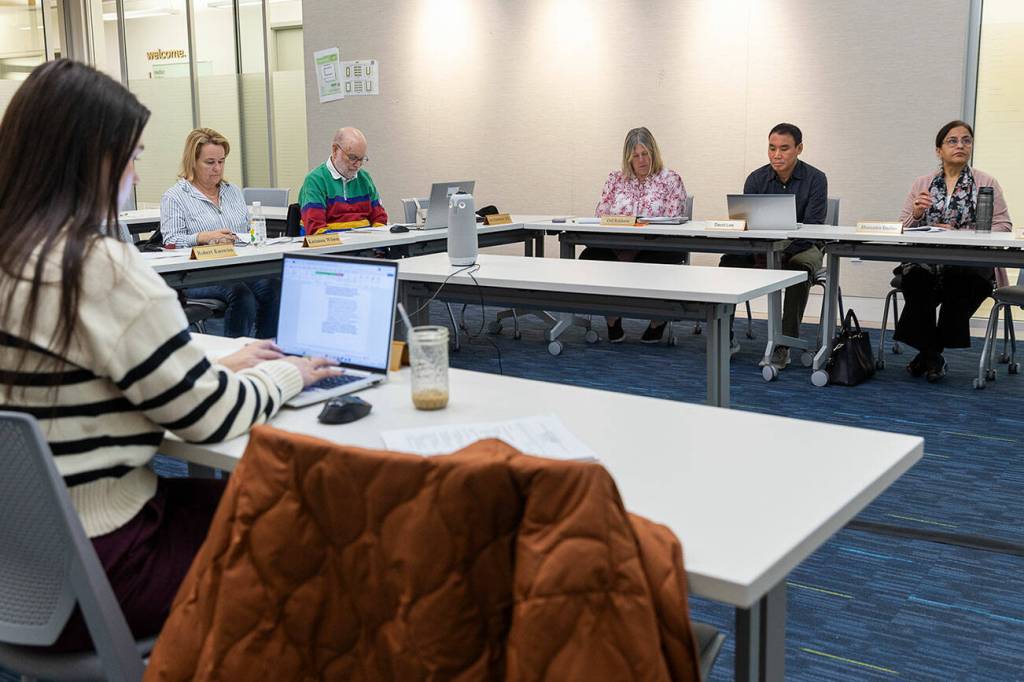


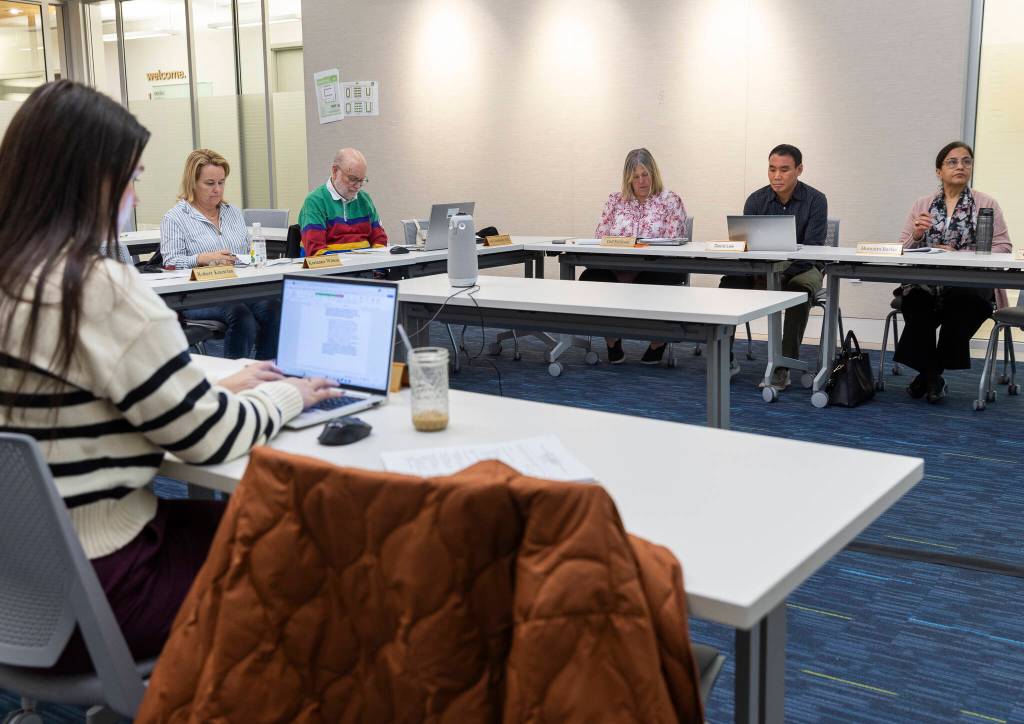




LYNNWOOD — The Verdant Health Commission, known for funding health organizations and food banks in south Snohomish County, is increasing the size of its grants by half a million dollars in 2026 because uncertain economic times are causing more people to ask for help.
The commission’s plan for next year calls for $6.5 million in grants, up $500,000 from 2025.
“More people are falling through the cracks, whether it’s food or access to health care or dental care,” said Karianna Wilson, the president of Verdant’s board.
Verdant is a funding powerhouse. It has $65 million in reserves and receives $11.2 million in annual rent from Swedish Health Systems, the operator of Swedish Hospital-Edmonds.
And while Verdant’s grants next year will be 8.3% greater than in 2025, allocations are not at an all-time high. The commission gave as much as $11.4 million to community organizations during the height of the COVID-19 pandemic, according to Verdant spokesperson David Lee.
In total, Verdant said it has given more than $93.5 million in funding to community organizations since 2011.
Verdant has developed its reserves and can fund nonprofit organizations due to its unique arrangement with Swedish Health Services.
It all has to do with the demise of Stevens Memorial Hospital, a public hospital in south Snohomish County that had been in operation for 46 years.
In 2010, Swedish agreed to take over Stevens, operating out of its existing hospital facility in Edmonds. As part of the deal, Swedish agreed to pay an annual rental fee of $7.2 million to Verdant, plus a three percent increase each year.
Verdant had been called Public Hospital District No. 2, Snohomish County, when it was running Stevens. District board members renamed it Verdant at the time of the switch to Swedish taking over operations of the hospital.
The yearly rental fee Swedish pays has now risen $11.2 million. Verdant also collects a tax levy from property owners in South County. That amounts to an annual tax levy of $0.05 per thousand assessed value, said Lee. In 2026, he said, Verdant anticipates around $2.7 million from the tax levy.
The increase in funding to community organizations next year comes at a time of transition for Verdant.
Gone are the free healthy cooking demonstrations that included programs such as Cooking Small Bites with Mocktails for a crowd and Pizza-Making for Teenagers.
The demo kitchen is part of Verdant’s 9,000-square-foot Community Wellness Center at 4710 196th St. SW in Lynnwood. The building also houses space for Verdant’s nine staff members and a conference room for Verdant board meetings.
The last cooking demo, “Healthy Ways To Feed Your Gut,” was on March 26.
“Two years ago, we had contracts with dietitians. We had contracts with Zumba instructors that we were funding,” Wilson said.
The cooking demonstrations had once been frequent. Verdant officials said at a January 2024 board meeting that 80 demos were held the previous year.
Wilson said that the remaining programs, such as nutrition classes, will be phased out by the end of 2025. However, partner organizations can use the Wellness Center facilities to host cooking demonstrations or exercise classes at no cost.
Verdant had much broader funding guidelines in the past. Back in 2015, it gave a $2.5 million grant to install artificial turf at the Edmonds-Woodway High School. Verdant board members stated that replacing the grass field, which sometimes got slippery after the rain, would promote physical fitness for the community.
Swim lessons for children and bicycle safety programs that were given money up to 2023 are also no longer being funded, the Verdant’s website shows.
Wilson said the board decided it needed to focus grants on critical areas that benefit people in need.
“We have three strategic priorities,” Wilson said. “So that’s food security, health care access and adolescent and childhood mental health. It’s those three, period.”
Wilson said those priorities were approved in January 2025 after the board concluded a strategic review to determine where the greatest needs were in Southern Snohomish County.
She said the board started asking itself whether it should be funding things, such as Verdant’s own nutrition program, which included the demo kitchen. The board president said those programs don’t fall into the new priorities and are duplicates of other offerings in the southern part of the County.
She said the increased grants are necessary for community organizations because they are being inundated with requests for services due to the shaky economy.
“Small nonprofits are struggling to take care of their community because of the downstream economic impacts,” Wilson said.
She said Verdant will fund 43 organizations in 2026. The programs fill key needs, such as a shower facility for the homeless on Highway 99 in Lynnwood, mental health programs for students in the Edmonds School District, and food banks, the board president said.
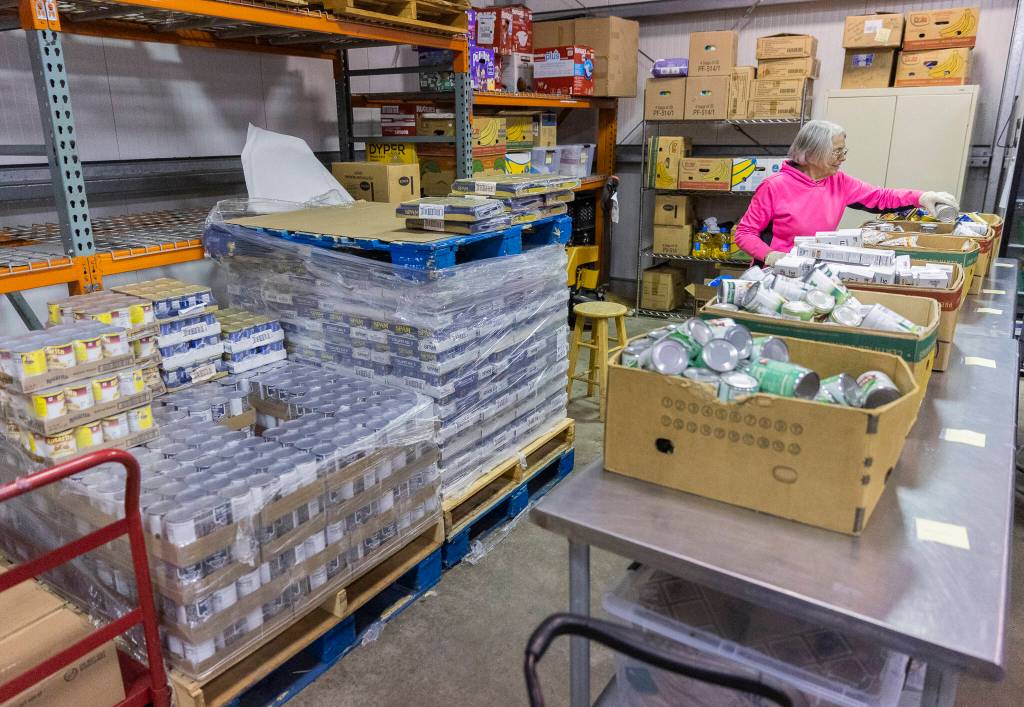
Food banks received the largest increase in funding in the Verdant 2026 budget, going to $850,000 from $661,000 this year.
Sarah Zabel, Verdant’s interim superintendent, said food banks in particular have been hit hard by the economic downturn.
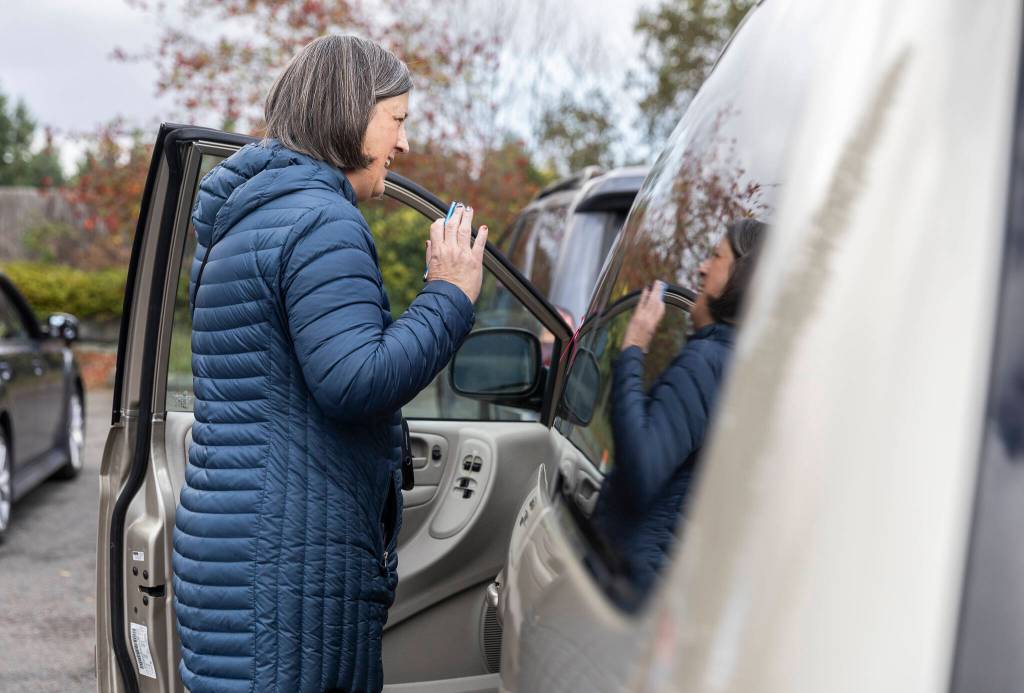
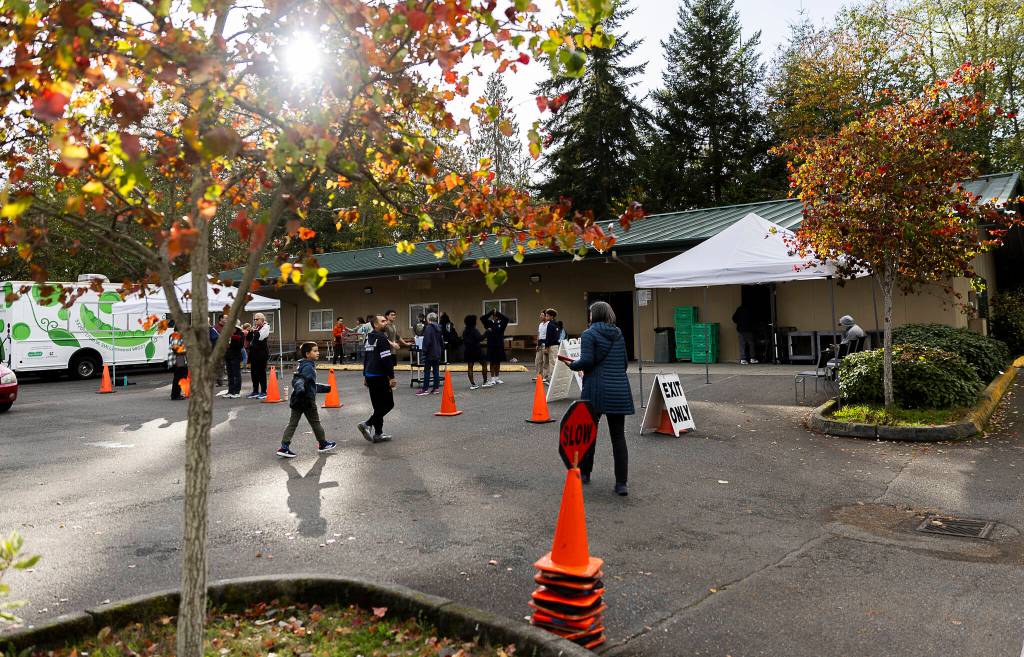
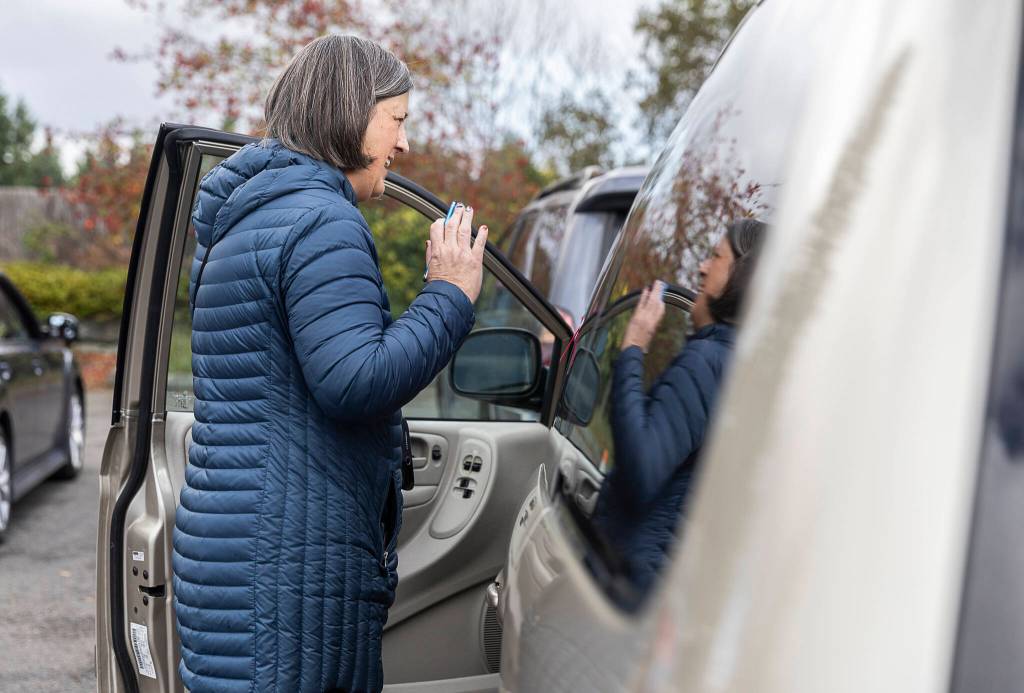
She knows firsthand. She volunteers at the Lynnwood Food Bank — one of several food banks in Snohomish County that receives funds from the Verdant.
“There are tremendous needs right now,” Zabel said. “When I started volunteering at the food bank in 2020, we saw about 100 families on a really busy day, and now on a really busy day, we see 450 families.”
Zabel said the increases in food prices from inflation have severely affected working individuals, many of whom work multiple jobs, just to afford the cost of food.
“You have a lot of people who are working, and it’s just hard to make ends meet, to pay the bills,” she said.
Zabel said other individuals have lost their jobs.
“They’re driving nice big cars, which seemed like a good idea when they had the big-dollar job,” she said.
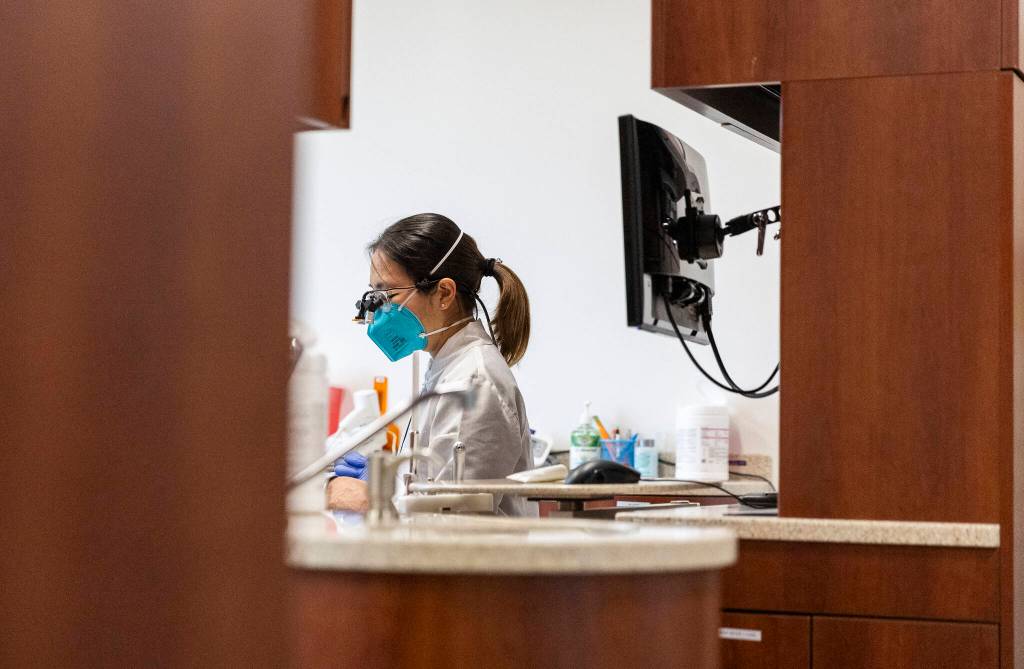
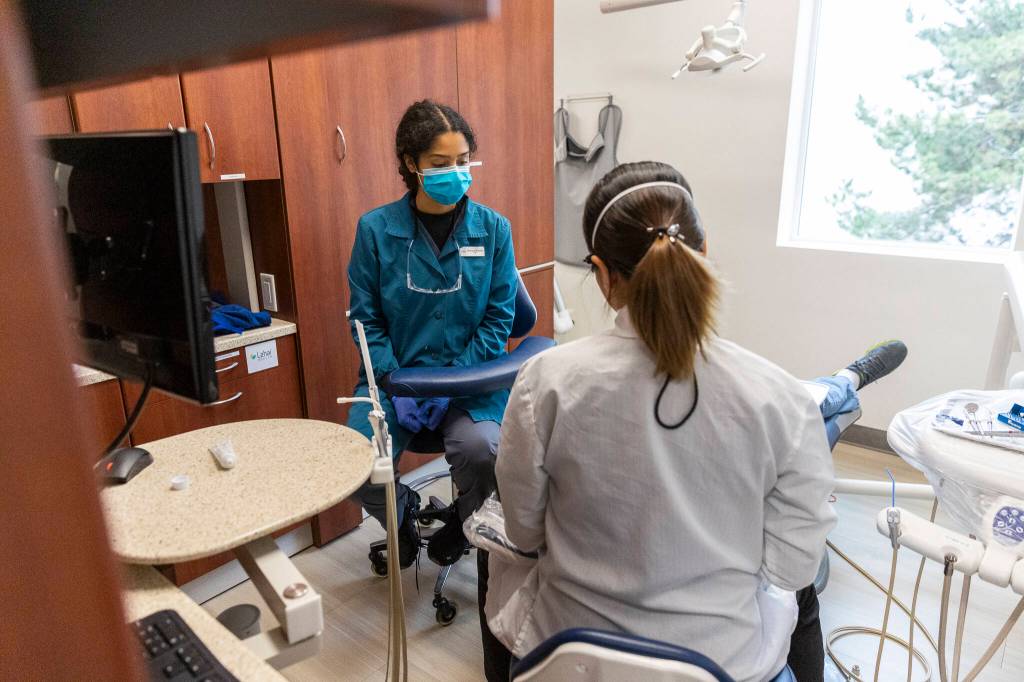
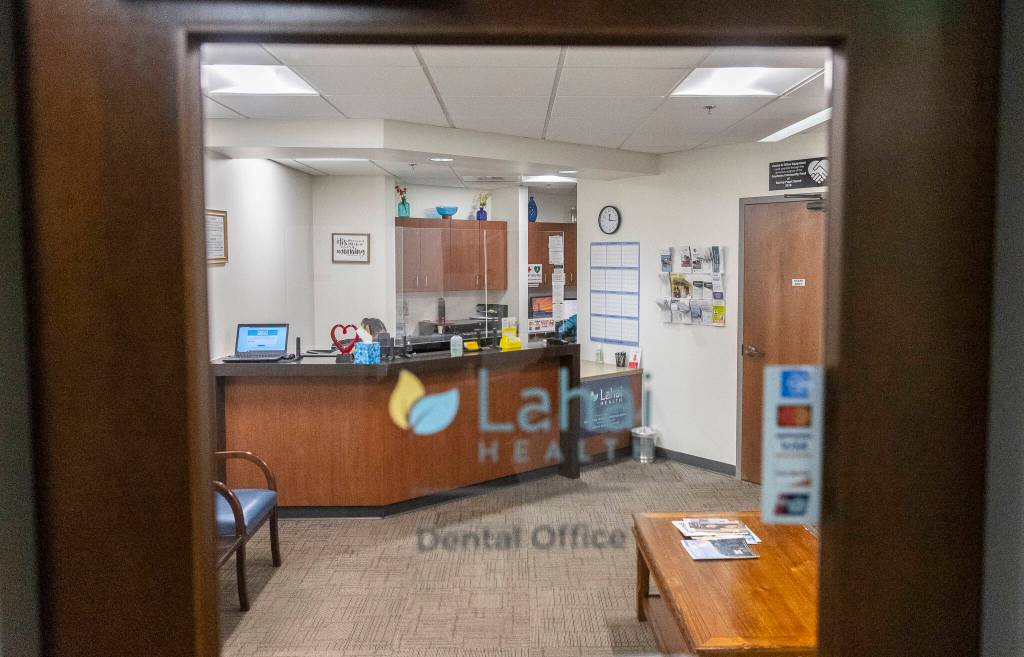
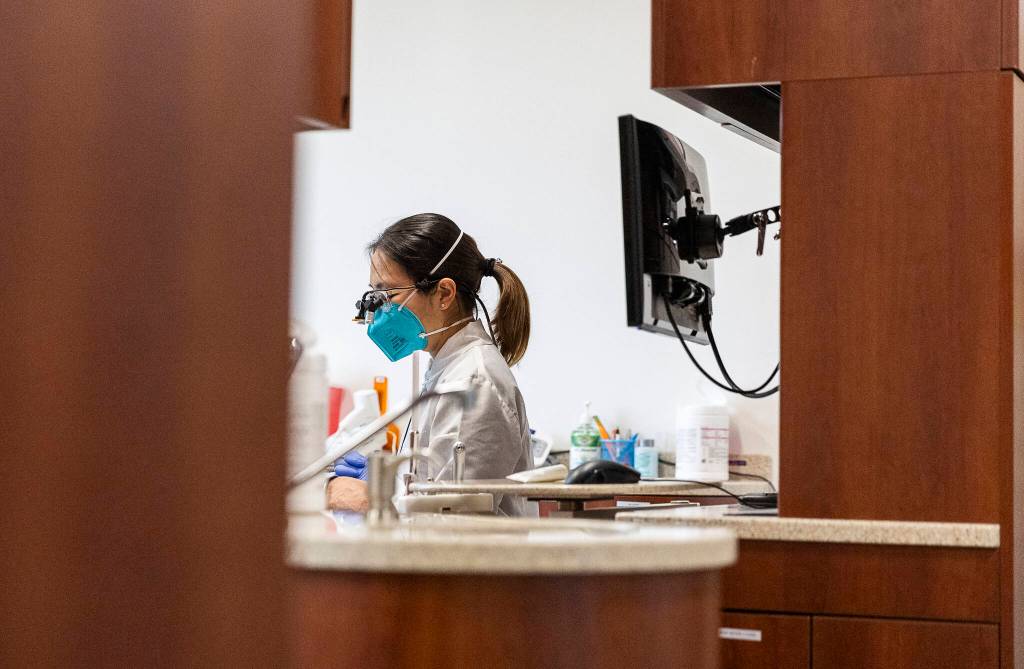
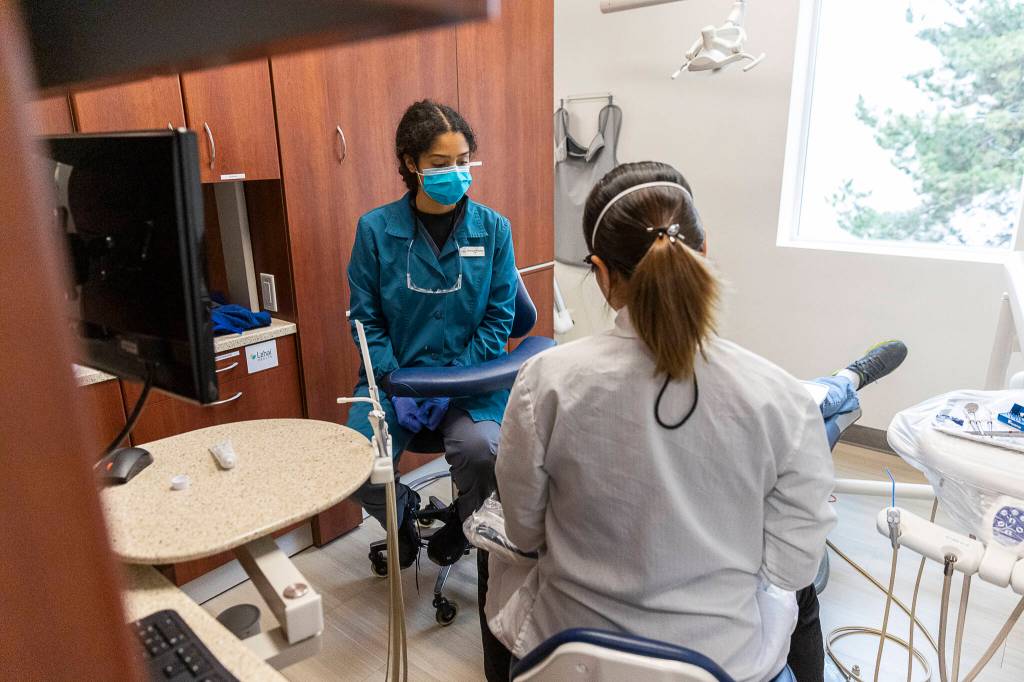
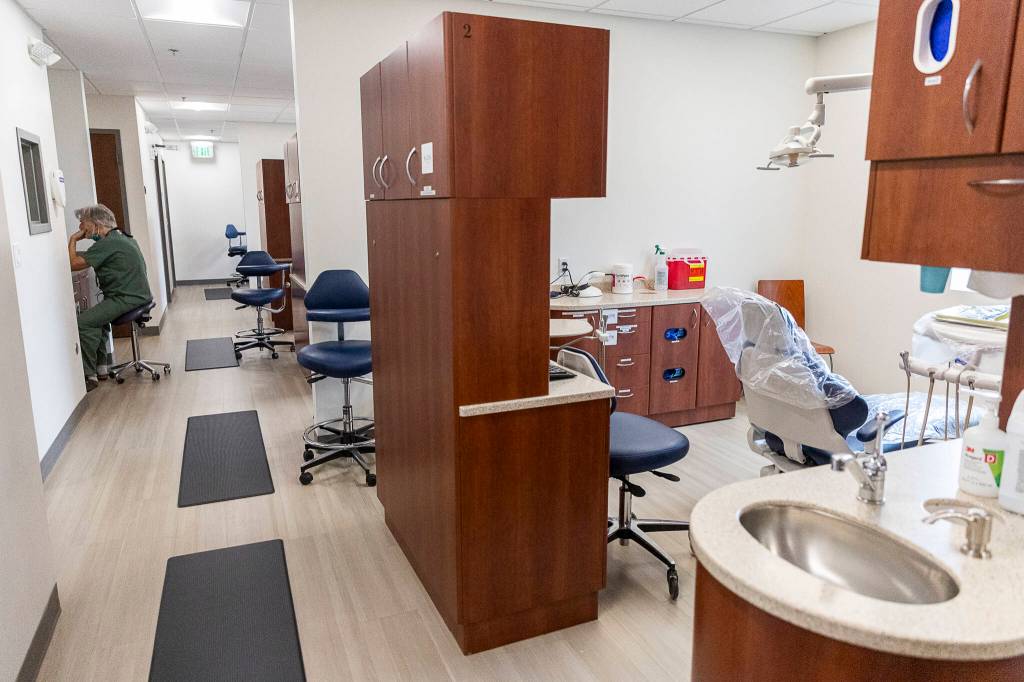
Medical and dental provider Lahai Health is using funds from Verdant to serve 1,500 clients with medical and dental services, up 250 from last year, said executive director David Eller.
He said inflation, particularly for food, has meant people can’t afford medical visits.
“People have prioritized food over health care,” he said.
Verdant grants to Lahai Health will be $670,000 next year, up more than $70,000 from 2025, according to commission records.
Eller said those funds amount to around one-third of the Lahai Health budget for Southern Snohomish County.
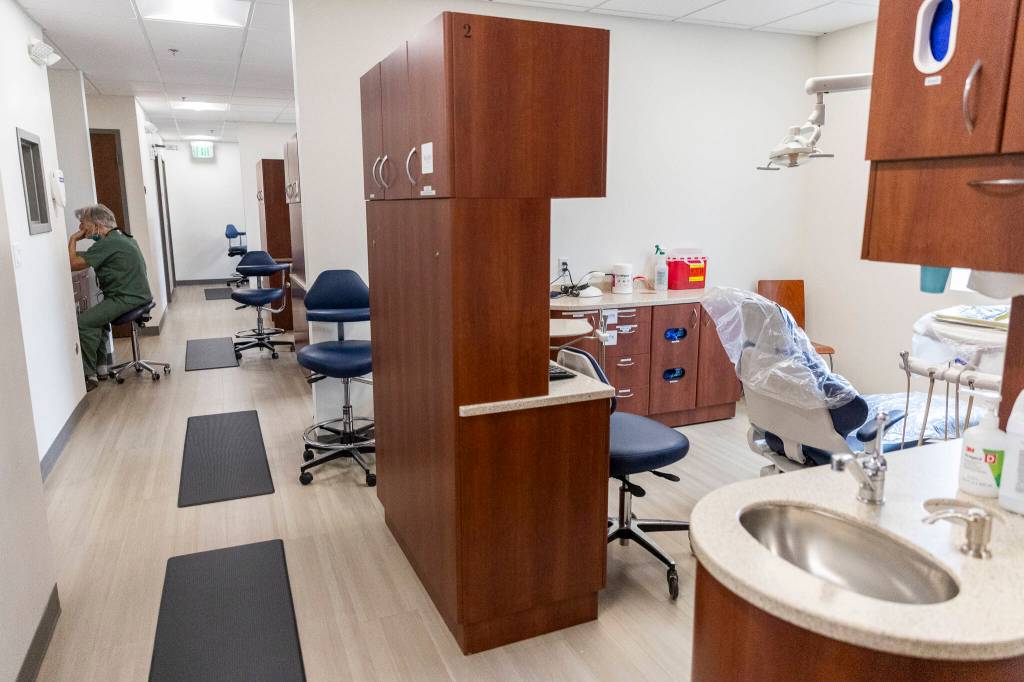
“Without the funds, we would have to close the dental clinic,” he said.
Eller said Lahai Health can’t meet the need for services because the list of clients wanting services continues to grow. He said medical services still have a two-month waiting list and dental services a six-month wait — the same as 2024.
Verdant would have the ability to fund community programs to a greater extent than its new $6.5 million allocation if it decided to use up some of its $65 million in reserves.
Zabel said the board is constantly looking at what the right amount is to allocate to community programs.
But she said that the hospital district needs to be cautious about spending its reserves in case Swedish terminates its lease at the end of the contract with Verdant in 2040.
“There is an intentional effort on the part of commissioners to build reserves so that at the end of the lease, if Swedish would choose not to continue with it, there would be funds to be able to make sure there’s still a hospital able to operate in Southern Snohomish County,” she said.
Verdant spokesperson Lee added that Verdant’s relationship with Swedish has been, overall, very positive.
“However, the health care environment is complex, and it is not unheard of for an affiliation to come to an end at the end of a term or before,” he said.
In a filing with the Washington Department of Health, Swedish Health Services said it lost $73 million in 2024 running the Edmonds hospital.
Swedish spokesperson Ed Boyle said the Edmonds hospital faces a “confluence of pressures,” including inflation-driven increases in medical supplies and pharmaceuticals and denied payments from commercial insurers. He added that the hospital is also dealing with cuts and taxes enacted by the Washington state legislature in response to a state budget deficit.
But he said, “We are committed to continued collaboration with Verdant to address these challenges and remain a sustainable health care resource for the communities we mutually serve into the future.”
Lee said 70% of the revenue Verdant receives yearly is used to fund community programs, while 30% is used for administrative costs, minus a little over $2 million a year that is put in reserves.
Reserves have grown to $65 million because the funds are invested, Lee said. He also said Stevens Hospital had an $11-million-dollar reserve and that was transferred to Verdant after the closure of the public hospital.
Financial concerns at Stevens Memorial ended its decades-long run as a public hospital, Zabel said.
She said Stevens had been losing money for many years, and there was real concern among the [hospital] board whether it could be saved financially because you can’t lose money forever as a hospital.
Stevens hired a consulting firm to advise on a turnaround effort, Zabel said, and the hospital started earning a slight profit before the decision to turn it over to Swedish in 2010.
Ultimately, Zabel, who was vice-president and chief planning officer for Stevens, said the future looked difficult for a single-hospital entity that could not take advantage of the cost savings that could be achieved by a larger hospital system like Swedish.
Zabel, who has also worked at Swedish in Edmonds in an executive capacity, joined Verdant in September after the resignation of Superintendent Lisa Edwards the month before.
Edwards said she was grateful for her five-year tenure at Verdant but left to start her own consulting business.
Zabel said she is not interested in the job full-time because she is on the path toward retirement.
She said Verdant is conducting a national search for a new superintendent.
Verdant is one of 57 public hospital districts in Washington, according to the Association of Washington Public Hospital Districts. Of those, 40 operate hospitals while others provide services like emergency care, urgent care and nursing homes.
Zabel said Verdant is unique in that it derives its primary income not from providing patient services, but from renting out the former public hospital that is now Swedish.
Randy Diamond: 425-339-3097; randy.diamond@heraldnet.com.