Climate change poses challenges for reservoir management
Published 9:48 am Monday, January 26, 2026
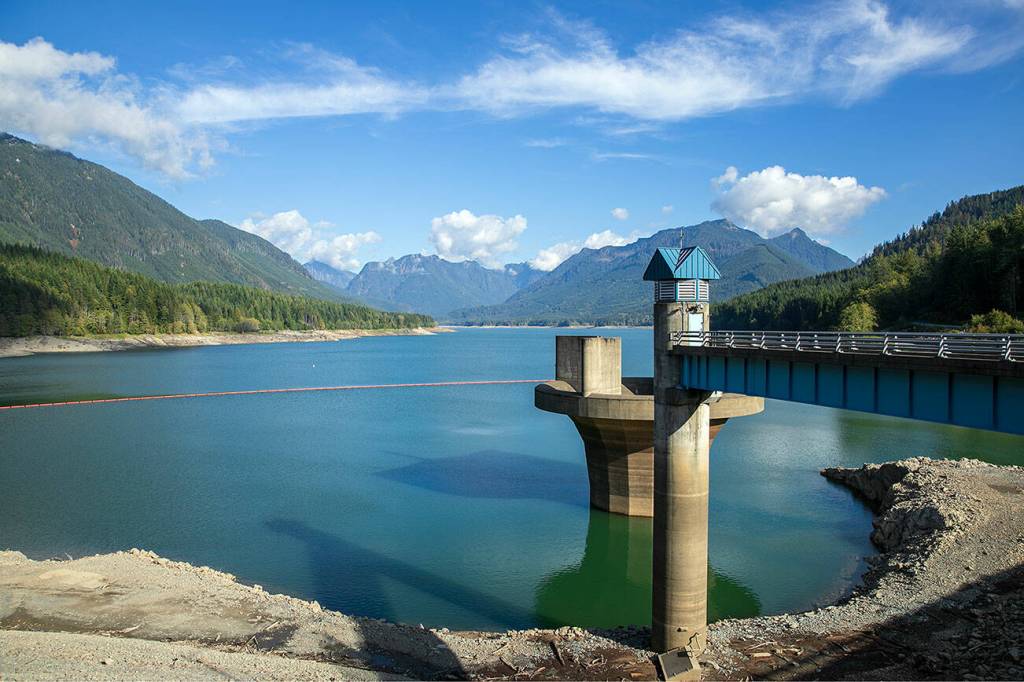
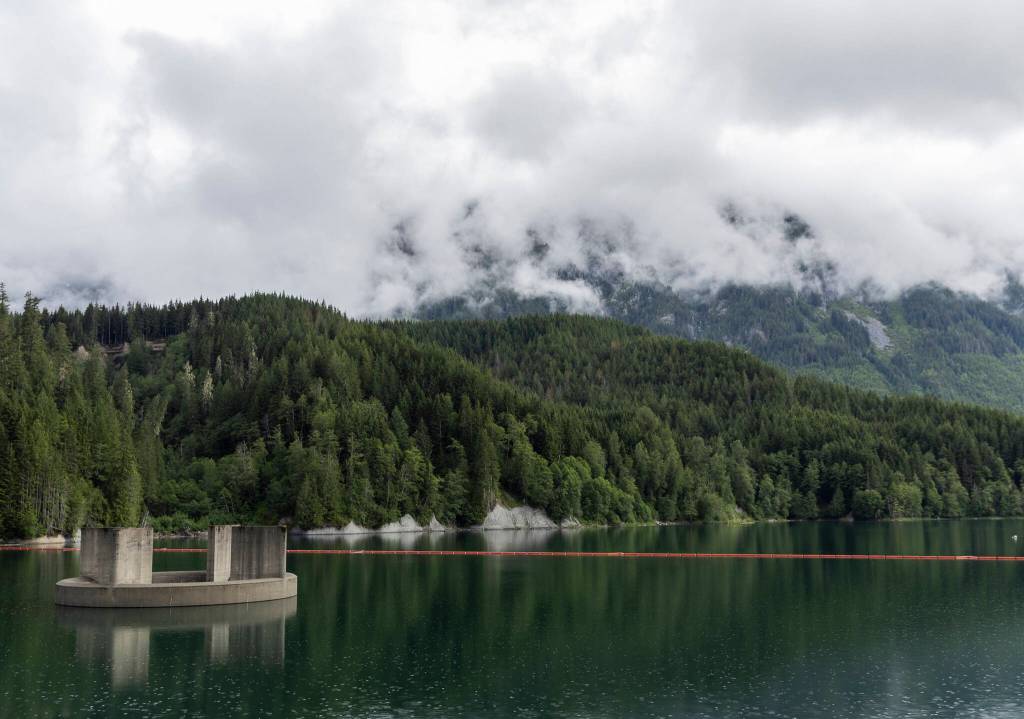


EVERETT — It used to be much easier to manage the county’s vital water supply that comes from Spada Lake, but changing weather patterns have made that job much trickier for the Snohomish Public Utility District.
While managing a reservoir with numerous functions has always required careful monitoring, forecasting and collaboration, climate change has narrowed the margins for error, several staff members said during a recent interview.
PUD employees emphasized that while climate change presents additional obstacles for utility districts, they believe Snohomish PUD has and continues to be at the forefront of utilizing available science and technology to provide customers with reliable, clean and affordable energy.
“We were one of the first electric utilities in the Pacific Northwest to explicitly include climate change modeling in our long-term plans. We started back in 2019 using climate change modeling from the University of Washington,” said Garrison Marr, the PUD’s power supply manager. “We’ve been tracking, thinking about our customers.”
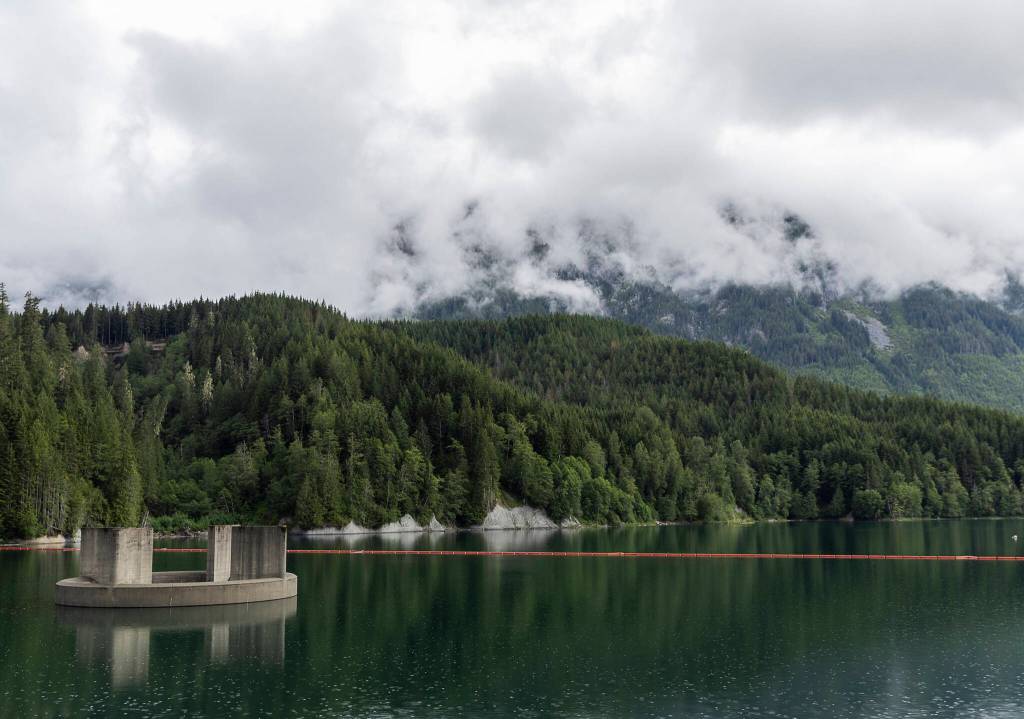
Culmback Dam, which holds back the Sultan River and creates Spada Lake, was built in 1965.
Like dams built across the western United States in the 20th century, the idea was to harness renewable energy and more easily manage the rivers that define the region.
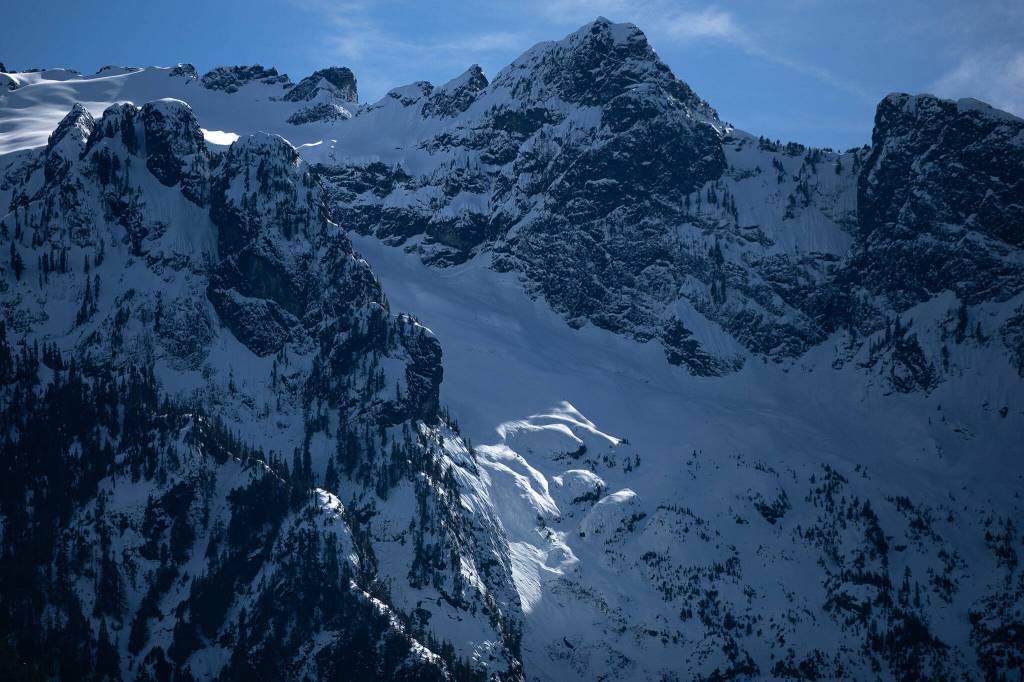
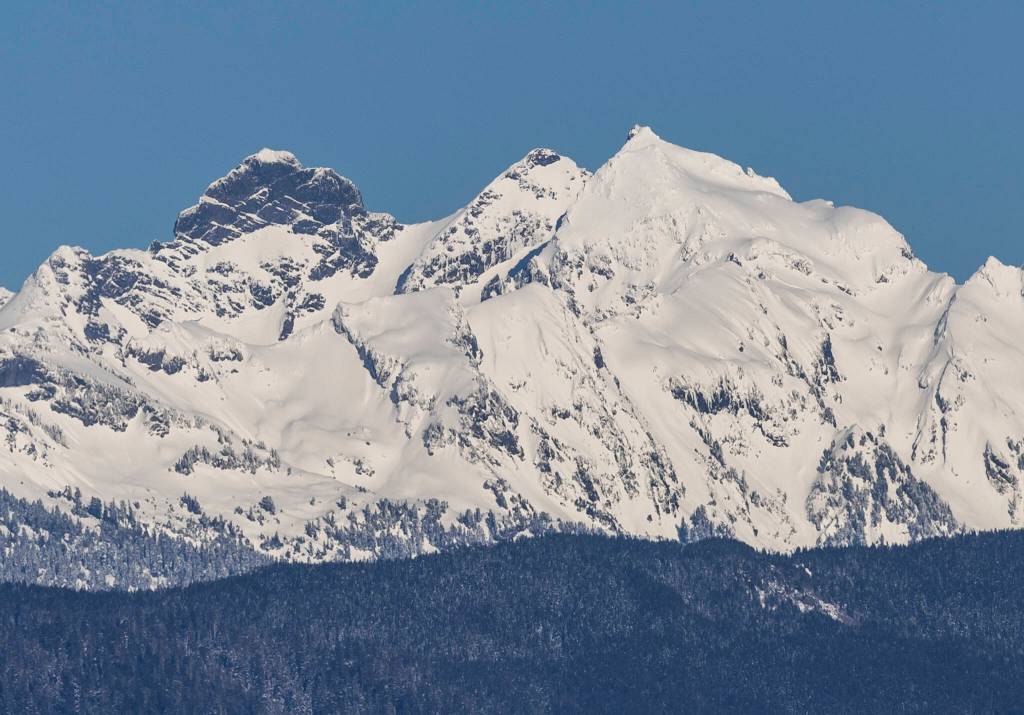
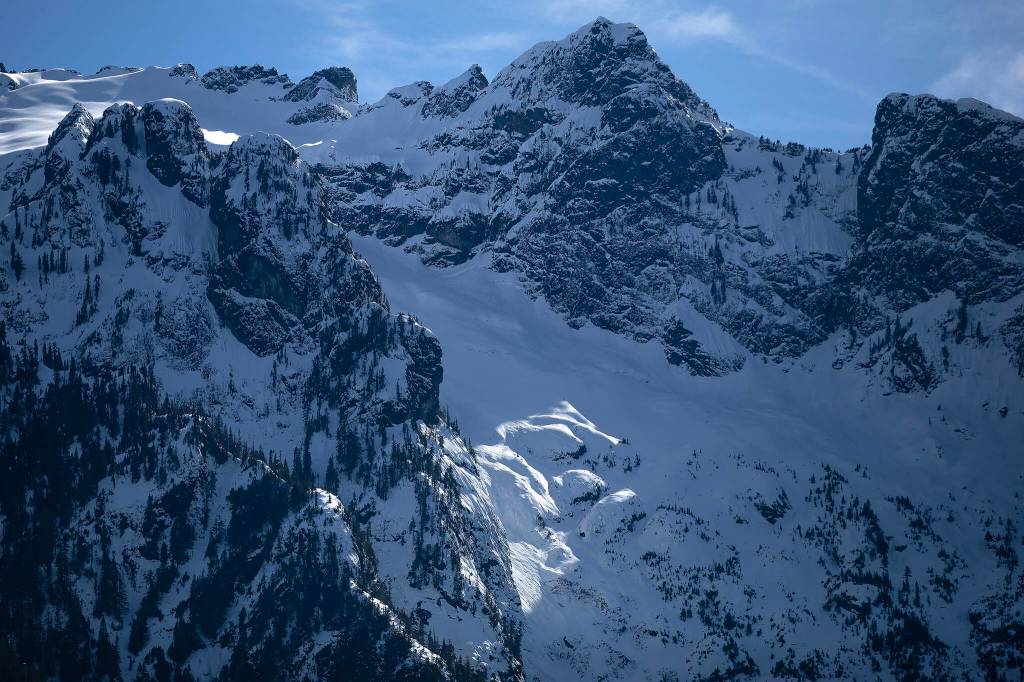
In an ideal year, winter snowpack accumulates in the mountains, serving as a water storage reservoir that slowly melts in the late spring and summer months, trickling into the reservoir where utility staff can direct it through the dam to generate electricity.
Snowpack runoff would counteract the slowing winter and early springtime rains and keep the basin full enough until fall rains returned.
The drizzling fall, winter and early spring rains known to Pacific Northwesteners would steadily replenish the reservoir during those months, allowing utility districts to routinely run the dam with the reassurance that more water would be on the way.
But climate change has increasingly thrown the natural cycle that former engineers designed around for a loop.
December 2025 was on average 6.4 degrees warmer than temperatures recorded between 1991 and 2020, research from the University of Washington found.
The warmer temperatures in the winter and spring mean more precipitation falls as rain and immediately flows into reservoirs, and precipitation that falls as snow in the mountains melts off sooner.
“Since about the 1950s, there’s been about a 25% decline in our annual seasonal snow pack,” said University of Washington Deputy State Climatologist Karin Bumbaco.
Additionally, winter rains now sometimes come as intense atmospheric rivers like the December event, with large amounts of water falling within days instead of months.
And with precipitation falling as rain instead of snow, there’s no stored water to come down from the mountains during the dry months.
“We saw historically low inflows in Spada Lake this summer, and we saw historically high inflows for December into Spada Lake in December when we had the flooding,” said Spahr, the PUD’s water generation manager. “Both of those things make it more difficult as a water manager.”
Winter flooding forces managers to weigh the benefit of holding water for use during summer months against the risk of reaching spillways during peak flood moments or, in more extreme cases, overtopping the dam and potentially having infrastructure fail.
Spillways are built-in safety measures, much like the extra drain at the top of bathroom tubs or sinks, allowing water to flow out when it rises to a certain height to protect the dam.
Spada Lake rose 15 feet in two days during the December floods, reaching the spillway on Dec. 10.
“I was joking with a colleague, if you’ve ever seen the movie Austin Powers, there’s this scene where there’s this steamroller coming at this person, and he’s telling him, ‘Get out of the way,’” Spahr said. “A spill is a little bit like that. We start to get these forecasts, and we’re like, oh, this, this could be a problem, but we have some appreciable time to react and do certain things.”
Snohomish PUD staff continuously monitored the dam, closing the dam outlet valves to try to limit further flooding the town of Sultan and running the Jackson Hydroelectric Project located 7 miles downstream of Culmback at full capacity.
The spill safely happened, working as intended to protect the dam.
But atmospheric rivers and associated flooding are expected to become more frequent.
By the 2080s, scientists predict atmospheric rivers to become 22% more intense, meaning 22% more rainfall, Bumbaco said. The number of days of atmospheric river events will also increase, she said, rising from two days a year historically to seven days a year.
This means more water will come in the winter, forcing reservoir managers’ hands to let the precious resource flow through the dam to avoid flooding risks at the cost of wondering how energy will be generated during dry summer months.
Pushing forward, the PUD continues to explore and expand options for clean, reliable energy, including a signed letter of intent for a solar project in Eastern Washington, as well as developing plans for local solar projects and customer-owned solar programs.
To learn more about Snohomish PUD’s climate change policies, visit https://www.snopud.com/community-environment/environmental-commitment/climate-change/.
Eliza Aronson: 425-339-3434; eliza.aronson@heraldnet.com; X: @ElizaAronson.
Eliza’s stories are supported by the Herald’s Environmental and Climate Reporting Fund.