Whooping cough having an ‘epidemic year,’ Snohomish County doctor warns
Published 5:00 pm Thursday, May 30, 2024


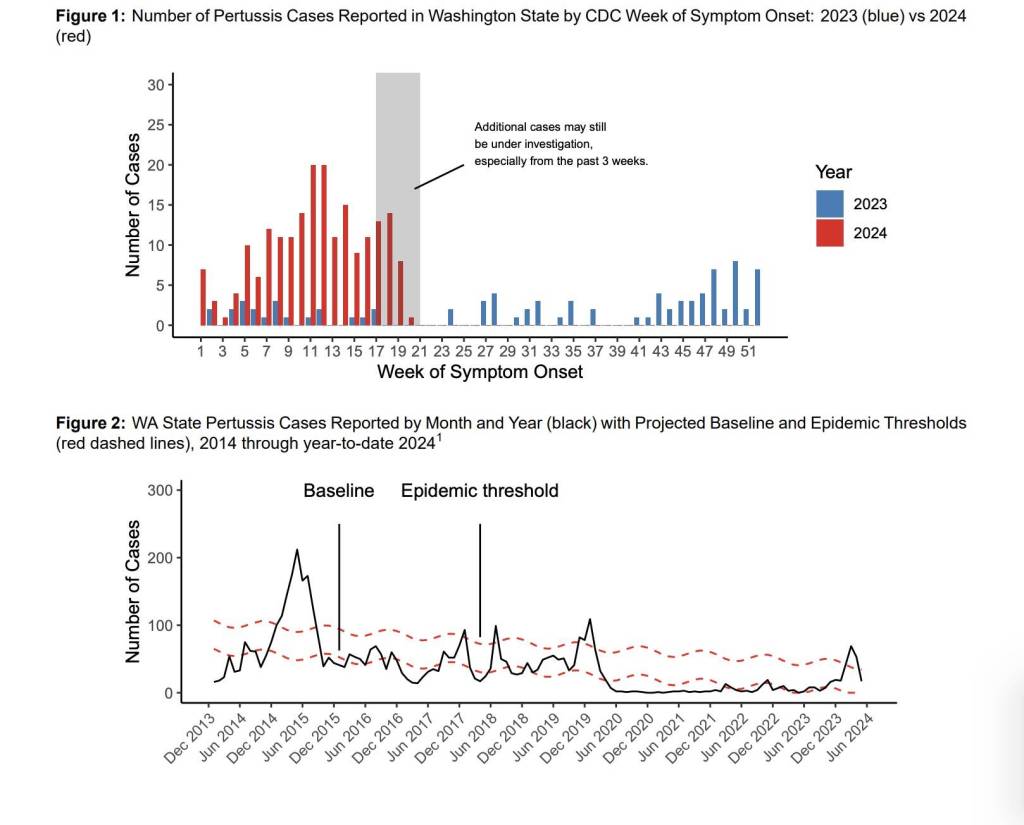


EVERETT — Whooping cough cases in Snohomish County have already tripled the total number from last year, and the highly contagious respiratory infection could continue to spread, health officials warn.
So far this year, Snohomish County has reported 10 confirmed or probable cases of pertussis, the bacterial illness commonly known as “whooping cough.” From 2021 to 2023, the county reported no more than three cases each year. The county has not reported any pertussis-related deaths this year.
Symptoms are most common among school-age children and include a runny nose, sneezing and coughing. The illness is spread person-to-person through respiratory droplets. Over two weeks, the infection can cause coughing fits or spasms with vomiting or a “whooping” sound.
“We are likely entering an epidemic year for pertussis,” County Health Officer Dr. James Lewis said in a press release Thursday. “Many folks have fallen behind on immunizations and that, combined with the lack of pertussis circulating in recent years, has likely decreased overall immunity within the broader community.”
Six of the 10 cases have been among children under 5 years old. This week, county health workers have responded to multiple cases at an Edmonds high school. Staff, students and families have been notified, according to the health department.
The trend is statewide: Washington has reported 200 cases this year. Last year, the state had only reported 24 by mid-May.
Anyone can contract pertussis, but it’s especially dangerous for infants. Babies may not cough, but instead have trouble breathing. Pertussis can cause pneumonia, seizures, brain damage and death in infants and children.
The health department recommended residents contact their doctor if they are exposed to the infection and develop symptoms, or if their symptoms worsen over two weeks.
Children with pertussis should stay home from school for five days of antibiotic treatment, the health department advised.
Lewis said the county “occasionally” saw this number of cases before the pandemic, but this year’s spike could be worse than before. The infection spreads easily since most older children and adults experience a mild illness and don’t stay home.
In 2012, Snohomish County was ground zero for a statewide pertussis epidemic.
Most children receive multiple doses of the diphtheria, tetanus and pertussis (DTaP) vaccine between ages 2 months and 6 years. Since infants can’t be innoculated until they’re 2 months old, their best chance against the illness is for their caretakers to be vaccinated.
Older children and adults who are not protected can still get a version of the vaccine called Tdap. Those who are pregnant should receive the vaccine between weeks 27 and 36 of pregnancy, according to the health department.
Residents can access their immunization records though the state database.
Sydney Jackson: 425-339-3430; sydney.jackson@heraldnet.com; Twitter: @_sydneyajackson.