Comment: Odds are your neighbors worry about climate change, too
Published 1:30 am Monday, July 3, 2023
By Mark Gongloff / Bloomberg Opinion
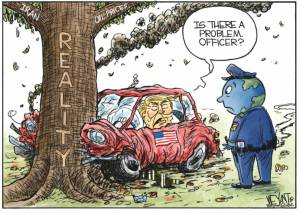
The first step in solving a problem is recognizing you have one. And indeed, most Americans say they know we’re facing a monumental climate threat. They just need to be convinced that other people tend to feel exactly the same way and that they have the power to do something about it.
With every disaster-filled year, it becomes easier to convince people that the climate is turning against them. As we speak, tens of millions of Americans from Texas to Florida are suffering under relentless record heat and humidity. After years of being wracked by climate-fueled disasters from heat waves to hurricanes, solid majorities of voters in even reliably conservative Texas and Florida believe climate change is real and requires more action, according to recent polls.
The results are consistent with public opinion across the U.S., including in states that haven’t been quite as besieged by catastrophe. In the relatively cool swing state of Michigan, for example, a poll this spring by advocacy group Climate Power found that nearly two-thirds of registered voters agree that climate change is real and that something should be done about it.
Recent events presumably reinforced those views. In the past few days, Michigan and neighboring states have been choking on smoke from record-smashing wildfires in Canada. The air quality in Detroit as of this writing is “very unhealthy,” according to the EPA.
Individual heat waves and wildfires aren’t necessarily caused by climate change, but a warming planet makes them more likely and more intense. These repercussions will only get worse as we burn more fossil fuels and spew more carbon into the atmosphere.
The Sun Belt states most at risk of climate catastrophe have also been the country’s fastest-growing areas for the past several years. People have come seeking jobs, affordable lifestyles or maybe just an end to shoveling snow and having to talk to Democrats. Now natural disasters are making their lives more difficult and less affordable. Merely insuring a house in these states has become a challenge.
Despite these glaring issues, leaders in many of these states are still pushing fossil fuels and rejecting stronger efforts to slow emissions and fight further warming, their rhetoric dripping with denialism. In perhaps the most extreme example, politicians in Texas seem determined to end its status as a national leader in renewable energy; even as solar energy has helped carry the state through its latest heat wave without significant blackouts (knock on mesquite).
And because these voices are usually the loudest ones on TV and social media, it’s easy for everyone else to feel marginalized or ridiculous for worrying about climate change. A study last year found that, while at least 66 percent of Americans (similar to shares in Texas, Florida and Michigan) want to see more action to fight climate change, those same Americans believe support for such policies is actually closer to 40 percent. If you’re a Texan worried about climate change, then there’s a good chance your neighbor is, too, and you just don’t know it.
Maybe if more people understood they weren’t alone, they could find their voice to push for more change. Measures such as last year’s Inflation Reduction Act are a good start, but only that. This country still needs a faster exit plan for transitioning from fossil fuels to cleaner energy and the money to make it happen. Political will and consumer demand together can provide the impetus for such big, scary steps, whether in red states or blue ones. There’s strength in numbers.
Mark Gongloff is a Bloomberg Opinion editor and columnist covering climate change. A former managing editor of Fortune.com, he ran the HuffPost’s business and technology coverage and was a reporter and editor for the Wall Street Journal.