Comment: When war kills a friend and fellow reporter
Published 1:30 am Sunday, March 27, 2022
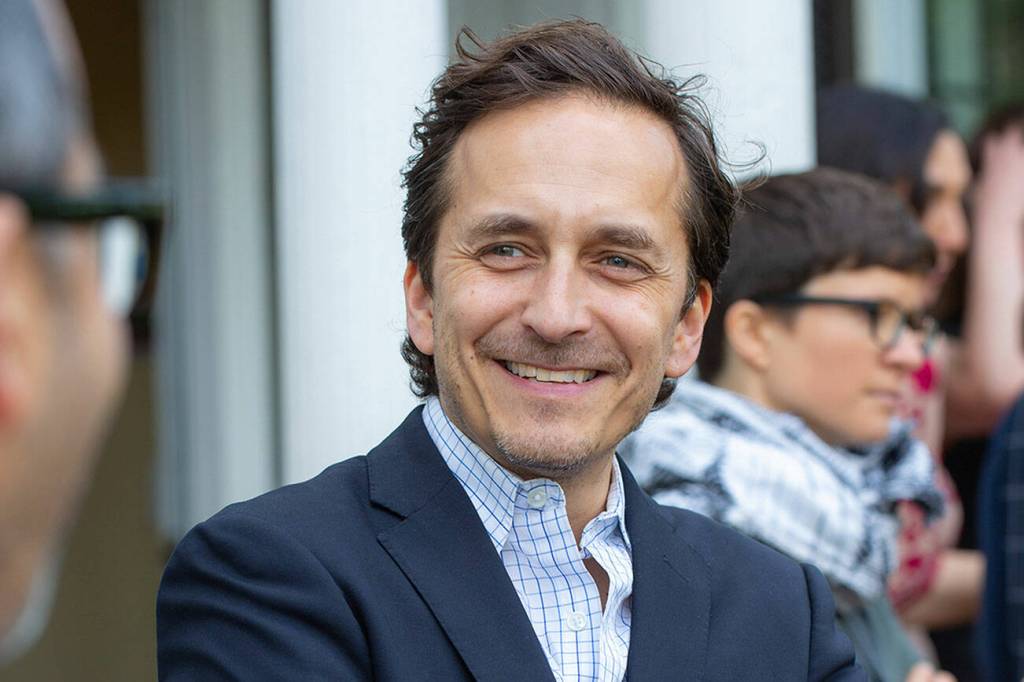
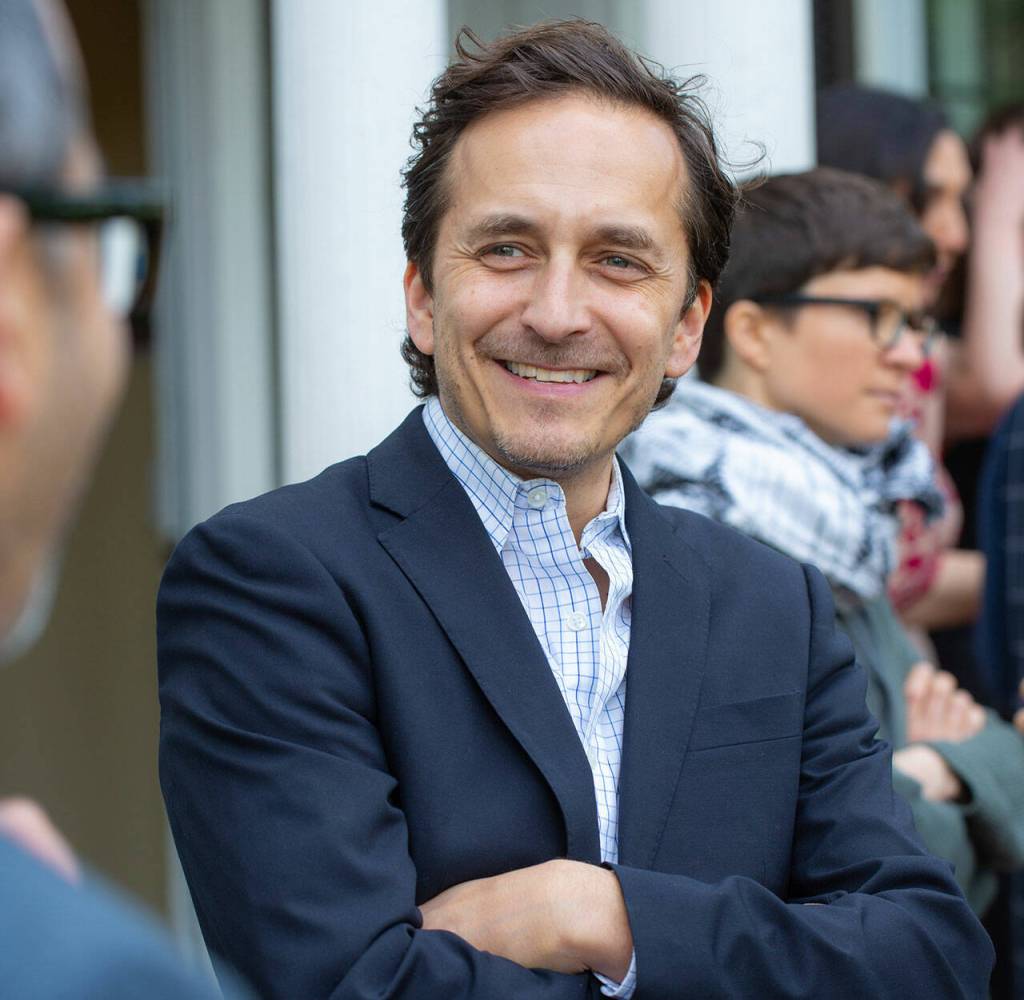
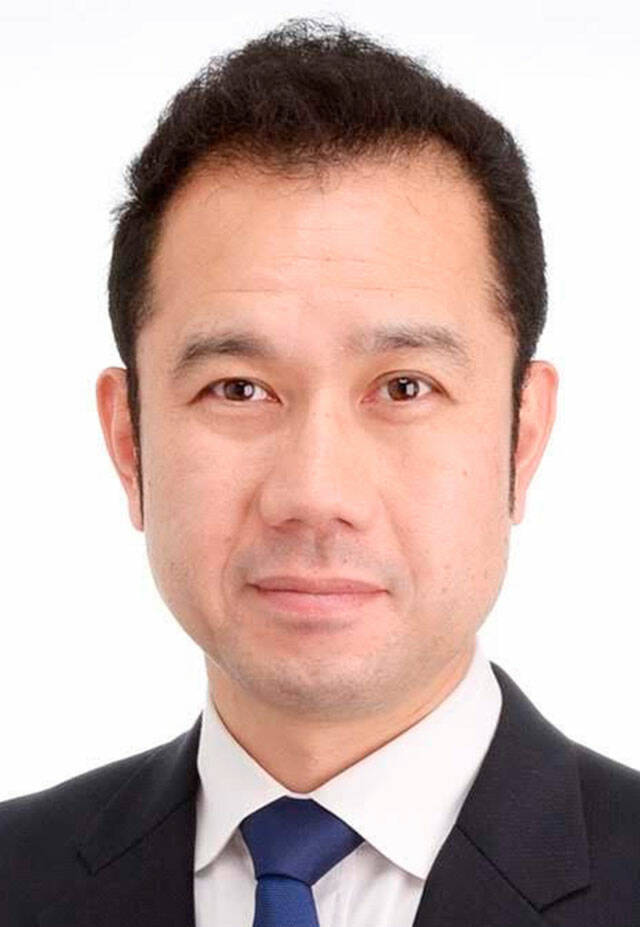
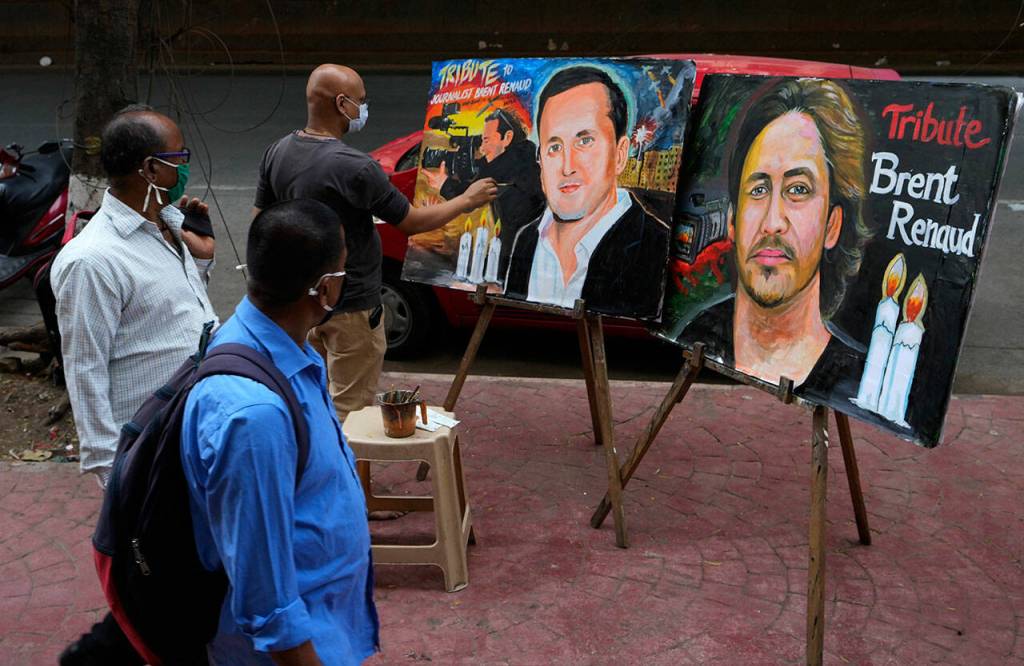


Editor’s note: Yoshiaki Nohara, who was a reporter for The Daily Herald from 2003 to 2009, was a Nieman Fellow at the Nieman Foundation for Journalism at Harvard in 2019; as was Brent Renaud, the American journalist and documentary filmmaker who was killed March 13 in Russia’s invasion of Ukraine. Nohara agreed to share his thoughts about his friendship with Renaud and about tragedy, grief and community with The Herald’s readers.
By Yoshiaki Nohara / For The Herald
Brent Renaud was killed in Ukraine. The world lost a great journalist and documentary filmmaker to a Russian bullet. I lost a dear friend.
Brent and I were in the 2019 class of Nieman Fellows at Harvard University. We studied side by side, shared meals and talked about family, friends and life.
That year’s class — journalists from all over the world with their affiliates and kids — became a family. The group’s intimacy and warmness reminded me of The Daily Herald’s newsroom, where I worked from 2003 to 2009 before becoming a Bloomberg News reporter in Tokyo.
Brent and I, both born in the 1970s far away from each other, shared rural roots; his in Arkansas playing baseball and mine in western Japan playing soccer. In Boston, he ran in his spare time. So did I. We never ran together, which I regret very much.
It’s such small realization, but such regrets have been wracking me endlessly and surely. It drives me crazy and almost numb that the death toll in Ukraine has been climbing nonstop. That’s what the war means for me right now.
I admired Brent’s work as a documentary filmmaker that gave a voice to the voiceless in ways that I had not seen before. He was so good that I forgot to be jealous.
I was just in awe. He was talented. I admired and liked him even more because of his character. Brent never bragged. He didn’t seem to care about his professional achievements or status. I saw no ego in him. He was tranquil.
Brent was the first person who befriended my wife when we got to Lippmann House, the home of the Nieman Foundation. In the kitchen, through which our little daughter and son ran over and over, Brent would stop them in a doorway asking for “the password,” the kind of simple interaction that children enjoy. Brent was good with kids.
In the classroom, Brent didn’t say much, but his presence carried weight. He spent more time listening to me and learning about me than talking about himself. I’m sure the other classmates felt the same way about him, and that’s how he helped make our group intimate.
He was a leader. Brent had a hard gaze that made me feel like he could look past whatever barriers or pretense I could try to hide behind. It was like I didn’t have a choice but to be my true self in front of him. But I also felt warmness in his eyes that assured me he didn’t judge me, but accepted me.
Once I teased him saying, “You are so cool. That’s not fair.” He didn’t take my objection seriously. I’m not surprised that he was able to get so close to the people in his films living under dire circumstances in some of the world’s most dangerous places. He didn’t judge them. He cared about them. He knew their stories mattered. They trusted him.
Brent was killed March 13 in a suburb of Kyiv working on a documentary project about the global refugee crisis. His partner Juan Arredondo, also a 2019 Nieman, was injured. I learned about the tragedy that night in Tokyo. Sadness and anger have been taking turns within myself. I’m a journalist, but there have been moments when I had to turn off screens and stay away from Twitter and new stories.
Still, I’ve been trying hard not to become numb and view the dead just as numbers, which was exactly what Brent was against. He was there to bear witness and let us see.
A tragedy also brings the best out of people. People in Snohomish County taught me that when I was a reporter there. I will never forget how neighbors brought homemade soups to a Monroe family that had to run their dairy farm the day after their son died in a hunting accident. I will never forget how friends gathered around a mother soon after her teenage son was killed in a crash on the U.S. 2. Those remain among the hardest and most memorable stories I’ve covered during my nearly two decades of being a reporter.
Now I’m seeing a similar beacon of hope in the way that 2019 Nieman Fellows all over the world are coming together to offer support for Brent’s family and Juan. But I don’t pretend that’s all I’m feeling.
I’ve been experiencing a humbling truth: It hurts more losing my own friend than talking to others who lost their loved ones. The pain and void are becoming even bigger and deeper for me as news coverage about Brent dwindles. It just hurts.
I imagine that the war is affecting many Herald readers in one way or another. As they say, it’s a small world after all. And I imagine with conviction that their friends and neighbors are coming together as I witnessed as a reporter.
That gives me hope and will help me — when the time comes — to turn my negative feelings into compassion for others. Brent would like that. He wouldn’t have wanted to draw much attention to himself, instead keeping his focus on the stories of others.
Yoshiaka Nohara lives in Tokyo with his wife and two children. He is a writer for Bloomberg.