
Sponsored Content
A simple adjustment can change lives.
Published 6:00 am Monday, June 10, 2019
Words have more impact than we think. Consider the words you use regularly: How do you describe a person from another culture, someone who is aging, a person who experiences poverty? How about a child or adult with a disability?
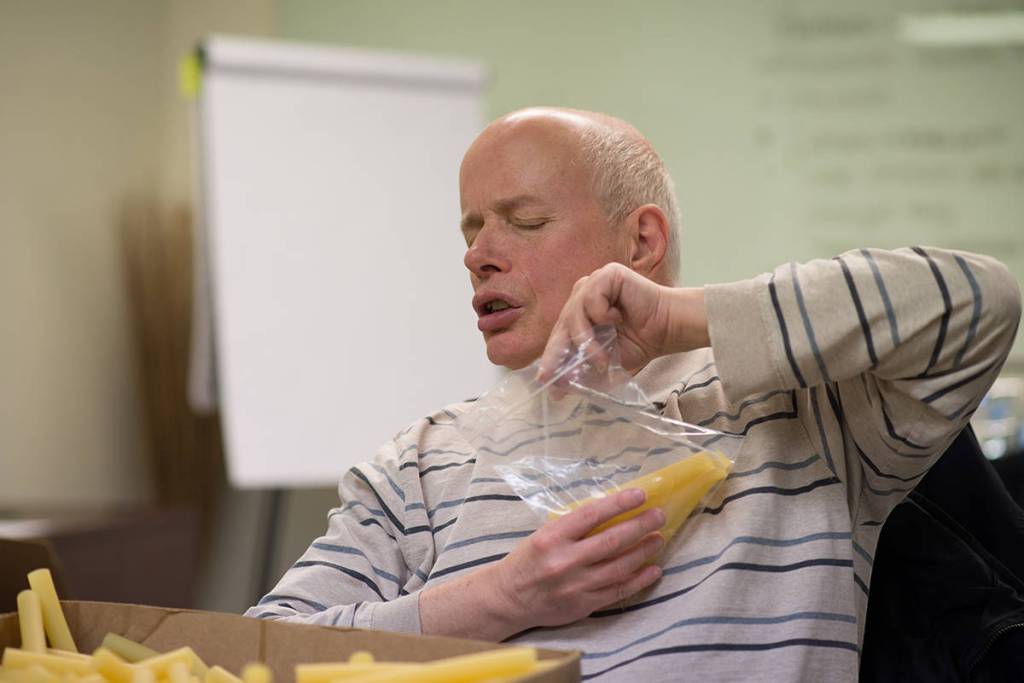
Meet Matt. Matt loves to sing. He enjoys singing to top-40 hits and the oldies. He has a great work ethic, excels at counting and quality control and listens to sports radio.
Matt is also blind. But being blind doesn’t define him. If anything defines him it’s his singing and his part-time job as a production worker at Innovative Salon Products where he’s responsible for quality control and packaging. Matt enjoys his job, where he’s included in a team environment and treated just like everyone else. As he should be.
Sherwood has been part of Matt’s life for decades. Sherwood helped Matt find his current job and previous jobs over the years. And there are many people just like Matt who have benefitted from Sherwood, whose philosophy is “Believing in Abilities.” Sherwood wants everyone in the community to believe in abilities too, focusing on the positive characteristics of people.
It starts with the words used to describe someone, says Lance Morehouse, Sherwood’s CEO. Is the person being described as handicapped? Or are they being described by their music skills, work ethic or love of comic books?
“Historically, people with disabilities have been considered second-class citizens,” Morehouse says. “We used to institutionalize people, keeping them away from society.”
Services and supports are now provided inclusively in the community, he says. “But society may still have this perception of people with disabilities as needing to be taken care of.”
The only way to overcome that view is to be respectful to people with disabilities and welcome them into the community. “People with disabilities are contributing members of our diverse communities,” Morehouse says.
Morehouse suggests the use of “Person First Language.” When someone with a disability is viewed as a person first, that fosters a positive attitude toward that person.
For example, when a person uses the word autistic as the first descriptor of someone, that sets that person apart from the beginning, Morehouse says. Using Person First Language would describe the person as someone who experiences autism. Or better yet, use the person’s first name before mentioning autism, or the fact the person is someone’s son or daughter.
“Respectful language makes our communities and workplaces more welcoming for everyone,” Morehouse says.
Sherwood was recently recognized by Snohomish County through a Resolution for over 60 years of service, working with people of varying abilities and their families to remove barriers so they can be contributing, independent members of their communities, like Matt.
But we need everyone to work together to make this happen, Morehouse says.
“Person First Language is an easy first step.”
For more information about what Sherwood does and how you can make a difference visit www.sherwoodcs.org.