‘Cloverfield’ films represent the worst trends in Hollywood
Published 1:30 am Sunday, February 11, 2018
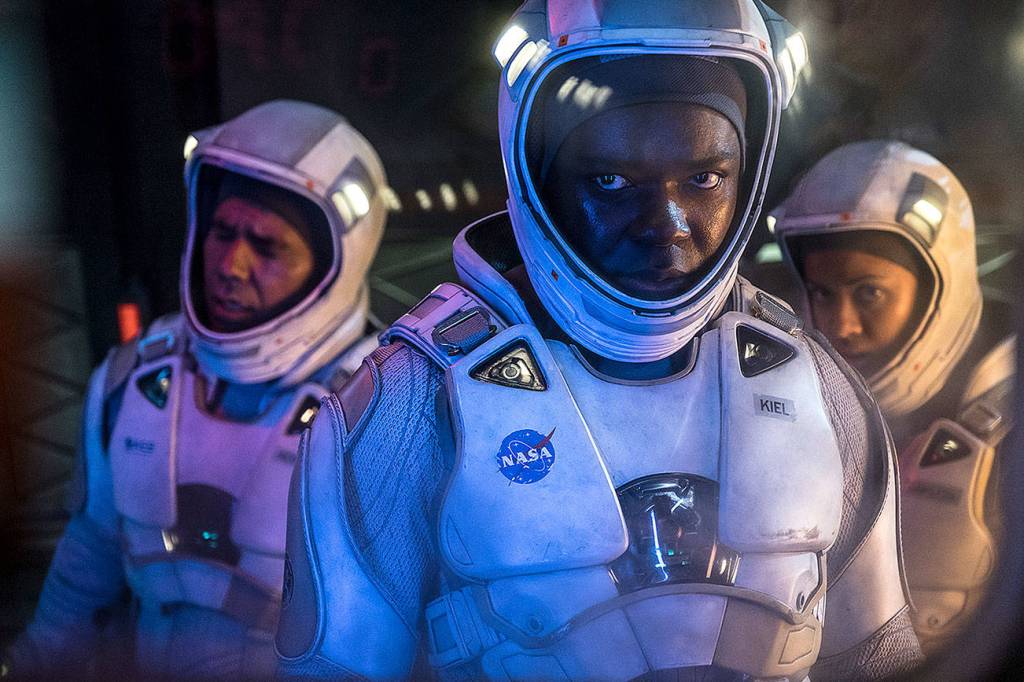



The biggest surprise during the Super Bowl wasn’t Philadelphia defeating New England despite Tom Brady throwing for more than 500 yards; we’ve seen weirder outcomes than that. And it wasn’t the ad for the teaser trailer for the new “Star Wars” flick; we’ve come to expect advertisements promoting advertisements for movies that are themselves just advertisements for the next generation of toys.
No, the biggest shock was the surprise debut of the trailer for “The Cloverfield Paradox” — and the revelation that it was going to be available immediately after the end of the game, on Netflix, in your home, ready for consumption as soon as the final whistle blew.
Here was Netflix’s model of disruption in full flower. Not only was the streaming service dropping a big, fan-friendly movie, it was doing so outside of theaters and during the biggest television night of the year. For a few million on a single ad, they’d generated a whole season’s worth of buzz.
Once the initial astonishment wore off, however, the unveiling of “The Cloverfield Paradox” made all the sense in the world: This is a series that has long trafficked in marketing gimmicks designed to paper over flaws in the underlying product.
2008’s “Cloverfield” burrowed its way into the public’s brain with a sly campaign that showed very little. The first trailer didn’t even reveal the name of the movie, opting instead to show what looked like a millennial-starring rom-com before closing with the head of the Statue of Liberty flying through the air and smashing into a New York street. Excitement mounted as people clamored for information on this exhilarating, nameless product — a new “Godzilla”? A “Voltron” adaptation? — from Bad Robot Productions and J.J. Abrams, the big brains behind “Lost.”
That simmering excitement boiled over when people discovered there was an “alternate reality game” as part of the viral promotion for the film. Online obsessives scoured the internet for little tidbits about “Slusho,” a fictional drink, and discovered an invented Japanese company called Tagruato. A website named after the film’s release date featured a bunch of images that may or may not have provided some insight into the origins of the titular monster.
It was brilliant marketing, and it paid off handsomely for distributor Paramount Pictures: “Cloverfield” grossed more than $40 million in its opening weekend on a $25 million budget. But the innovative ad campaign disguised the fact that the movie was, at best, mediocre — a mishmash of found-footage tropes with a few solid jump scares and a decided deficit of charisma. The opening-weekend gross represented half of “Cloverfield’s” total domestic take, and the film crashed nearly 70 percent in its second weekend.
Still, the lure of that first big weekend combined with the fact that monster movies lend themselves to follow-ups kept hope alive for a sequel. After years of whispers, a trailer for “10 Cloverfield Lane” popped up unannounced in January 2016 and informed audiences that the new movie was coming in just a few short months.
“10 Cloverfield Lane,” a claustrophobic adventure-thriller set in an underground shelter in the backwoods of Louisiana after some sort of chemical or nuclear (or alien?) attack, is by far the best of the three Cloverfield films. But it only got made because Bad Robot and Paramount could slap the “Cloverfield” name on the product, and the extraneous Clovercrap is universally considered the weakest part of the film. The screenplay was written on spec years before production began; it was given a polish and a tweak to set it “in the Cloverfield universe.”
Cutting through all the spin, what “10 Cloverfield Lane” amounted to was a marketing decision to tag an otherwise-original piece of filmmaking with a brand name to generate unearned buzz. “10 Cloverfield Lane” revealed Hollywood’s crippling addiction to sequels. Studios couldn’t be bothered to drop a mere $15 million on producing a wicked little thriller unless they had a well-known property to build excitement on the cheap.
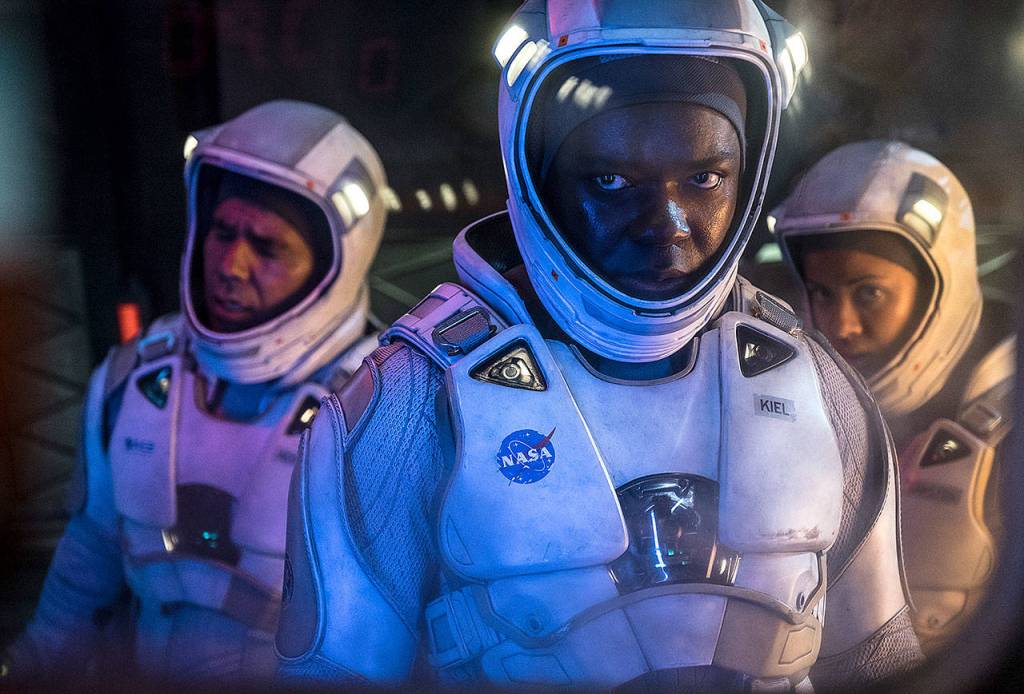
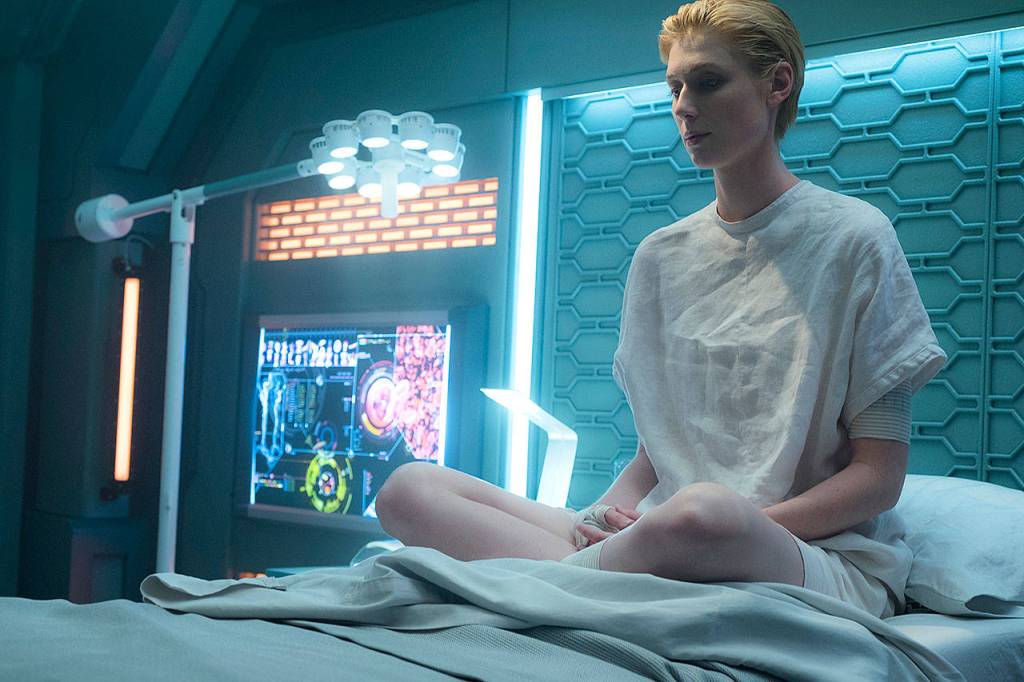
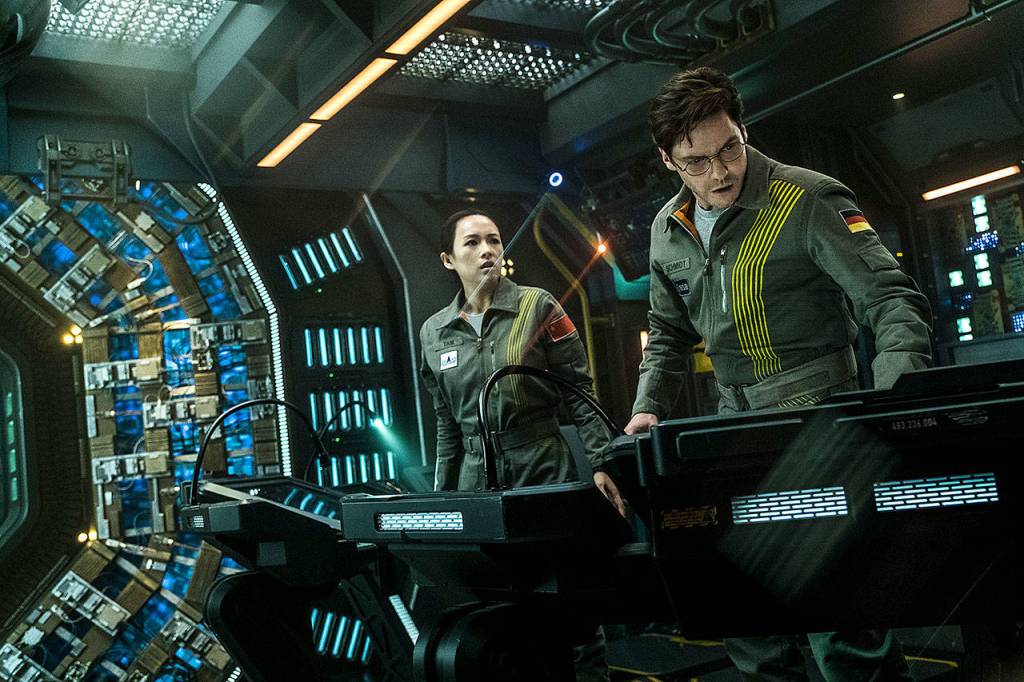
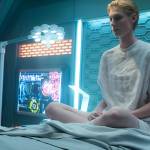
Something similar happened with “The Cloverfield Paradox,” about a crew aboard a space station trying to develop unlimited energy via an experimental particle accelerator. Originally titled “God Particle,” the screenwriter revealed it had been written before “10 Cloverfield Lane” and that they had gone into rewrites during production.
“I’m not sure what it means to be part of the expanded Cloverfield universe,” Oren Uziel told Collider back in 2017. “… I don’t think there is one specific thread that makes it a Cloverfield movie, I guess.”
That confusion shows in the resulting product, a dreadful hodgepodge of sci-fi-horror cliches that makes little sense even within the universe it has created. You can practically see where the “Cloverfield” elements — big monsters seen in shadow! Scary noises heard in underground shelters! — were stitched onto another, possibly-less-terrible movie. Knowing they had a stinker on their hands, the studio shelved the movie, trying to figure out how to market it.
Then along came Netflix, with its bottomless appetite for #content, a reservoir of capital and a knack for marketing mediocre mush to audiences looking to kill 100 minutes. They kept the movie’s release a secret and teased the trailer via director Ava DuVernay’s Twitter account (where she hyped up the film as a multicultural triumph). Then, they acted like it was a stroke of fan-pleasing genius to drop this steaming pile out of the blue. This was an exceptionally clever way of doing something studios have done for decades: releasing unmarketable garbage straight to video instead of wasting money on a theatrical campaign.
Turns out, the real Cloverfield monster — the thread that signifies what “it means to be part of the expanded Cloverfield universe” — isn’t an alien or an extra-dimensional being or a biological weapon. It’s just the latest in Hollywood marketing.