‘Blaze’ tells the story of an unsung, doomed musical genius
Published 1:30 am Thursday, September 27, 2018


Most musical biopics operate around a familiar set of scenes: the humble beginnings, the record deal, the first time the hero’s song is heard on the radio, the challenges from drugs/alcohol/success that are finally overcome. The one sure-fire part of the story is the rise to fame, and the thrills associated with the big break.
What if you made a biopic without the big break? This is the task director and co-writer Ethan Hawke sets himself in “Blaze,” a sad telling of the near-miss career of Blaze Foley.
Born Michael Fuller in 1949, Foley was one of those songwriters admired by other musicians but denied even a modest level of stardom. His quick temper and alcoholic tendencies didn’t help him on the occasions when he did get opportunities to shine.
Since his death in 1989, his status as a cult figure has slowly grown, and some of his songs (Merle Haggard’s cover of “If I Could Only Fly,” for instance) now stand as classics.
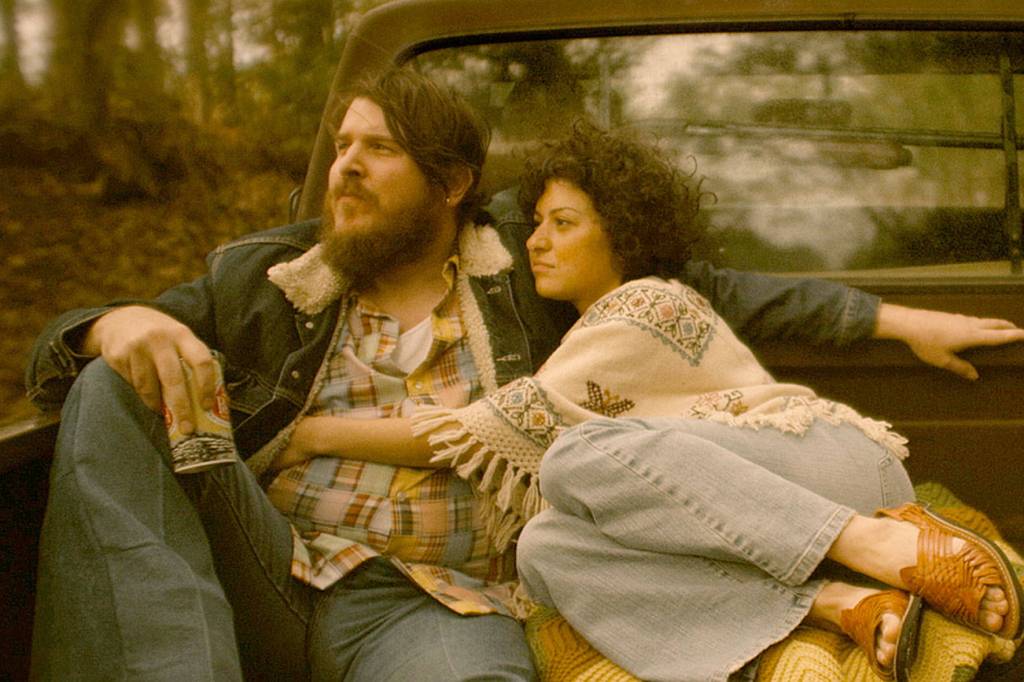
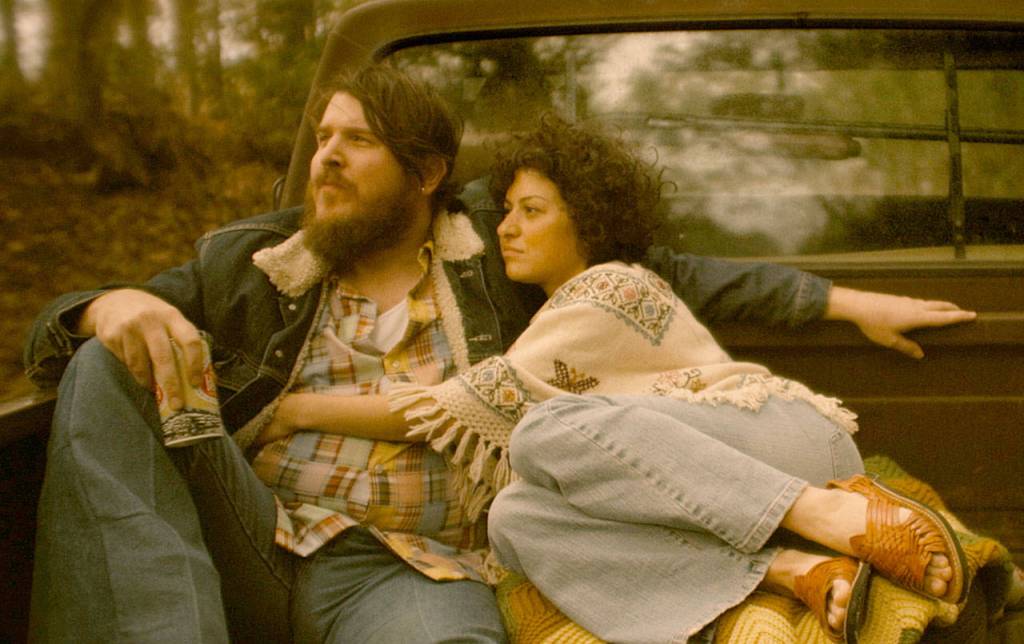
Part of the Foley revival stems from a memoir by Sybil Rosen, who lived with Foley in the 1970s. This may be why “Blaze,” co-written by Rosen, is at its best when it emphasizes the love story between the two (played by musician Ben Dickey and “Arrested Development” star Alia Shawkat), especially the little Eden they created in a half-finished treehouse somewhere in the Georgia woods.
The film is built around a live session Foley delivered in an Austin bar shortly before his death, but that’s hardly the only music in the film. Hawke layers full performances and half-uttered songs into almost every scene, as though underlining how Foley was a too-sensitive soul who could only really thrive in his art. The film is also crammed with tall tales and jokes, a fitting approach for someone who wanted to be a legend.
At times “Blaze” is guilty of romanticizing self-destruction, a familiar note in this kind of biography; our culture loves the “better to burn out than fade away” mentality, from Judy Garland to Kurt Cobain. But Hawke (who played, beautifully, one such character: jazz trumpeter Chet Baker in “Born to Be Blue”) also signals his awareness of this.
In a radio interview that provides structure for the movie, legendary burnout Townes Van Zandt (played by Austin musician Charlie Sexton, with a lot of whisky in his voice) spins larger-than-life tales of drunken glory, but next to him is a composite Foley pal played by Josh Hamilton, whose skeptically raises his eyebrows as though telling us to take these legends with a grain of salt. (Hawke, his face unseen, plays the radio interviewer — his only acting in the film.)
The movie is uneven, for sure — an episode involving three slick music promoters (played by Sam Rockwell, Steve Zahn and frequent Hawke collaborator Richard Linklater) is broad enough to feel as though it’s from another film, and the circumstances of Foley’s death remain somewhat murky.
But “Blaze” looks and sounds great; some of its images have a sensitively chosen yet offhand texture that seem to spring straight out of a vintage country song. Not surprisingly, the acting is very good, led by first-time actor Dickey’s shambling, genial style — you know from his chuckle that this is essentially a good person. Dickey keeps the guy human, a poignant reminder of what gets lost when someone becomes a legend.
“Blaze” (3 stars)
A music biopic without the usual “rise to glory” element, as the 1980s folk singer Blaze Foley (played by musician Ben Dickey in his acting debut) never did have a big break. Director Ethan Hawke’s empathetic film is full of music and some fine acting, and if it’s uneven it still delivers a strong sense of place and character. With Alia Shawkat.
Rating: R, for language, nudity
Opening Friday: SIFF Cinema Uptown