Prevent battery fires from power tools, headphones and more
Published 1:30 am Wednesday, August 23, 2023
By Karissa Miller / WM
We all do our part to help Smokey Bear prevent forest fires. The next step? Help our local WM drivers prevent truck fires.
Just as a smoldering campfire poses a threat to forests, an old electric toothbrush or power tool creates a fire hazard when improperly disposed of in your WM cart.
A small electric toothbrush? That’s right! While it may seem no different than the broken pens you regularly toss in the trash, the fire hazard during disposal comes from the batteries within these products.
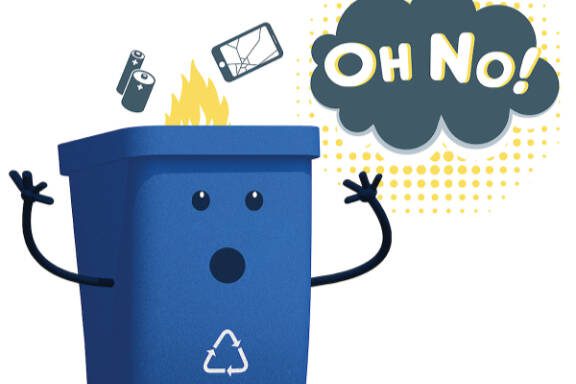
What’s the problem? The widespread use of lithium-ion batteries in recent years poses a major challenge for recycling. In curbside recycling programs, these batteries can become punctured when not disposed of correctly, which can lead to sparks.
When they incorrectly end up in the recycling cart full of dry paper, those sparks ignite fires that can quickly spread through trucks and recycling centers, leading to injury or even death. To keep truck drivers, recycling center staff and yourself safe, it is important to learn how to properly dispose of these products.
Even if the device or battery is dead, the threat of fire remains. Batteries should never go in your curbside recycling cart.
While many people are already keeping their household batteries out of the curbside carts, lithium-ion batteries can be sneakier. They can show up in everyday products you might not even think of as battery-operated electronics, as you would a phone or laptop. Some common culprits include wireless headphones, power tools, humidifiers and smart watches. These items should be disposed of with care.
Hazardous waste facilities will accept batteries that can be removed and extracted from the device. If the battery is embedded within the product, do not attempt to remove it. Contact an electronics recycler for disposal options by visiting ecyclewa.org.
While you’re at it, gather up those dead AA batteries from around the house and take them to your nearest battery recycler. While household batteries cannot go in the curbside recycling, they can still be brought to drop-off locations that will recover the valuable resources in batteries and give them a second life. Find a battery recycler near you by visiting 1800recycle.wa.gov.
There’s good news ahead to make battery recycling easier than ever. Washington state passed a battery stewardship bill that will expand options for drop-off recycling sites. Keep an eye out for even more convenient and safe disposal options in coming years.
Karissa Miller is WM’s recycling education and outreach manager. To see what’s recyclable in your community, go to https://www.wmnorthwest.com/index.html.