Mukilteo School District recommends second attempt at bond
Published 1:58 pm Wednesday, March 25, 2026


EVERETT — Voters said “no” to the Mukilteo School District’s $400 million bond measure in February, as the 57.2% of the vote it garnered failed to reach a supermajority of 60% required to approve a school bond.
But they didn’t say “heck no” or “no way,” assistant superintendent Patty Dowd said during Tuesday’s school board meeting. That, along with other factors, district staff said, gives them the confidence to recommend putting the bond measure back on the ballot in November.
The $400 million bond package would pay for construction projects throughout the district — projects that are projected to only increase in price over time, Mukilteo School District’s executive director of support services Karen Mooseker said Tuesday, as construction costs have increased significantly since the COVID-19 pandemic.
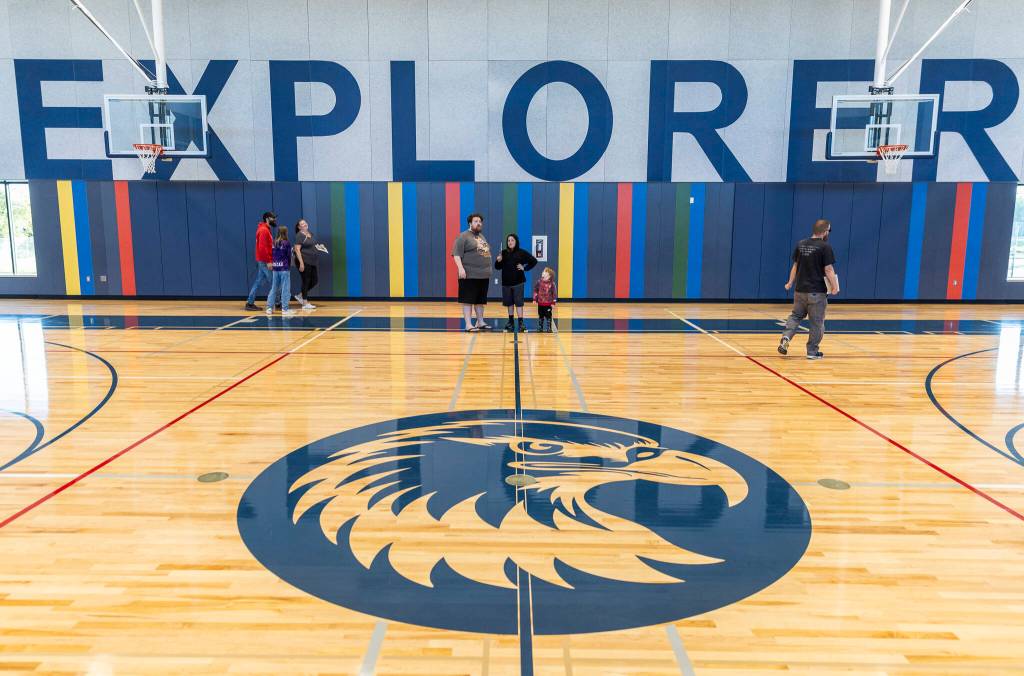
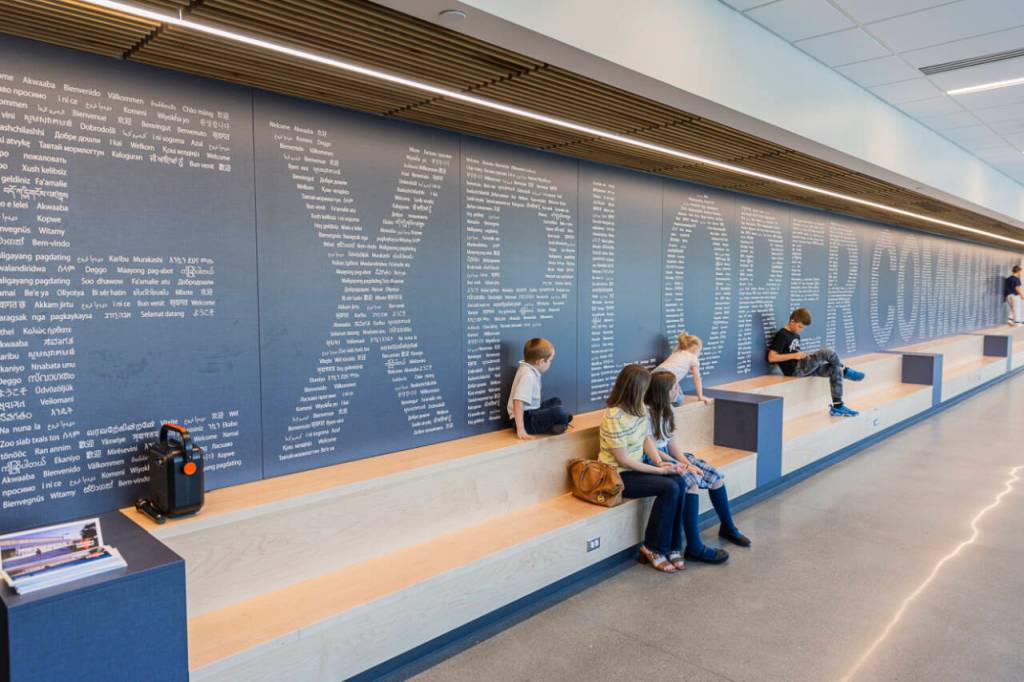
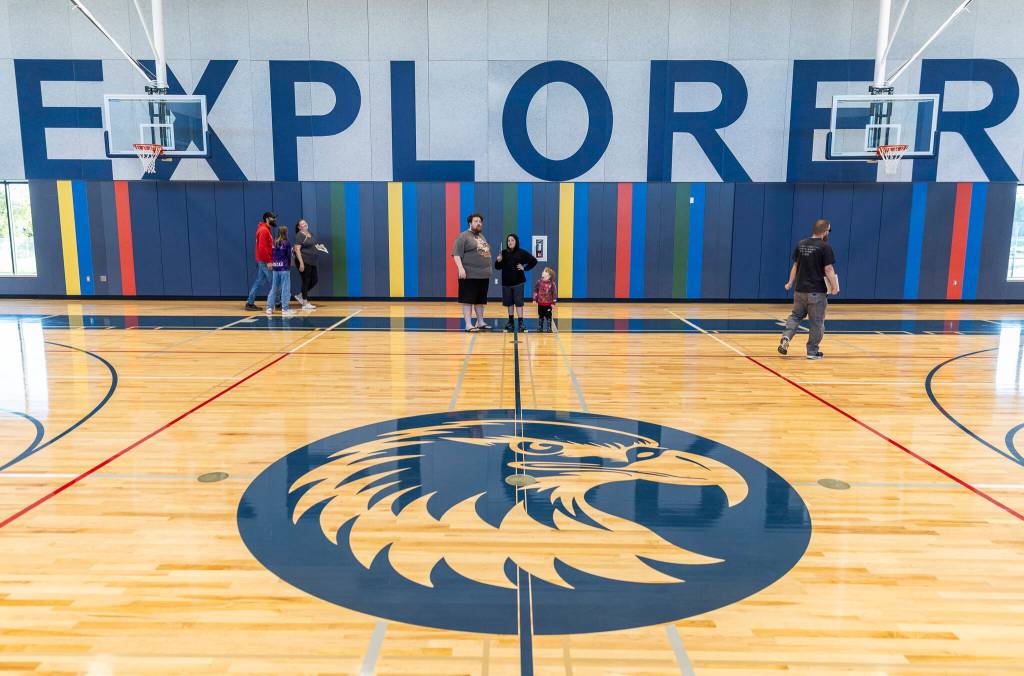
The biggest construction project included in the bond measure is the $134.7 million replacement of Explorer Middle School, part two of a two-phase project that began with a 2020 bond measure. Other projects include an $88 million replacement of Mukilteo Elementary School and work toward replacement of Serene Lake and Olivia Park elementary schools. The bond would also pay for the $27 million expansion of the Kamiak High School gym, as well as new sports fields, safety improvements, technology upgrades and fire safety systems at a number of schools.
Although voters rejected the measure in February, district staff said Tuesday that they are hopeful as to the potential success of the bond at a second attempt. November is a mid-term election, which typically sees higher turnout rates than local elections.
Since 2009, Dowd said, districts that received around 57.7% of the vote for a bond measure on the first go-around saw their percentage increase by about 5.5% by the second attempt — enough to get over the 60% threshold.
Running the bond measure on its own, along with time afforded by placing it on the November ballot, will allow the district to share more information with voters regarding the proposition.
“Giving people information just on the bond, rather than a levy and a bond, will help us go into greater depth and illustrate the real need we have for a bond,” Dowd said.
Ultimately, it will be up to the school board whether or not to send the bond back to the ballot. That decision won’t come for months; first, a bond advisory committee will meet in April before a board work session in June to discuss the possibility of running the measure again. If the bond resolution goes forward, it would likely be voted on in July.
Most states in the country require only a simple majority — 50% of the vote — to pass school bond measures. Washington’s state constitution requires a 60% supermajority. Lawmakers have introduced bills to reduce that threshold needed to approve school bonds, but none have passed.
Voters resoundingly approved an operations levy for the Mukilteo School District in the February election. It earned 59.6% of the vote.
Will Geschke: 425-339-3443; william.geschke@heraldnet.com; X: @willgeschke.