Everett’s First Presbyterian hosts series studying climate change
Published 1:30 am Saturday, April 29, 2017
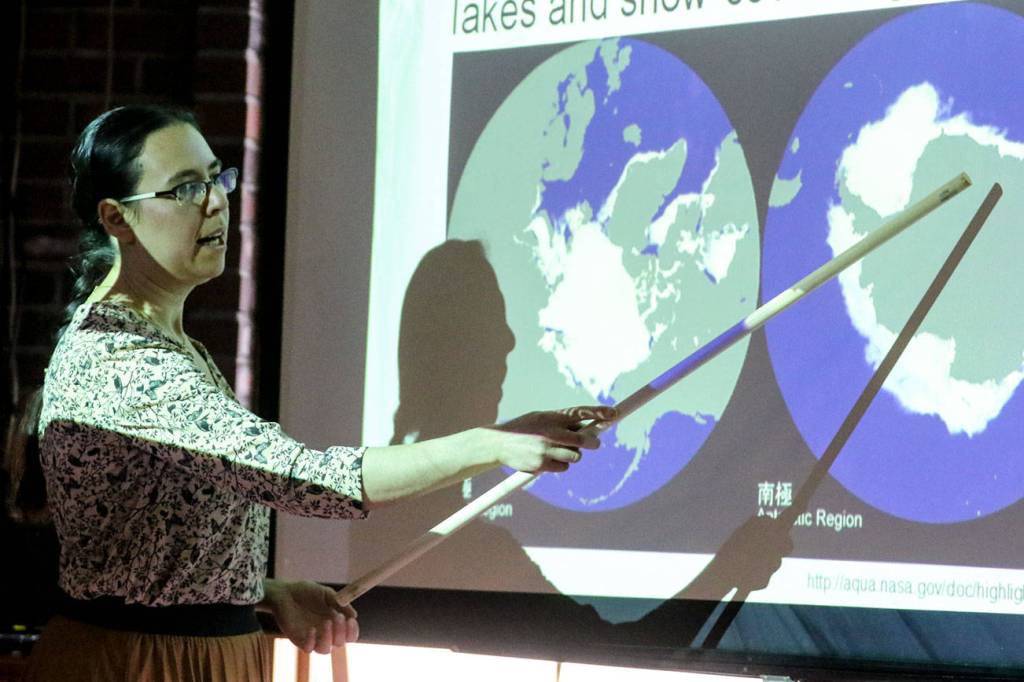
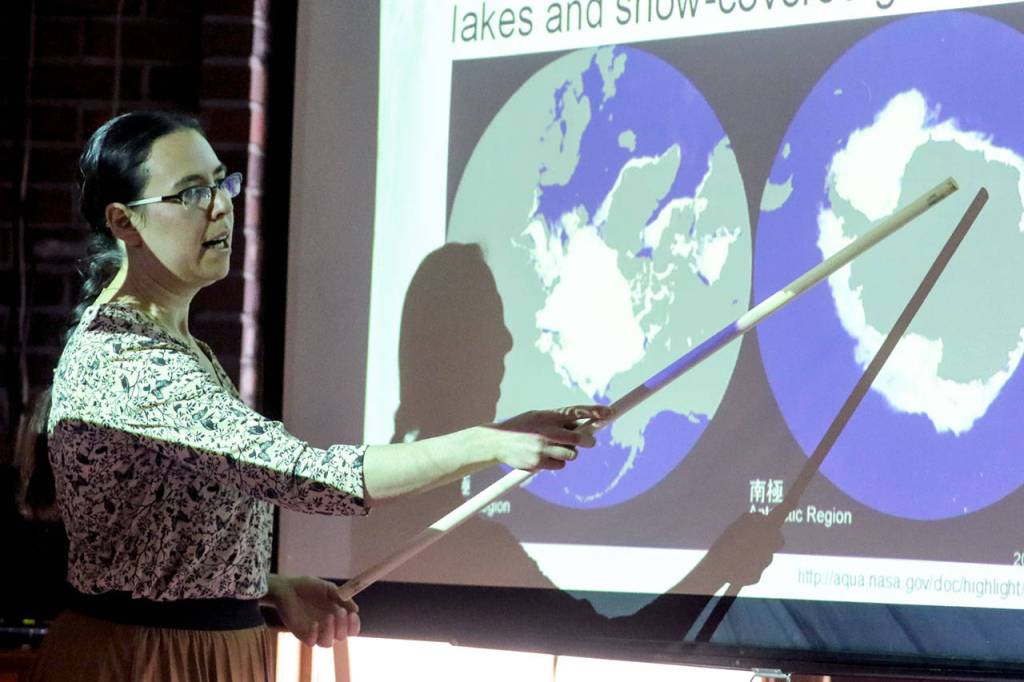
EVERETT — Faith does not end at the sidewalk around First Presbyterian Church of Everett.
Like many congregations, “we’re changing prepositions,” said Dana Wright, the church’s director of Christian formation and discipleship. “Instead of ministering to people, we’re learning to minister with people.”
That means engaging with the community beyond religious beliefs. It is broadening “how to do church,” he said.
Part of that expansion is hosting a discussion series in April and May with scientists studying climate change and its effects.
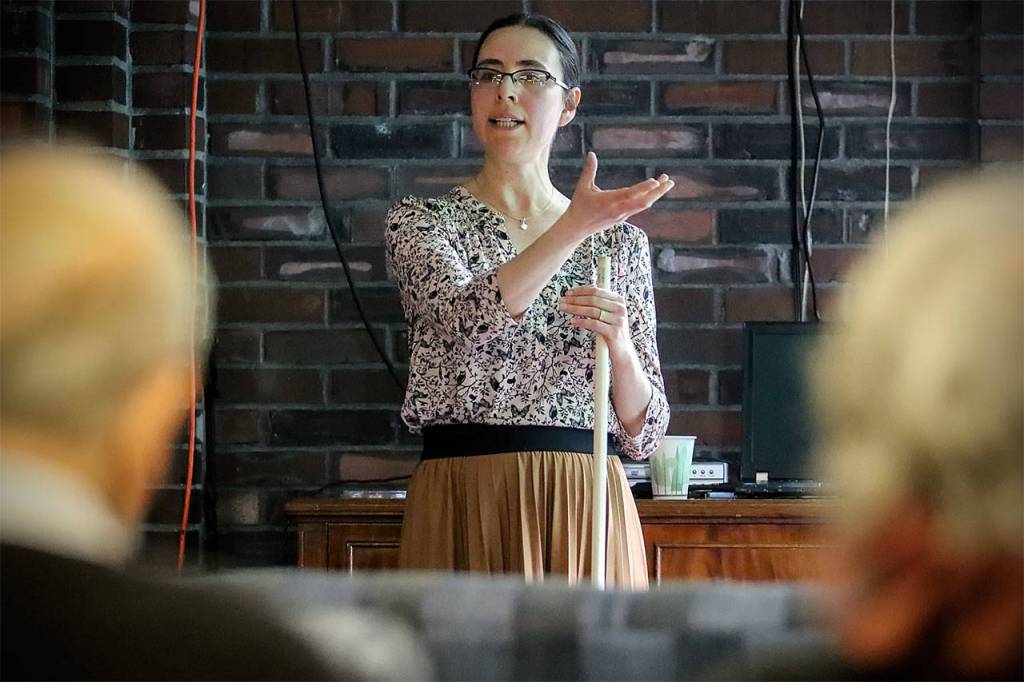
“How do you relate with the Arctic Ocean?” Marcela Ewert, who teaches oceanography at Edmonds Community College, asked the few dozen people at last Sunday’s installment in the series.
Ewert grew up in Colombia and did not see snow until she attended the University of Washington, where she intended to study astronomy. She left with a doctorate in oceanography and a passion for Arctic ice.
“Nothing works in the cold: Tape doesn’t stick, plastic breaks, batteries die,” she told the audience, speaking about the difficulties of Arctic research. “And you have to look out for polar bears.”
The frozen landscape might look barren, but unlike freshwater ice, sea ice is full of life. The salt creates tiny veins running through the ice, where bacteria can thrive. This microscopic life is the foundation stone for the Arctic Ocean food chain.
“Nematode worms flatten to burrow into the bigger channels to eat the microbes in the ice,” she said.
Below the ice, curtains of algae grow, providing food for fish and other creatures.
Yet the Arctic is changing. Satellite images from recent decades show a clear trend of less and less ice over time.
While Ewert never mentioned religion or faith, the annual discussion series comes out of the church’s beliefs, Wright said.
The Bible’s Book of Genesis says “humans have a stewardship role to play,” he said. “The tragedy today is much of the Christian Church has rejected so much science.”
“Theology engages with life, with science,” said Wright, who has a Ph.D. in Christian education and practical theology from Princeton Theological Seminary, which has ties to Princeton University.
In recent decades, more and more Christian thinkers have expanded their view of faith’s role in the modern world, he said.
However, that change is still trickling down in some sects and being challenged in others.
“It’s like church is playing T-formation football, and the game has changed,” Wright said.
Dan Catchpole: 425-339-3454; dcatchpole@heraldnet.com; Twitter: @dcatchpole.
Earth Care series
All events are open to the public and at First Presbyterian Church of Everett at 2936 Rockefeller Ave.
Alaska’s groundfish fisheries: a success story, 11:30 a.m. to 12:30 p.m., Sunday , with Austin Estabrooks of the At-Sea Processors Association
What paleo-oceanography tells us about climate change, 11:30 a.m. to 12:30 p.m., May 7, with Sarah Myhre, an oceanographer at the University of Washington