Local roller rinks cater to hip-hop and old-school generations
Published 1:30 am Sunday, June 17, 2018
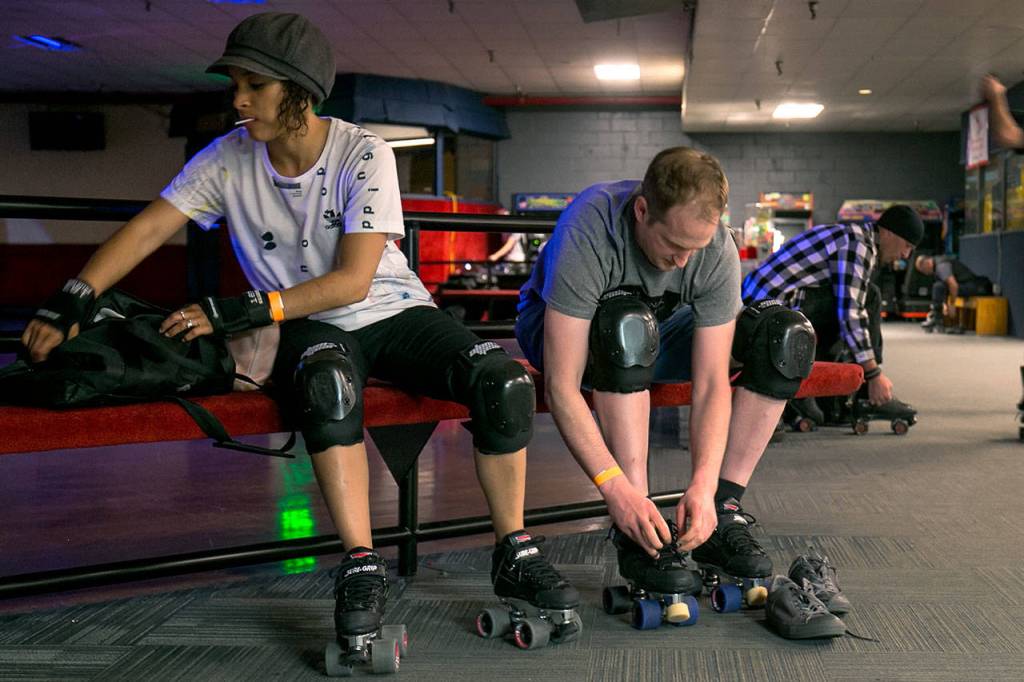
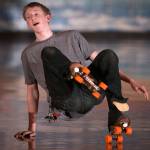


Ask Lynnwood resident Dezirae Cunningham what she’s doing most nights, and she’ll tell you.
Roller skating.
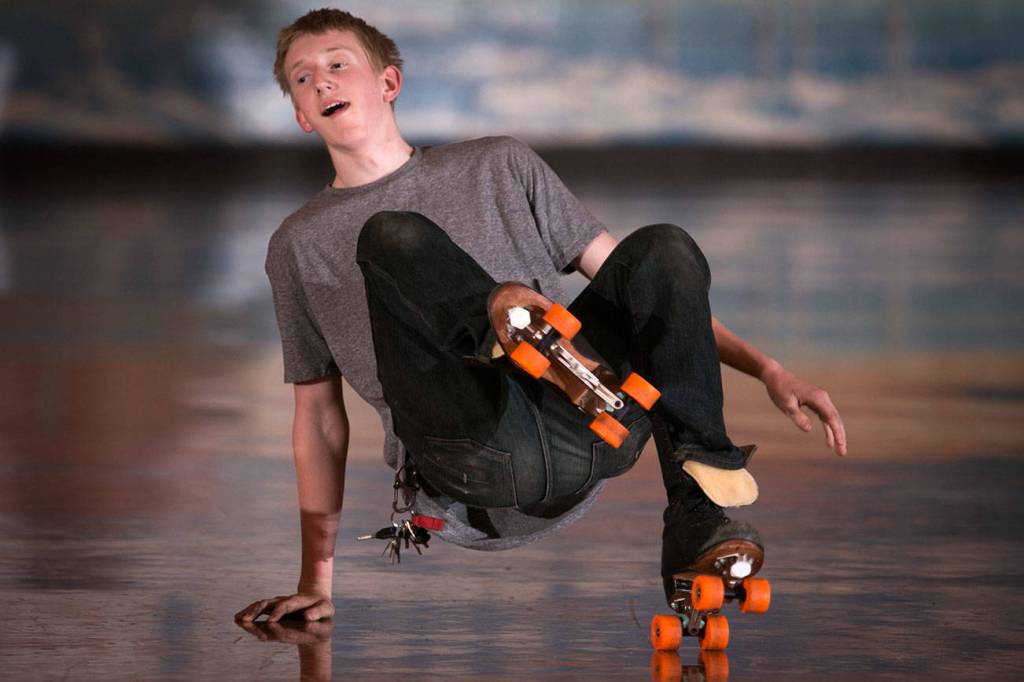
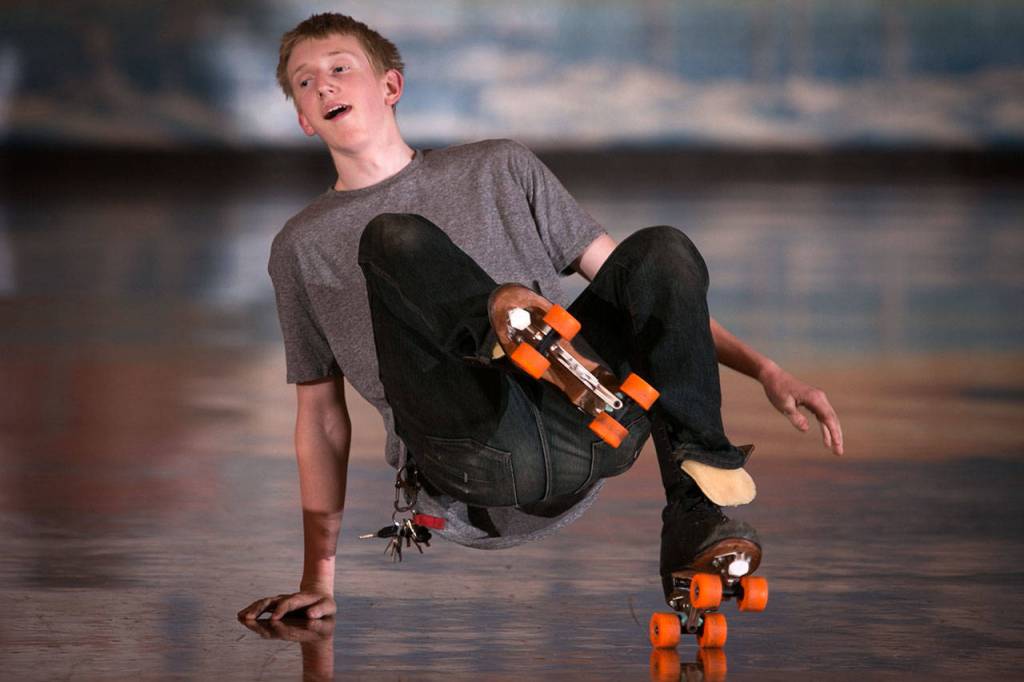
And she’s not talking about lacing up her skates and going for a few laps around the local rink. She’s a rhythm skater — picture break dancing, shuffling and choreographed footwork.
The 30-year-old is skilled, but it took religious-like devotion over the past year to reach her level.
“I didn’t have anything for me — just to be Dezirae,” Cunningham said. “I needed that. I got to a point in my life where I was like, ‘What am I outside of a mom and a wife?’ This became my outlet. I found that the skate community is very welcoming and willing to teach. I had so many people willing to show me because I wanted to learn. I had this drive to want to be better.”
The learning curve was steep. Cunningham skated four to five times per week. If one skate rink was closed, she went to another, rotating between Lynnwood Bowl and Skate — 10 minutes away from her home — Everett Skate Deck and Pattison’s West Skate Center in Federal Way.
“I was literally obsessively skating,” Cunningham said. “I dealt with addiction for many years. This turned into my addiction. But, now I’ve gotten almost a year in, and I’ve found balance. I’ve found other things that I can also exert my energy into.”
Roller skating dates back to the 1930s. The sport has gone through peaks and valleys in popularity, from the roller rink era in the 1970s to the influence of breakdancing in the early 1990s.
Currently, the industry’s in a valley. There are about 1,500 roller rinks today, compared to over 5,000 in the 1980s. It’s the diehard skaters who help keep skating rooted in the community, according to local rink managers.
Many of those steady skaters frequent Lynnwood Bowl and Skate, which, despite the industry’s woes, has steadily risen in popularity in the past three years.
Shaun Kelly, Lynnwood Bowl and Skate assistant skate manager, says it’s possible that another resurgence could be on the horizon — albeit on a smaller scale.
In the past three years, Bowl and Skate attendance has increased by about 30 or 40 percent — about 1,000 new skaters — according to Jessica White, the rink’s general manager.
Many of them are regulars. “It’s almost like church for some of them,” White said.
“They want to skate every day, and they like adult sessions where there are no kids in the way,” Kelly said.
“Skating is something that gets more fun the more you know how to do it,” he said.
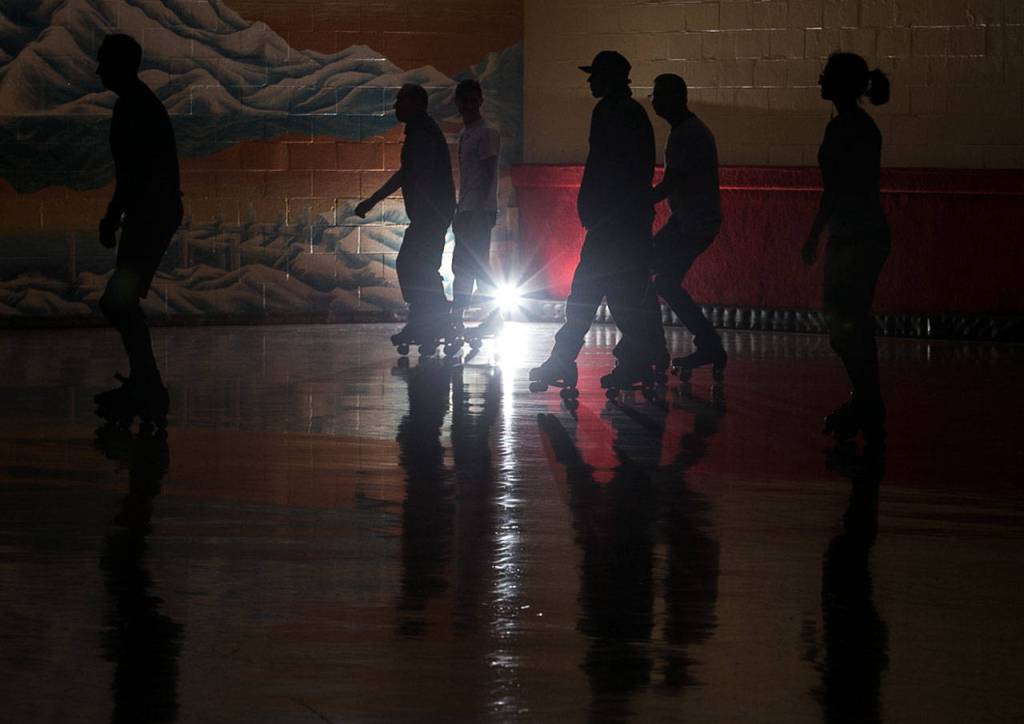
The rink has two adult sessions per week. Mondays cater to an old-school crowd who prefer 1970s and 1980s throwback music, while Thursday nights are for younger skaters who enjoy hip-hop and R&B.
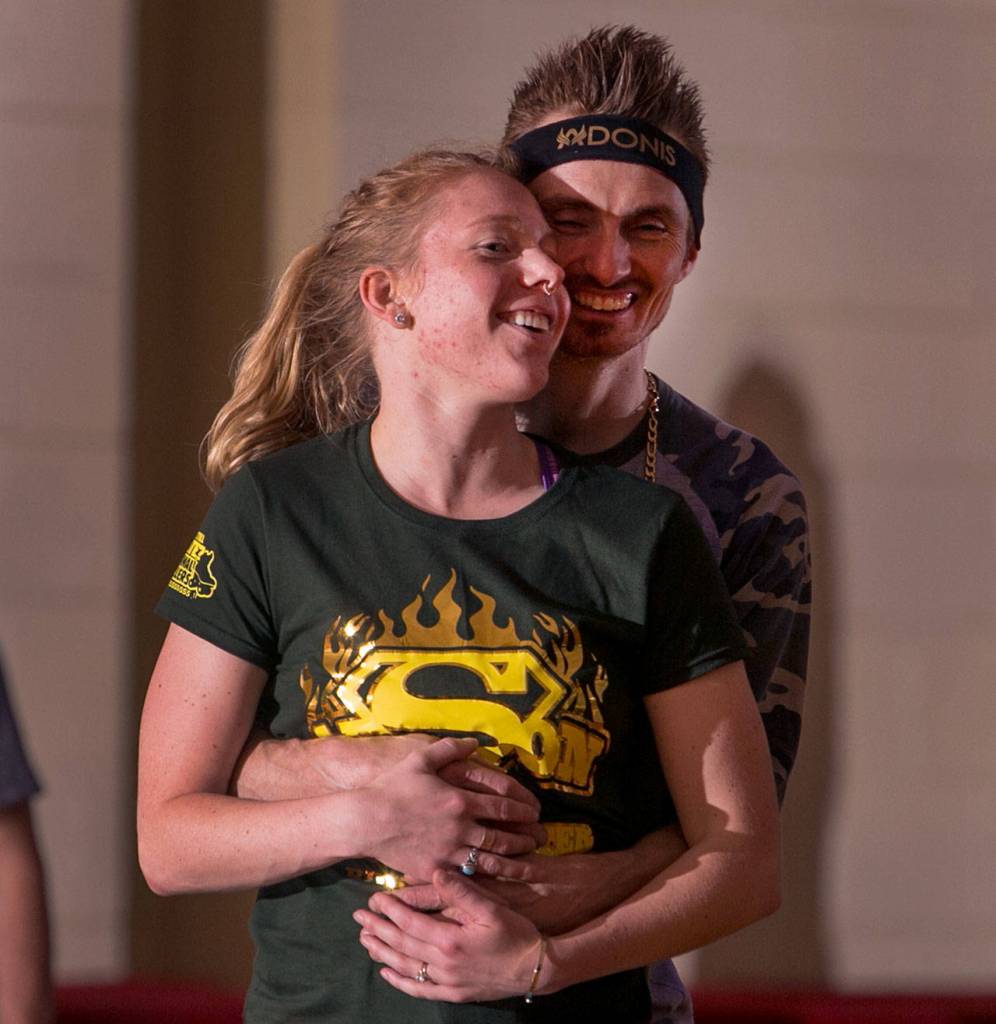
The scene draws all types of people: misfits, jocks, nerds, introverts and extroverts.
But those labels are left at the door. It’s a form of escapism that way.
“It’s just a wonderful community,” Cunningham said. “It’s amazing. There’s a lot of talent. I guess you have to be really into activity and music.”
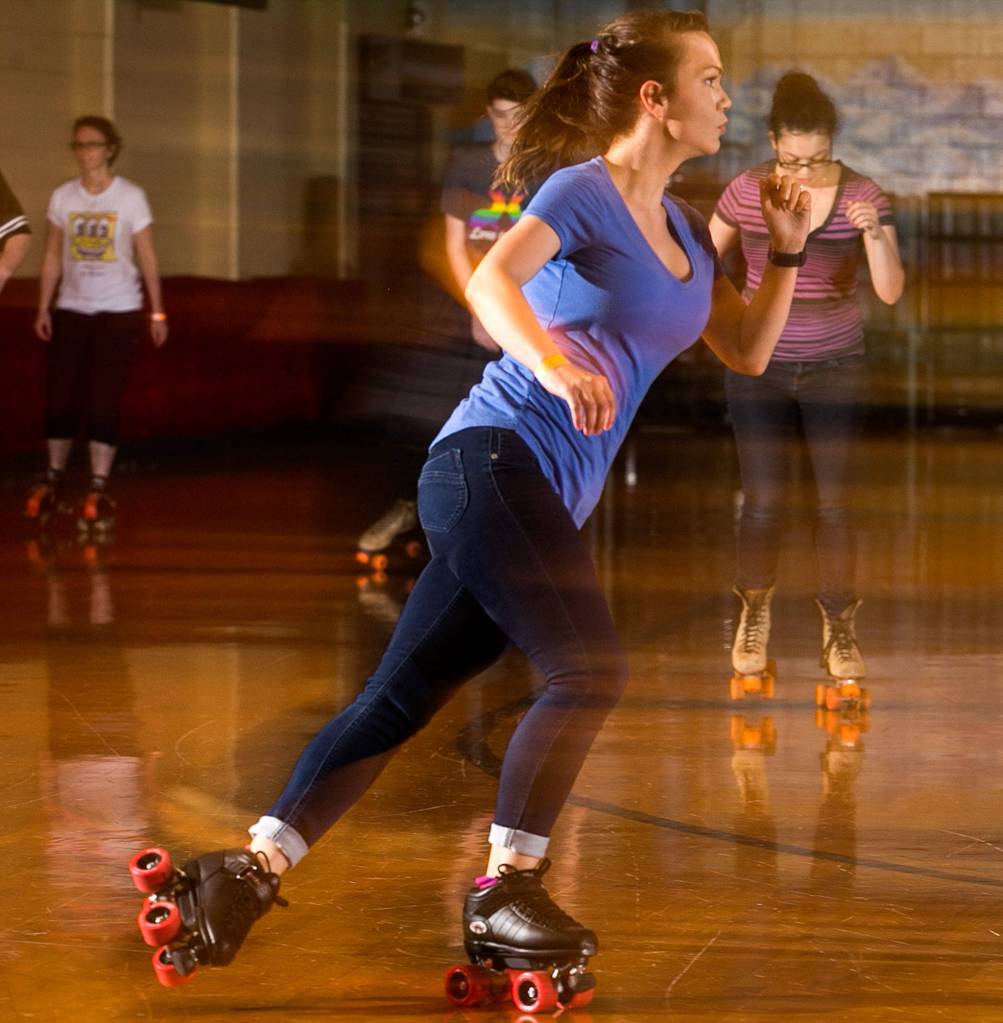
Rhythm skating, also known as jam skating, is like performance art. It’s about freedom, movement and expression. That idea manifests itself in different ways, depending on the skater.
Some like to round the rink mixing footwork and dance together. Others, like Cunningham, practice breakdancing or other moves toward the center to avoid blocking other skaters. Every once in a while, a group of skaters perform synchronized movements.
The constant motion and activity can make a 2½-hour session fly by.
Joey Cordell, 21, of Everett, is the DJ on Thursday nights at the Bowl and Skate. He’s also a talented skater who says that while many diehard skaters’ skill seems unapproachable, it isn’t.
“You could say it’s a niche, but it’s a niche anybody could do,” Cordell said. “There are levels. You don’t have to be the best at everything to be good at skating.”
Old-school skaters, like 66-year-old Howard Jenkins, opt to go Monday nights. Jenkins, who has skated since he was a University of Washington freshman in 1969, prefers a balance between old-school music and some R&B.
He said the lyrics help foster the values the skating community had in the 1970s and ‘80s of positivity, acceptance and inclusivity.
“Rap comes right at you,” Jenkins said. “It’s real in-your-face stuff. My thing has always been that skating is a vehicle by which we can bring introverts into themselves.”
Jenkins said a much bigger group of old-school skaters used to go from rink to rink, but that it’s dwindled over the years, partly due to music choice at roller rinks.
But dozens of them are still active at either Lynnwood Bowl and Skate or the Everett Skate Center.
Jenkins gives the local skating community kudos for continuing to be inclusive.
“You have many different people of different ages, from many different walks of life, who develop a common denominator: skating,” he said.
If you go
Lynnwood Bowl and Skate, 6210 200th St. SW, Lynnwood. Adult sessions (18 and up) are from 8:30 to 11:30 p.m. Monday and Thursday. All age open skate sessions are Wednesdays, Fridays, Saturdays and Sundays.
Everett Skate Deck, 9700 19th Ave SE, Everett, opens Friday-Sunday. More at www.everettskatedeck.com.
Marysville Skate Center, at 7313 44th Ave. NE, Marysville, is open Monday, Wednesday, Friday and Saturday.
More at www.marysvilleskatecenter.com.