When mom tried the Whole30, the entire family learned a lesson
Published 1:30 am Sunday, February 3, 2019
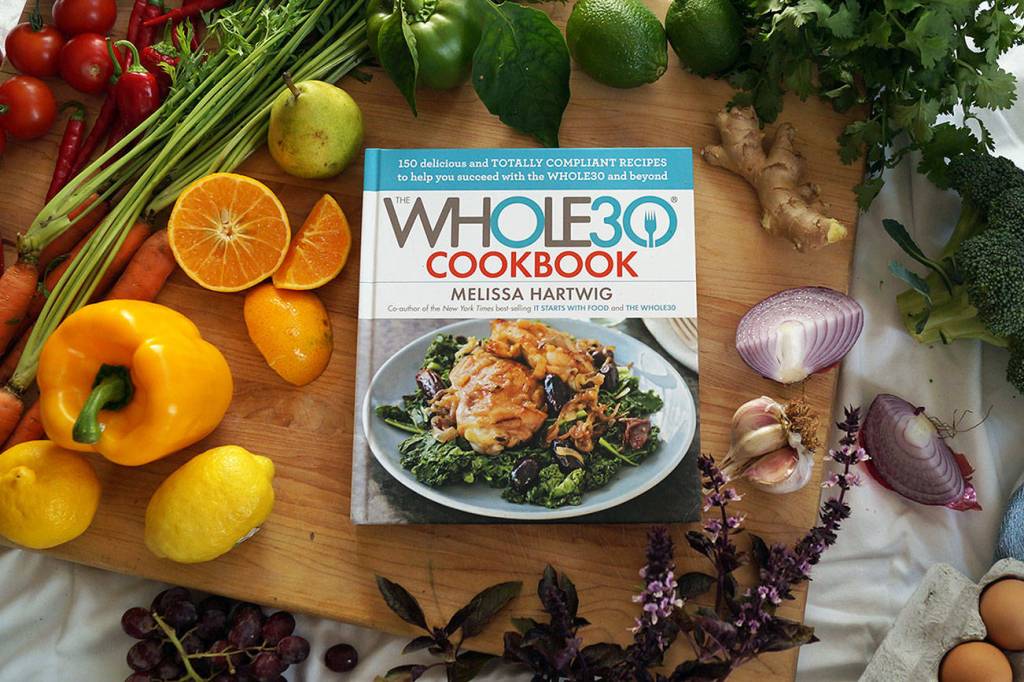



On Day 29 of the popular food challenge called Whole30, I should have been feeling great. I’d lost a couple of pounds, was sleeping like a baby and had a fridge stocked with healthy meals.
Instead, I found myself staring longingly into my mug and wishing yet again that I could add milk to my coffee.
The basic premise of Whole30 is to spend 30 days eating foods that nourish your body and don’t trigger an unhealthy psychological response to food or undetected inflammation. That means eating vegetables, fruit, eggs, meat, fish and nuts, but eliminating dairy, soy, legumes, grains, alcohol and sugar.
A full explanation of Whole30 can be found in the New York Times bestseller “It Starts with Food” by Dallas Hartwig and Melissa Urban.
I started my Whole30 on New Year’s Day because the holiday season had left me completely addicted to sugar. Forget about having dessert once or twice a week — I was eating four or five cookies every day and decimating a box of See’s chocolate.
Several of my friends were doing the Whole30 challenge and had started a Facebook support group. Plus, ACME Farms and Kitchens in Bellingham was offering a Whole30 food box in January, which made meal planning easy.
The first few days of the challenge involved grit and determination every time I walked past a pastry product. But once the sugar had cleared my system, my sugar cravings almost completely went away. Whole30 taught me that it was easier for me to avoid sweets completely than it was to limit myself to just one cookie.
By the second week of Whole30, my teenager was inspired to cut down on his own sugar consumption. That’s when I learned a second important lesson about my relationship with sugar: I was the glucose pusher in my family.
The yogurt I packed in their lunches had 33 grams of sugar. The granola bars were loaded with sweetener. On cold, rainy days when they came home from school, I offered them hot cocoa instead of something more nutritious. My son had to tell me over and over again that he didn’t want sugary foods before I finally got the message.
Understanding led to better behavior. I cooked from scratch. I packed thermoses of leftovers. I offered fruit and nuts as an afternoon snack. Our whole family grappled with learning other ways to deal with stress besides reaching into the pantry for a box of crackers.
I didn’t have any miraculous health improvements as a result of the Whole30, which was disappointing because I had hoped that giving up dairy would alleviate my allergies, but I did learn a lot about brain behavior and my own personal connection to food.
The most important thing Whole30 taught me was that instead of offering my family nutrient-poor choices loaded with sugar — and thinking the food is healthy because it’s labeled “organic” — I should be providing them nutrient-rich choices that don’t trigger unhealthy psychological responses to foods.
When it comes to food and psychology, the connection runs deep. Case in point: Drinking my morning coffee without a splash of milk makes me sad, and that’s pretty weird when you think about it.
Jennifer Bardsley publishes books under her own name and the pseudonym Louise Cypress. Find her online on Instagram @the_ya_gal, on Twitter @jennbardsley or on Facebook as The YA Gal. Email her at teachingmybabytoread@gmail.com.