Everett to consider increased utility tax rate
Published 1:30 am Thursday, March 19, 2026
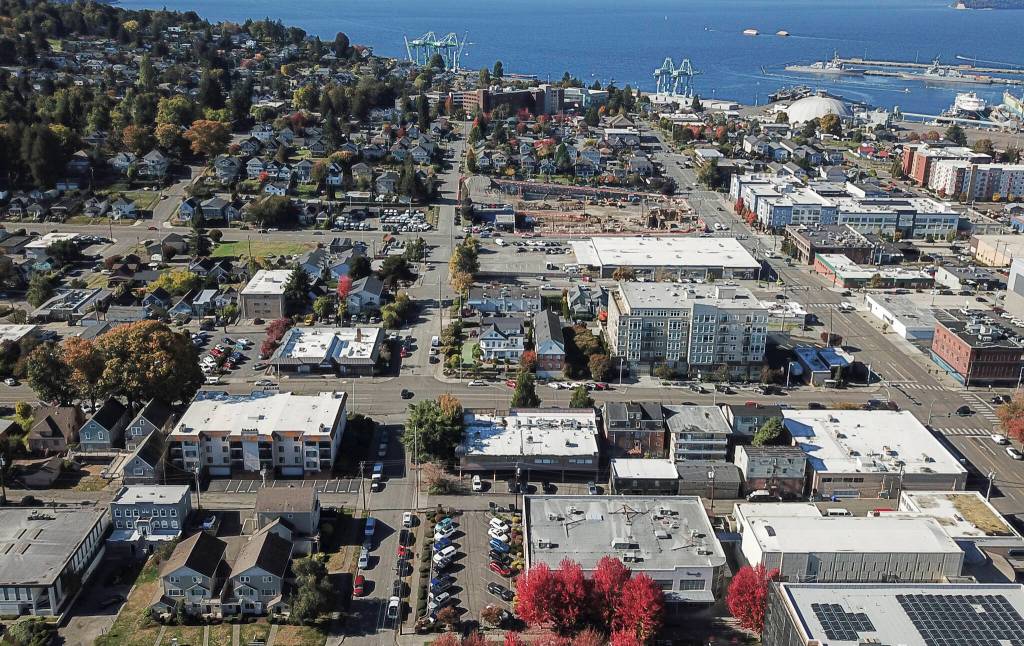
EVERETT — The city of Everett is considering implementing a new tax on city utilities that would affect hundreds of thousands of people throughout Snohomish County.
The utility tax would amount to a 6% increase of a fee customers currently pay for water and sewer service.
Currently, the city imposes a 6% “payment in lieu of taxes” fee on its water and sewer utilities, which serve residents both within Everett and in cities across the county. The city’s new proposal, announced at a budget committee meeting Wednesday, would remove that 6% fee and replace it with a 12% utility tax.
Everett is considering the utility tax as a way to raise more revenue as it faces the need to close a potential $14 million deficit in the 2027 budget. The tax increase would raise about $7.5 million toward the city’s general fund, closing about half of the looming budget gap.
The average utility customer would pay an extra $10.74 per month due to the increase in the utility tax, according to the city. It would impact all customers who use Everett’s water and sewer services. Everett’s water system serves about 670,000 people, or about three quarters of the businesses and residents of Snohomish County. The city’s sewer system serves over 180,000 people.
For customers outside of the city, the tax will be included in the cost of the utility service, and cities outside of Everett could add their own utility taxes.
“Our tax will be embedded in wholesale water costs and then other cities can do what they will with their utility taxes,” city finance director Mike Bailey said in an interview Thursday.
Most cities across Washington have some form of utility tax, Bailey said. In 2025, Lynnwood and Edmonds voted to raise their utility tax rates.
The 6% “payment in lieu of tax” fee on Everett utilities has been in place since 1983. It operates identically to a utility tax, just under a different name. The city’s legal department is also seeking the new tax as it would align more clearly with existing state law that permits cities to levy utility taxes.
The utility tax is one option the city could take to close the coming budget gap in its general fund. Other options could include creating a municipal fire authority, regionalizing services like fire or libraries, or asking for a property tax levy lid lift.
The utility tax would not require voter approval. The council is expected to consider the legislation with three readings beginning in April, with a proposed effective date of July 1, 2026. Before the proposed tax would go into effect, the city hopes to implement an expansion of its existing utility payment assistance programs for low-income residents, Bailey said.
Will Geschke: 425-339-3443; william.geschke@heraldnet.com; X: @willgeschke.