Six candidates seek Congressional seat in District 8
Published 1:30 am Friday, July 24, 2026
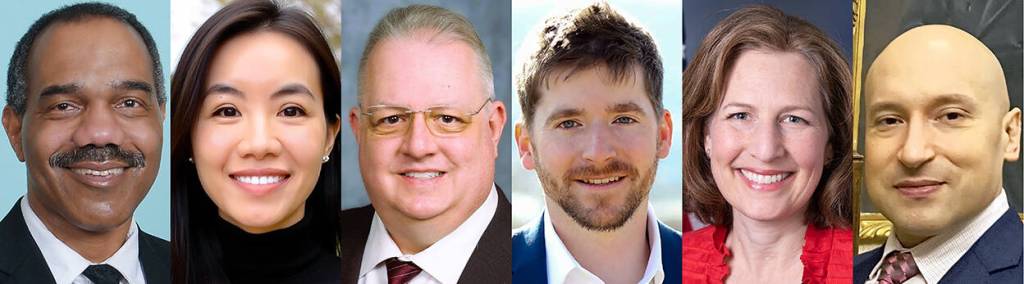






EVERETT — Five challengers are seeking a seat in the U.S. House of Representatives against a longtime incumbent in Washington’s 8th Congressional District.
District 8 encompasses all of Chelan and Kittitas counties and most of the land in Snohomish, King and Pierce counties outside their most populous cities. Granite Falls, Sultan, Darrington, Gold Bar and Index are in District 8.
The crowded primary ballot has four Republicans and two Democrats. The district has historically been represented by Republicans; however, the Democrat who currently represents District 8 was first elected in 2018 and reelected following redistricting in 2023 when Snohomish County was added to the district.
U.S. Representatives earn $174,000 per year.
The primary election is Aug. 4. The two candidates with the most votes move on to the November general election.
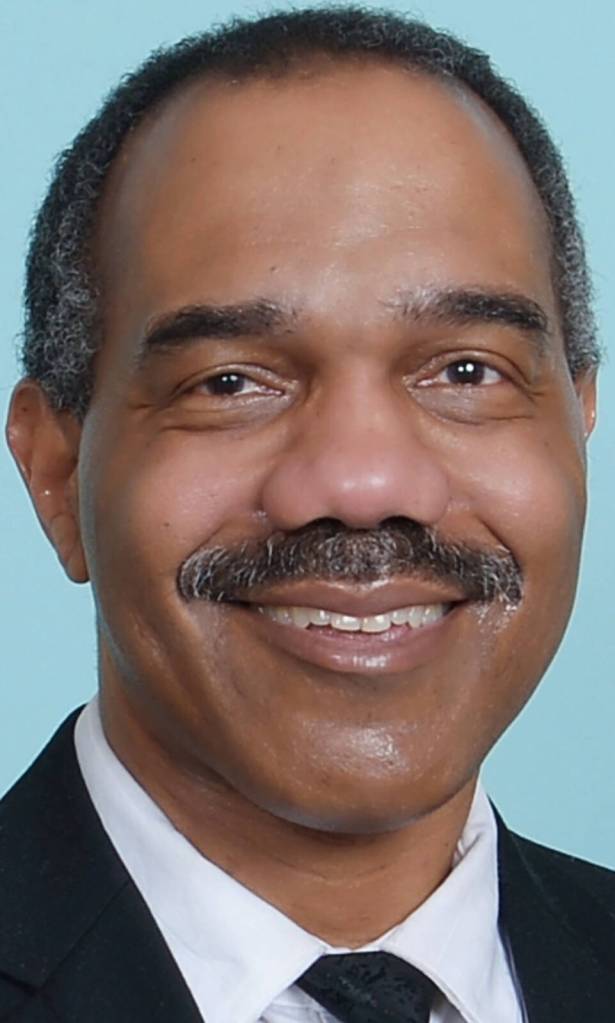
Keith Arnold
Arnold, 64, is a Democrat, works as a cashier and lives in Auburn.
If elected, his priority would be to establish ranked choice voting for federal elections, Arnold said in a June 1 interview.
In ranked choice voting, voters rank candidates in order of preference rather than picking just one. If a first-choice candidate doesn’t have a chance of winning, the ballot is moved to the second choice, and so on until a winner is decided.
“The problem with every other process is you eliminate people before you go to the next round of voting,” Arnold said.
For example, in a primary election, the two candidates who get the most votes move to the general election. The votes for other candidates basically don’t count at that point, he said.
But with ranked choice voting, candidates with fewer first-choice votes might receive more second- or third-choice votes that bring them back into the running, Arnold said.
This prevents multiple candidates for one party spreading out the vote, he said.
“So the person who has the most support — most valid support — will end up getting to a majority of votes,” Arnold said.
On healthcare, Arnold supports universal healthcare, he said.
“Medicare for everyone would be fine,” Arnold said. “The public sector will probably be better or safer.”
For immigration, Arnold said that laws should be fair and enforced.
“If you want more people to come in, you should just adjust it so more people can come in, but the law should be enforced,” he said. “You shouldn’t be able to come in and then hide here and say that you have your rights protected. You should have permission to come in first.”
To help protect the environment, Arnold supports investments in new technologies, he said.
“Couldn’t have done electric cars at first because they weren’t as powerful, but when we develop them we need to move over to electric cars,” Arnold said. “That would be the same in everything else, like wind power and solar power.”
Arnold would rely on the opinions of experts for topics in which he didn’t feel confident, he said.
“And of course in any topic, there are people on both sides,” Arnold said. “You explore carefully both sides and figure out which one is right, or you let people on both sides of an issue present their ideas and develop them, and you just want to see which one actually works.”
Arnold’s campaign website and social media accounts list no endorsements. As of Wednesday, he has not reported any campaign contributions.
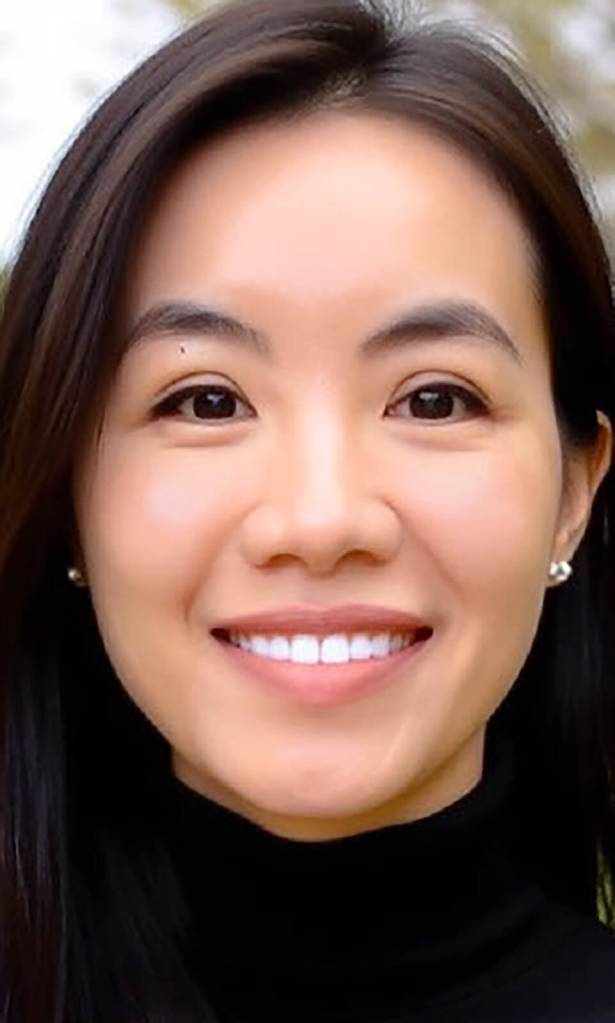
Trinh Ha
Ha, 40, is a Republican who works as a consultant for the U.S. Department of Veterans Affairs. She lives in Bellevue.
If elected, Ha would prioritize improving schools, public safety, lowering the cost of living, supporting veterans and “confronting the growing threat from China,” she said in a May 27 interview.
To improve schools, Ha would support parental involvement and make sure schools focus on core academics like reading, writing, math and critical thinking, she said.
“I think that’s what students need most in order to prepare for a successful career,” Ha said. “I think the Department of Education has a critical role in enforcing federal laws but I do agree that the Department of Education needs to be downsized.”
Ha would help distribute federal dollars equally to the states and would help parents have more of a say in their children’s education, she said.
To help communities stay safe, Ha would fight for more money to hire police officers, she said.
“There is not enough funds to hire more officers and that poses a real public safety challenge,” Ha said. “I believe that communities need safe streets and stronger action against fentanyl and drug trafficking.”
One way to stop drug trafficking is to have stronger borders, she said.
“We need to enforce our laws because when our system is overwhelmed with millions entering illegally, it creates strains on communities,” Ha said.
According to the Pew Research Center, 14 million unauthorized immigrants lived in the United States in 2023, an all-time high. Preliminary data indicates continued growth in 2024 and a decrease in 2025. However, studies show a majority of drug smuggling is done by U.S. citizens at legal points of entry.
Ha and her family are immigrants from Vietnam.
“My family came here through the legal means,” she said. “We came as refugees after losing our homeland, so we have deep gratitude for this country and a desire to integrate and build a better future here through hard work, and because of that experience I strongly support legal immigration.”
To improve affordability, Ha would support reducing unnecessary regulations that prevent homes from being built and increasing energy production within the state, she said.
“Fuel and electricity prices are rising,” Ha said. “I think we need to explore all options on the table, so not just focus on coal and gas, but we need to focus on renewables — so water, solar, so hydropower, solar, wind — all of those options need to be explored.”
To support veterans, Ha would bring more resources to the Department of Veterans Affairs and local veterans programs, she said.
“So veterans can have faster access to care and care that is closer to home,” Ha said. “We need to focus on providing the care for veterans who are in rural America.”
Ha also said that the United States should “take a more serious approach toward China, economically, strategically and also technologically.”
A better understanding of what China is doing to the U.S. is needed, Ha said.
“We need to understand that the Chinese Communist government has a growing influence in America, especially among the young,” she said. Ha also refers to the Chinese Communist Party as the CCP.
In 2024, China carried out a social media operation to exacerbate social division ahead of the presidential election, according to the research company Graphika.
China’s gross domestic product is the only other in the world that rivals the United States. However, at $20.8 trillion, China remains behind the U.S. at $32.4 trillion.
“That is not just a geopolitical issue; that is also an economic issue,” Ha said. “I think it really takes all congressmen a clear understanding of what is being done from the CCP’s perspective in order to undermine America. I mean, CCP is hell-bent on reversing the global order. That means upending American dominance and making sure that China becomes the number one global power.”
On healthcare, Ha said it works best when families are the center of the system.
“Not insurance companies or pharmaceutical companies,” she said. “I think we need to focus on lowering the costs, especially prescription costs. We also need to increase access to doctors and clinics, especially in rural areas.”
To improve transportation infrastructure, practical projects should be prioritized, Ha said.
“One of the first things I would mention is improving the I-90 and the major freight corridors that cut across the Cascades,” she said.
On the environment, the state needs better forest management to prevent wildfires, protect clean water and encourage cleaner technology and innovation, Ha said.
“It makes little sense to shut down American production while we rely heavily on countries like China, which often has weaker environmental standards,” she said. “So we should be able to protect the environment while also protecting American jobs and energy.”
Ha is endorsed by state Sen. Keith Wagoner, R-Sedro Woolley, the Pierce County Republican Party, the 47th District Republicans and the Washington State Young Republicans, among other organizations and elected officials.
As of Friday, she reported $154,589 in campaign contributions, according to federal filings.
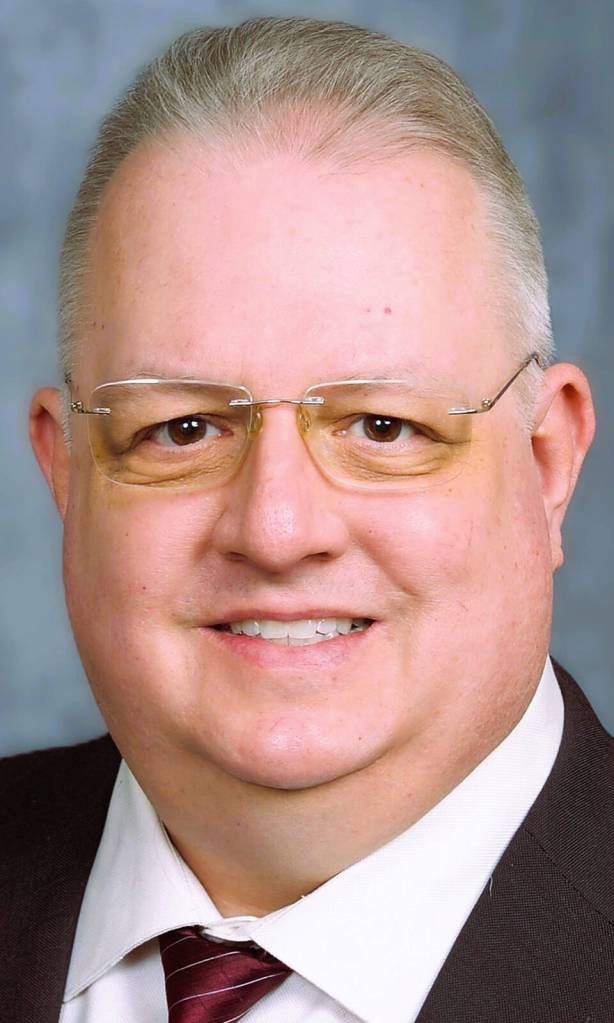
Bob Hagglund
Hagglund, 60, is a Republican who works as a consultant in data science and engineering. He lives in Granite Falls.
If elected, Hagglund would prioritize affordability, increasing clean energy production and public safety, he said in a May 28 interview.
To help with affordability, Hagglund would help decrease regulations and unnecessary programs, he said.
“The biggest thing government can do in affordability is do whatever it can to get out of the way,” Hagglund said. “We need to actively look for where we’re driving up the costs and try and eliminate those.”
Increasing clean energy production is about innovation, protecting the planet and energy independence, Hagglund said.
“We can find ways to be good stewards of our resources, not be stupid, not be greedy,” he said. “I think nuclear fusion is going to actually happen finally after all these broken promises. Twenty years away, it’s going to happen.”
The International Thermonuclear Experimental Reactor is a fusion reactor under construction, with operation planned for the late 2030s. It will use 50 megawatts of heating power to generate 500 megawatts of heating power, according to the CBC. However, heat is not electricity.
Clean, cheap energy will boost the economy and benefit people at the lower end of the economic spectrum, Hagglund said.
To improve public safety, Hagglund would support strong policing and zero tolerance for repeat offenders, he said. Also, improving transportation infrastructure would play a role, Hagglund said.
“I don’t like seeing memorials on the side of the highway, especially if it’s an engineering problem,” he said.
On immigration, Hagglund supports border security but is not against immigration, he said.
“There are two things that define a country: culture and borders,” Hagglund said. “We can absorb lots of people involved from all parts of the world. I’m not against immigration at all, but I do think it needs to be orderly — come through our points of entry.”
To improve healthcare, Hagglund said the Affordable Care Act, also known as Obamacare, should be replaced.
“I think the free market can solve the problems, but I think the government does have to keep a very sharp eye on it,” he said. “The biggest thing is to make sure that nobody gets left out. Our country is wealthy; there’s no excuse to let people have poor health.”
Hagglund is endorsed by the Snohomish County Republican Party and the Douglas County Republican Party.
As of Friday, he reported $27,785 in campaign contributions, according to federal filings.
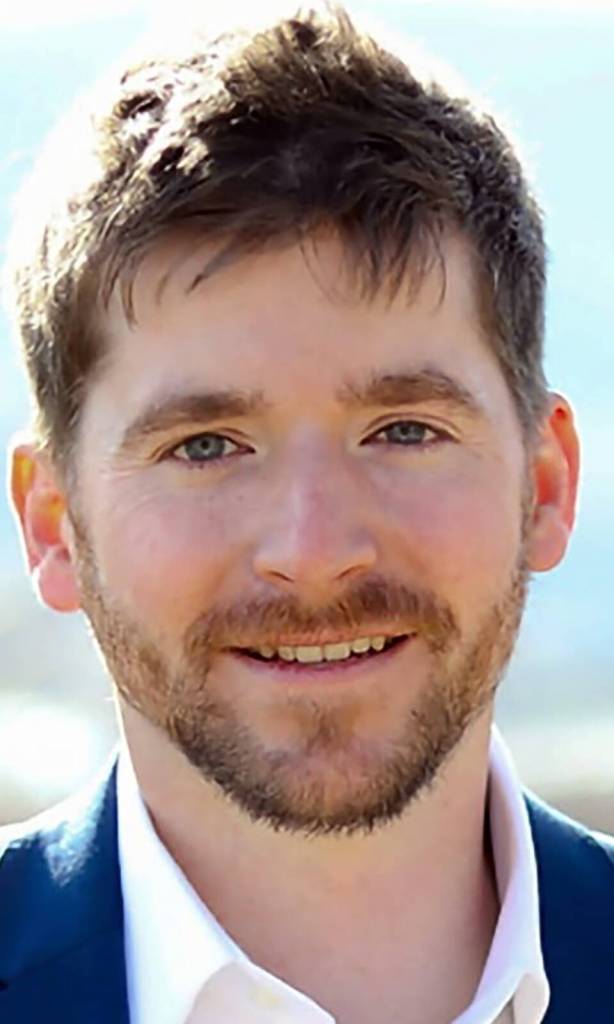
Spencer Meline
Meline, 37, owns three restaurants in Leavenworth. He lives in Cashmere and is running as a Republican.
If elected, Meline would prioritize supporting small businesses, lowering the cost of living and stewardship of public lands, he said in a July 21 interview.
To help small business owners in Washington, Meline would advocate on their behalf on the House Committee on Small Business, he said.
“None of our representatives sit on the Small Business Committee,” Meline said. “I feel like, as a small business owner, I would just love to have somebody advocating on our behalf.”
Washington has the lowest small business survival rate in the country, he said. In 2024, Washington’s small business survival rate was 59.2%, the lowest in the nation, Forbes reported.
On affordability, we have to give inflation time to go down, Meline said.
“In 2020, we had a massive pandemic roll through the nation, right? We shut everything down, and as a result we injected trillions of dollars into the economy to keep things afloat,” he said. “We had a runaway inflation period and I feel like we’re just now starting to pull ourselves out of that whole mess.”
The national inflation rate initially went down in 2020, then peaked in 2021 at about 7%. The rate went down year-over-year, reaching 2.7% in 2025, but has since risen back to 3.5% in June 2026.
Also, to help with affordability, the country should be investing in cheaper energy alternatives, Meline said.
“You get cheap energy, and that’s going to, you know, across the board fix a lot of issues,” he said. “I think we should look at modernizing what we have and we should look towards the future. You know, innovation, solar, fusion — I think that’s going to be our ticket out of this.”
District 8’s public lands have been mismanaged, Meline said.
“We just need active stewardship,” he said. “We’ve taken this hands-off approach and it doesn’t necessarily work in a world which man has already meddled in.”
The logging industry in the early 1900s cleared the area and replanted trees too close together, Meline said. Now, wildfires spread more easily, he said.
“We need to do a better job of preventative measures, I believe, as far as wildfire reduction, right? More prescribed burns,” Meline said. “We have so many decommissioned roads as well. Getting those back operational so these crews can get in.”
For immigration, Meline supports following the laws in place but is open to changing them if its the will of the people, he said.
“We have legal pathways for immigration,” Meline said. “We shouldn’t allow illegal entry at all, and if there are issues with barriers to entry, to get into this country, that are, you know, unreasonable for some people, those are the conversations we need to have.”
The country relies on immigration, he said. “I would be 100% open to having conversations across the aisle about how we can reform things to make it better for everybody.”
To improve healthcare, Meline said the country should rely on the private sector.
“I think there are some small things we can do right now to implement some positive change,” he said. “Price transparency is a huge thing. There shouldn’t be a huge discrepancy between somebody with insurance and without insurance.”
He would also support making healthcare premiums tax deductible, Meline said.
Meline is endorsed by the Snohomish County Republican Party and King County Republican Party.
As of Friday, he reported $126,516 in campaign contributions, according to federal filings.
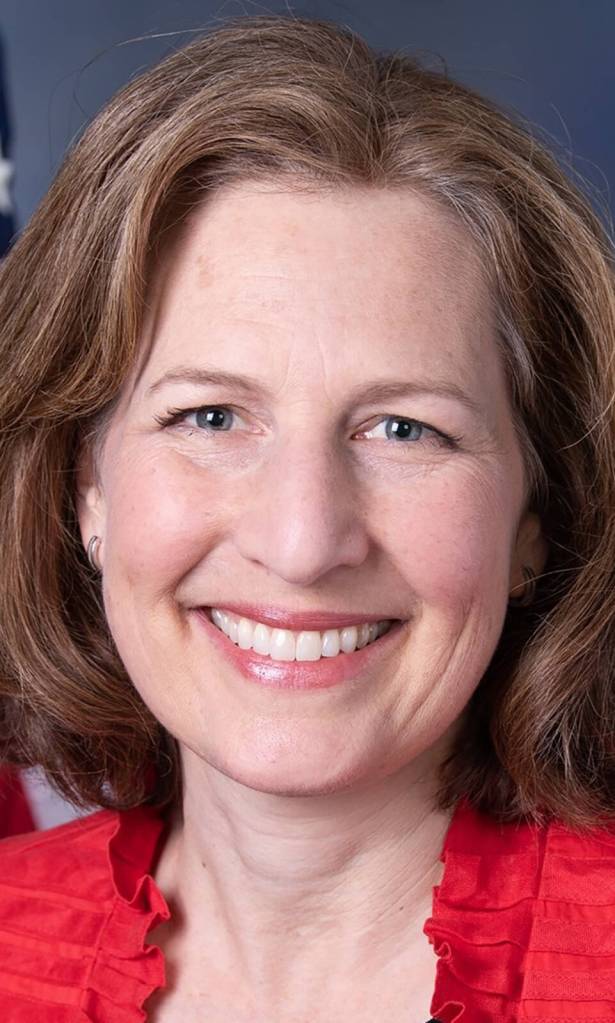
Kim Schrier
Schrier, 57, is a Democrat and is seeking her fifth term as District 8 representative. She lives in Sammamish and, before becoming a full-time member of Congress, worked as a pediatrician.
If reelected, Schrier would focus on affordability, improving healthcare and putting “people back in the driver’s seats of their own lives,” she said in a June 8 interview.
To help lower the cost of living, Schrier is going to introduce a bill to temporarily suspend the federal gas tax and one that prohibits oil and gas companies from gouging customers during an energy emergency, she said.
“I was part of the group that brought seniors $35 a month insulin, and I am planning on extending that to the rest of the population, and then doing the same for inhalers and EpiPens,” Schrier said.
She is also against grocery store companies consolidating to monopolize the market, raise prices and “further lowball all of the orchardists; the farmers that I represent,” Schrier said.
To improve healthcare, Schrier said she wants to fund more community health centers and school-based health clinics.
“With the Republican cuts to Medicaid and to Affordable Care Act tax credits, more and more people are going to need to rely on community health centers,” she said.
A federal budget bill passed in 2025 cut $1.1 trillion from Medicaid and the Affordable Care Act, according to the Congressional Budget Office.
To “put people back in the driver’s seats,” Schrier said she will fight against the corporations and the wealthy that are in control now.
“We have an administration that is not serving the public,” she said. “This president is serving himself, and the degree of corruption and self-dealing and pay-to-play that has put the big guys in control of everything, and really left the average Washingtonian feeling like kind of a pawn in a bigger system.”
With the rise of artificial intelligence, we don’t own our data, Schrier said. Insurance companies say what doctors people can see and what procedures are allowed, she said.
“Decisions should not be made by big behemoths. They should be made, in the case of healthcare, by doctors and patients,” Schrier said. “In the case of what we do with our data, we need regulations to protect people and their data and how that data is used.”
On immigration, a new system is needed that respects the laws, borders and the “dignity and humanity of immigrants,” Schrier said.
“What is happening right now, with this administration terrorizing immigrant communities, vilifying them, casting them as criminals and making them into scapegoats and targets is horrifying,” she said.
On the environment, Schrier supports the development and deployment of clean energy technologies, especially nuclear fusion, she said. Also, she will partner with the Forest Service to “both mitigate the risk of catastrophic wildfires and to fight them,” Schrier said.
Schrier is endorsed by the Washington State Labor Council, Snohomish County Labor Council, Washington State Building & Construction Trades Council, Washington Farm Bureau and the Planned Parenthood Action Fund, among other organizations and elected officials.
As of Friday, she reported just over $3 million in campaign contributions, according to federal filings.
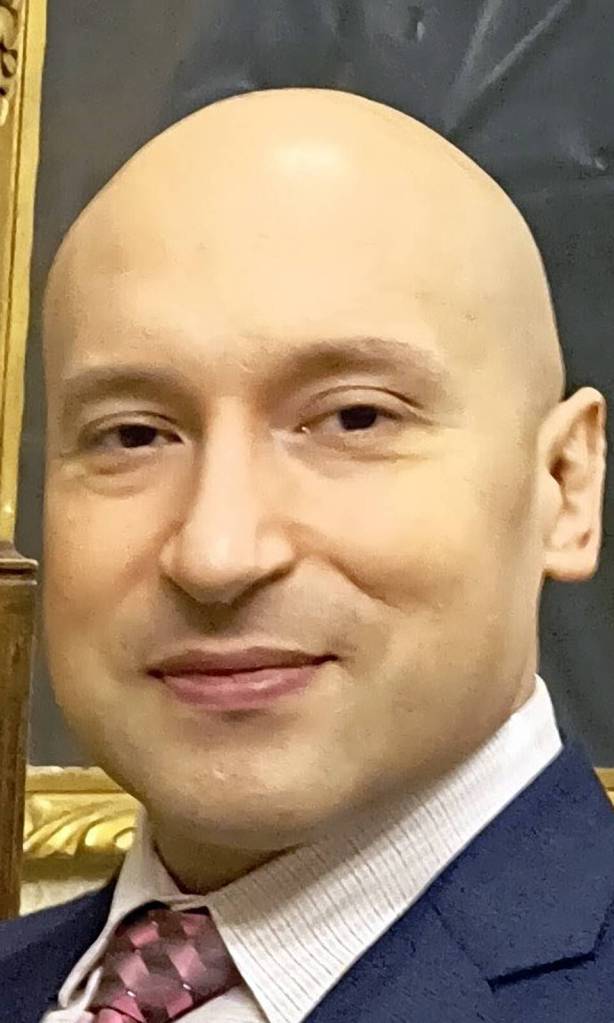
Andres Valleza
Valleza, 42, works as a teen group home and school counselor. He has also worked in law enforcement as a parole officer. He lives in Everett and is running as a Republican.
If elected, Valleza would focus on justice, affordability and personal and governmental accountability, he said in a May 22 interview.
He wants to bring “teeth back to justice,” Valleza said.
“One of my big campaign promises is to bring in federal prosecution for violent gang and gun crimes,” he said. Real justice demands consequences and compassion done right, Valleza’s campaign website says.
To make things more affordable, Valleza supports lowering taxes, he said.
“I’d really like to work on capital gains tax reform and having that eliminated from home sales,” Valleza said. “A big thing to me is to get more single-family housing.”
Valleza also said he supports tax-free Social Security, tips and overtime.
Accountability means personal transparency, Valleza said. Governmental accountability means no longer spending on programs that aren’t effective, he said.
“Me being full disclosure, transparent and a man of my word. Something I’ve always been,” Valleza said. “When it comes to cleaning up some of these programs that may not be as effective as they should be, is using congressional oversight and investigation to look into these programs.”
If a program is actually working, then it doesn’t need to be touched, he said.
“A program shouldn’t take decades to show progress,” Valleza said. “We want to make sure there’s some metrics; we want to make sure that things are working effectively and efficiently.”
On immigration, Valleza said the system isn’t perfect but it’s important.
“We need to work on it,” he said, “but when it comes to immigration, it is important to have those systems to do it the right way.”
It’s important to have a process and respect that process, Valleza said.
When it comes to health insurance, he said more competition would be better.
“Deregulation, again, that’s going to be a longer-term plan because on the state level they do a lot of the regulations,” Valleza said. “The insurance is one aspect of it; working on streamlining healthcare, I think, is going to be the more direct way at a federal level that I’d want to be working on. Let’s cut out the needless processes.”
To help protect the environment, Valleza wants energy production to be reliable and clean, he said.
“When we’re putting in energy infrastructure, first of all, we want to make sure that it’s safe, that the infrastructure is there so that if something goes wrong they can handle it,” Valleza said. “We also want to make sure that the community is benefiting from it.”
His primary focus would be to invest in nuclear fusion energy production, he said.
Valleza is endorsed by Latinos United for Conservative Action, among others.
As of Friday, he reported $22,088 in campaign contributions, according to federal filings.
Taylor Scott Richmond: 425-339-3046; taylor.richmond@heraldnet.com; Bluesky: btayokay.bsky.social