Signature Dish: At European Deli Svitlana, borscht is pure comfort
Published 1:30 am Friday, January 12, 2024






No two people make borscht the same way.
It’s a personal thing. Olga Gershaft remembers coming home from school every day to her grandma’s borscht, served with a slice of traditional black bread. In the part of Ukraine where she grew up, they often ate it with garlic: both in the soup and on the bread.
The dish was “something we’d always have,” she said.
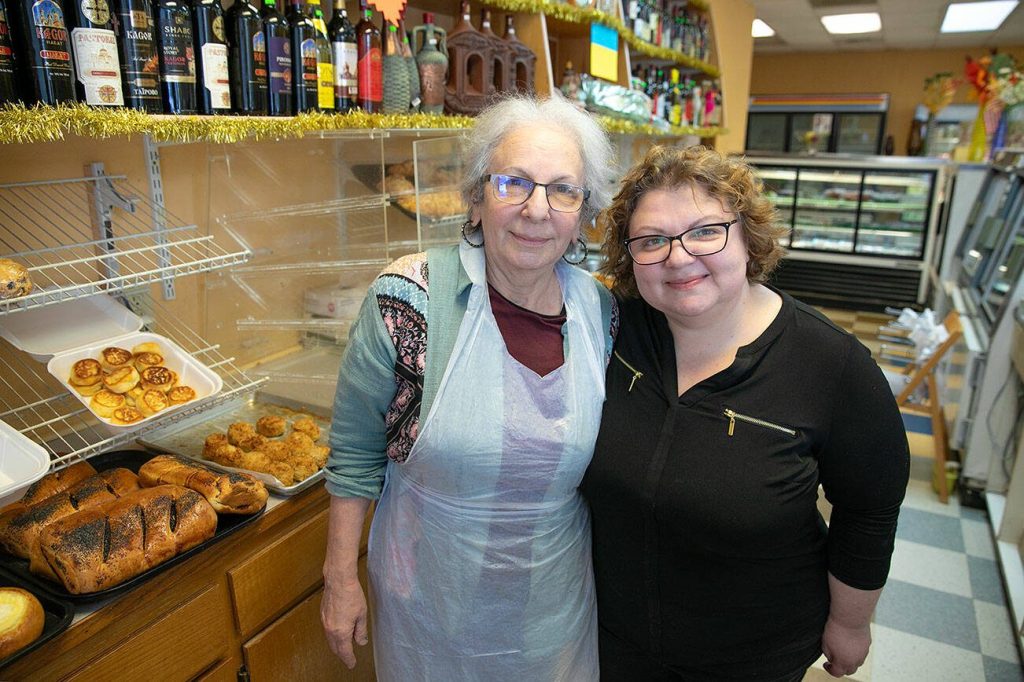
Walking into Everett’s European Deli Svitlana feels like stepping into that world.
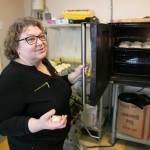
Gershaft’s mom, Galina Braynina, opened the store in 1997. The pair now run the deli together.
Behind the unassuming storefront off Everett Mall Way, you’ll find just about any Eastern European treat you can imagine.
There’s the rows of jars: whole pickled tomatoes, cabbage leaves, an assortment of pickled cucumbers. There’s heaps of candies, a freezer full of ice creams, shelves laden with dry goods like cookies, grains and sunflower seeds. There’s specialty snacks like Gold Fish; not to be confused with the crackers, they’re actual dried fish.
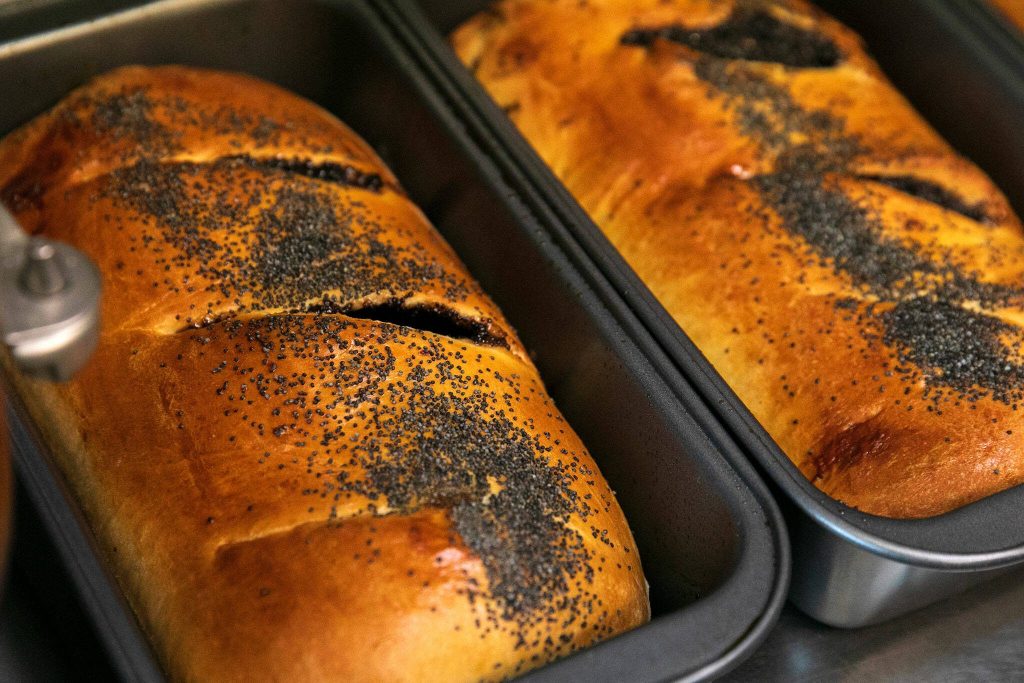
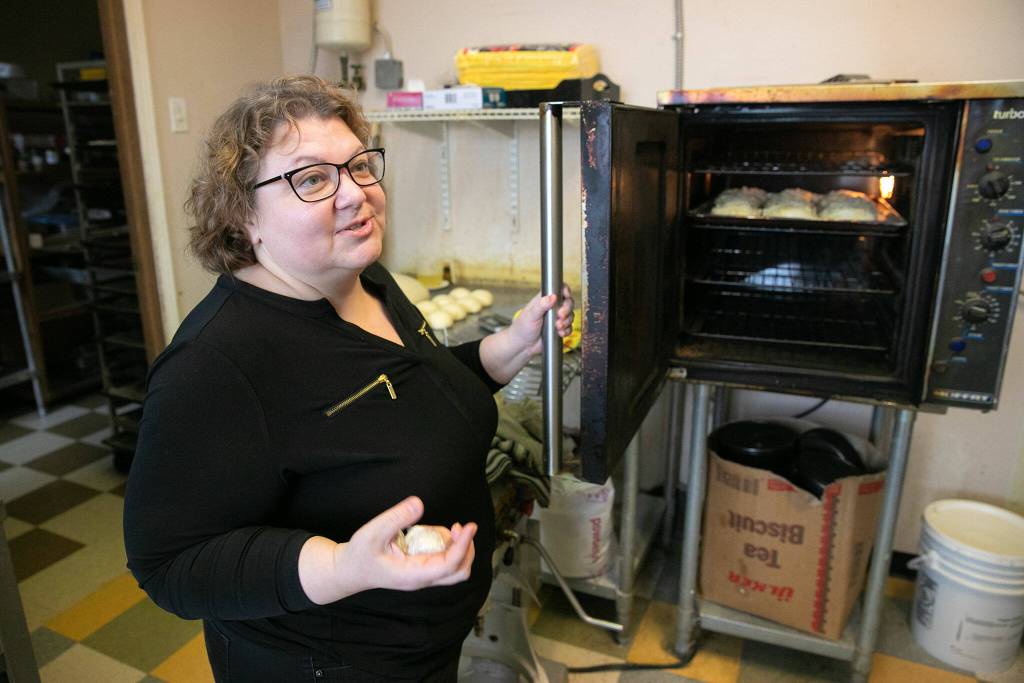
At the counter, where you’ll often hear customers ordering in Russian, there’s still more options: cured meats, fish and an abundant selection of house-made baked goods.
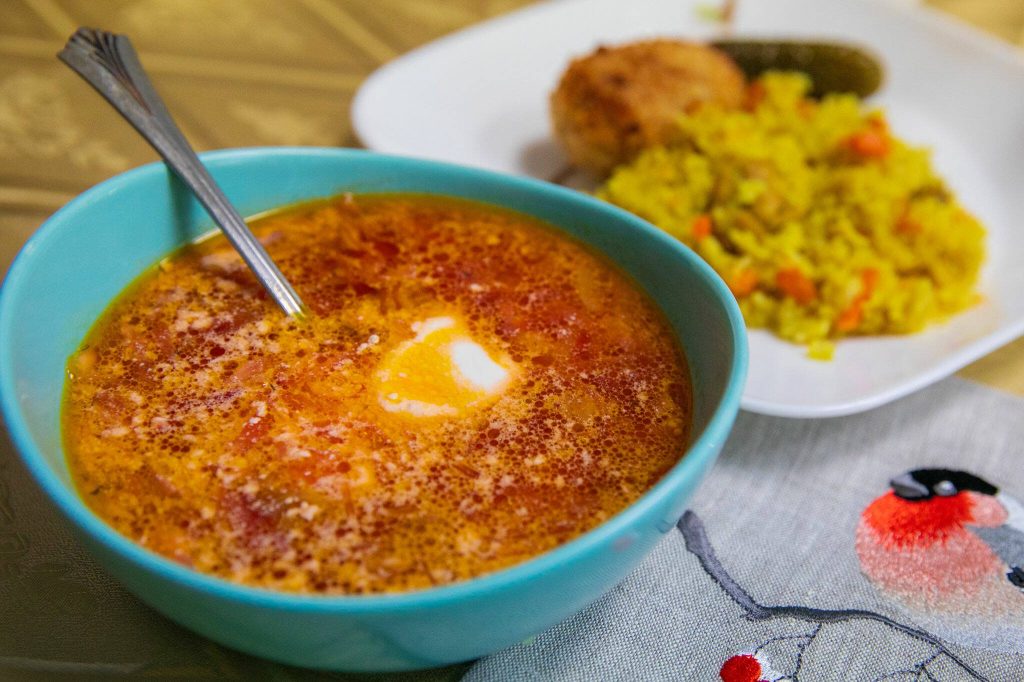
Borscht, the famously colorful Eastern European beet soup, is sold out of a fridge next to dishes like stuffed cabbage leaves and the popular Soviet-era salad known as “herring under a fur coat.” The deli also recently started offering dine-in seating.
For many who shop at European Deli Svitlana, borscht is a staple food reminiscent of home, wherever that may be. A big pot of the soup, made in-house, sells out within a week.
‘Curious about the world’
When Gershaft looks around the store, she sees her parents’ labor of love. The original location was “a tiny hole in the wall” across the road from where they are now on Everett Mall Way, she said. Her dad worked on the floors in the current building and built the deli’s tiered display cases.
In 1997, there were very few stores in the area that sold Eastern European goods, Gershaft said. She remembers her parents driving to the airport at 2 a.m. to pick up products they’d ordered from New York — at the time, she said, there weren’t distributors to deliver products any closer.
Gershaft’s family came to the States from what was then the Soviet Union in 1989, when she was 12 years old.
The culture shock was jarring at first, especially at school. In the Soviet Union, classroom culture was very strict. Students were only allowed to speak when they raised their hands. Gershaft was amazed at how free American students were to interact with each other and the teachers.
She loved it. After a childhood behind the Iron Curtain, she was fascinated with everything around her.
“Growing up in that contained environment makes you so curious about the world,” Gershaft said. To this day, she is passionate about travel.
Later, when her mom opened the deli, Gershaft was in college. She studied literature at the University of Washington and then went to law school at Seattle University. Over the years, she would come back to help out at the store every so often. In 2007, she started helping to run it and went full-time in 2011 to be closer to family.
Family and tradition are part of the fabric of the store. Some of the baked goods on display near the entrance are made with Gershaft’s grandma’s recipes. One is a classic Napoleon cake, a dessert featuring layers of pastry and custard cream.
Others use recipes once standardized by the government of the former Soviet Union. Those include korzinki, or “baskets:” jam tarts piled high with marshmallowy meringue.
In the deli’s early days most customers were Russian-speaking, but these days a wider range of people come in. An expansion of the dessert offeringsin the early 2000s drew in more diverse clientele. People also hear about the deli through its website, which is only a few years old. Customers come from a variety of cultures, each seeking their own tastes of home: Middle Eastern, Eastern European, German.
Then there’s “foodies,” Gershaft said. “People just interested in various foods.”
And, with the addition of dine-in options, the store is still expanding. Though Braynina’s been at it for over two decades now, she has no plans to retire.
“I can’t,” she said. “This is my baby.”
Gershaft agrees.
“My mom has always been there from day one,” she said. “She’s the one who is the mother of it all.”
Soup of a thousand faces
The deli’s borscht recipe will vary depending on who happens to make it — recipes vary with region, family and personal taste.
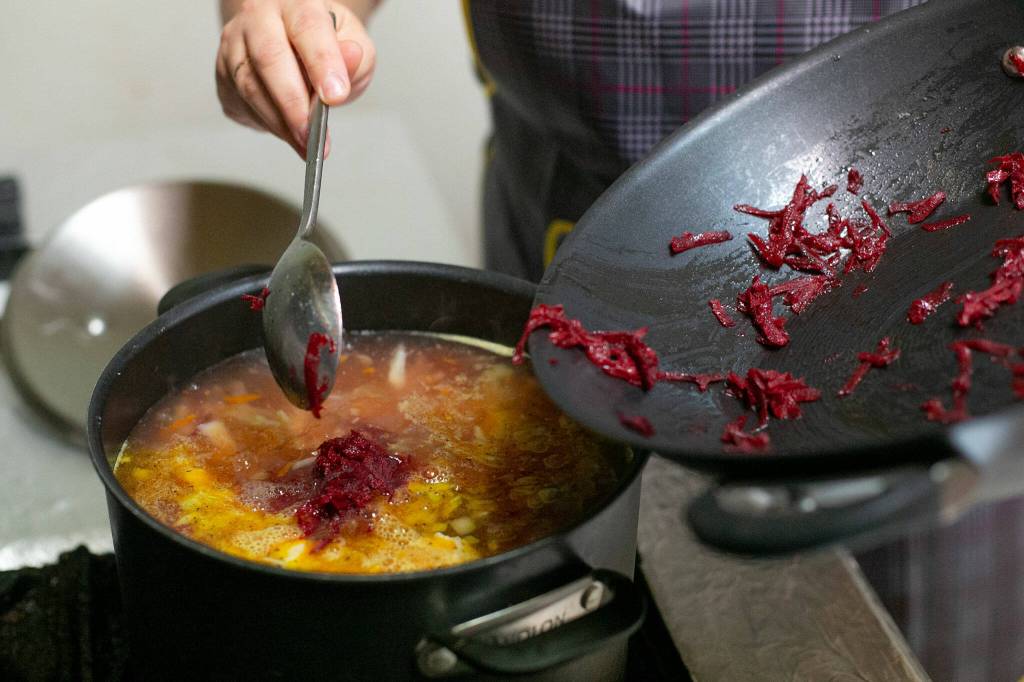
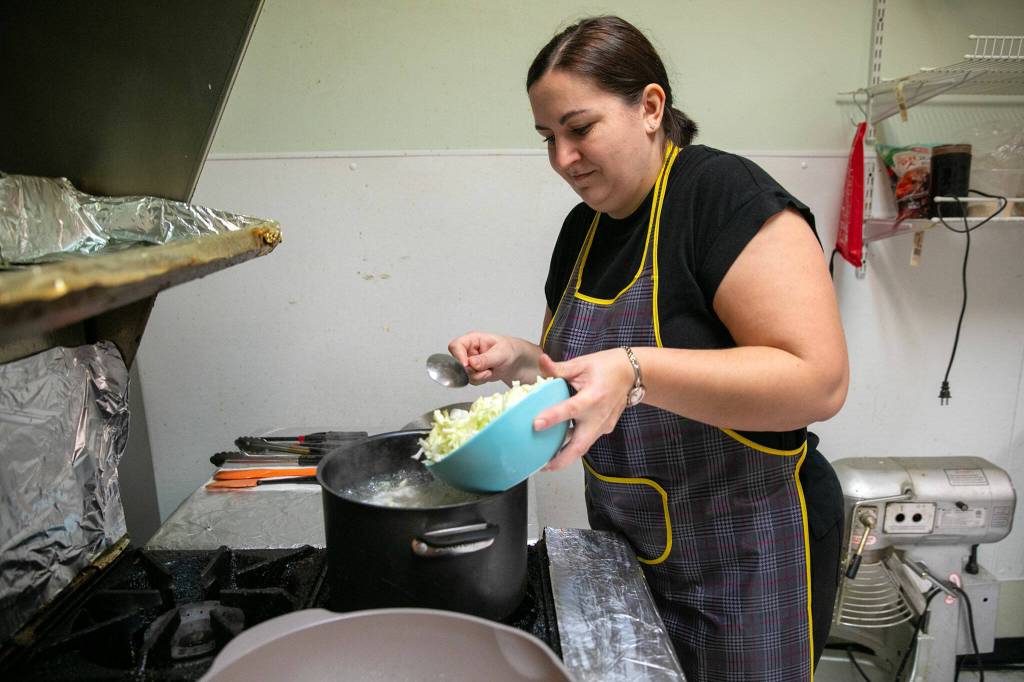
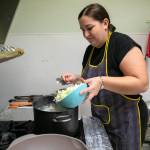
On a Thursday in October, staff member Ivanna Tomashevska stood over the stove making the borscht the western Ukrainian way. Regional differences are slight: eastern Ukrainian borscht is more vinegary and concentrated, Gershaft said.
The soup starts with a simple stock. Though some borscht recipes contain other kinds of meat, the deli’s soup is made with chicken. Pieces of meat left over from the scratch-made stock float in the broth.
From there, hearty root vegetables add texture and flavor. Buttery-soft potatoes meld with the sweetness of the onions and carrots and the mildly acidic tomato base as it all comes together.
Beets give the soup its signature bright red color, but they don’t overwhelm the taste. The soup is brothy and mild, lightly flavored with savory chicken. It’s the ideal comfort food for a rainy fall day, served steaming hot with a dollop of sour cream on top.
Try making it yourself — even adjust to your tastes — but come to European Deli Svitlana to let the experts take over. They’ll always be there to welcome you, just the way family does.
European Deli Svitlana’s Borscht
For soup:
8-10 cups vegetable or chicken stock
4 medium Yukon Gold potatoes, peeled and diced into ½ inch cubes
2-3 carrots, peeled and sliced or shredded
3-4 small or medium beets, peeled and sliced or shredded
For flavor base:
1 large onion, finely chopped
1 yellow, red or orange bell pepper, finely chopped
½ small (6-ounce) can of tomato puree or 2 tablespoons tomato paste
4-5 garlic cloves, minced
½ head green cabbage, shredded
Salt, pepper and dill to taste
To make the borscht:
1. In a large soup pot, combine vegetables and stock and bring to a boil. Reduce heat to medium and cook until potatoes are easily pierced with a knife, 10 to 15 minutes.
2. Combine all flavor base ingredients except cabbage in a lightly oiled pan and cook 10-12 minutes.
3. Add cabbage, cook 5 minutes, add flavor base and adjust seasoning to taste. Serve hot with a dollop of sour cream and extra dill on top.
Sophia Gates: 425-339-3035; sophia.gates@heraldnet.com; Twitter: @SophiaSGates.
Sound & Summit
This article is featured in the winter issue of Sound & Summit, a supplement of The Daily Herald. Explore Snohomish and Island counties with each quarterly magazine. Each issue is $4.99. Subscribe to receive all four editions for $18 per year. Call 425-339-3200 or go to soundsummitmagazine.com for more information.