Editorial: Robinson smart choice to head Senate budget panel
Published 1:30 am Tuesday, September 26, 2023


By The Herald Editorial Board
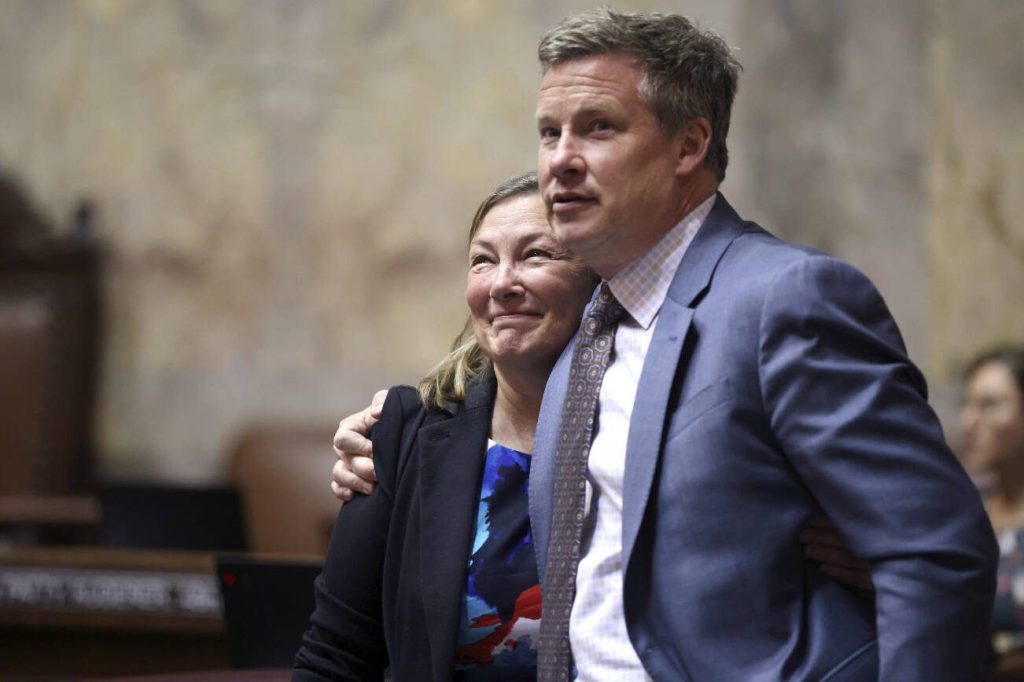
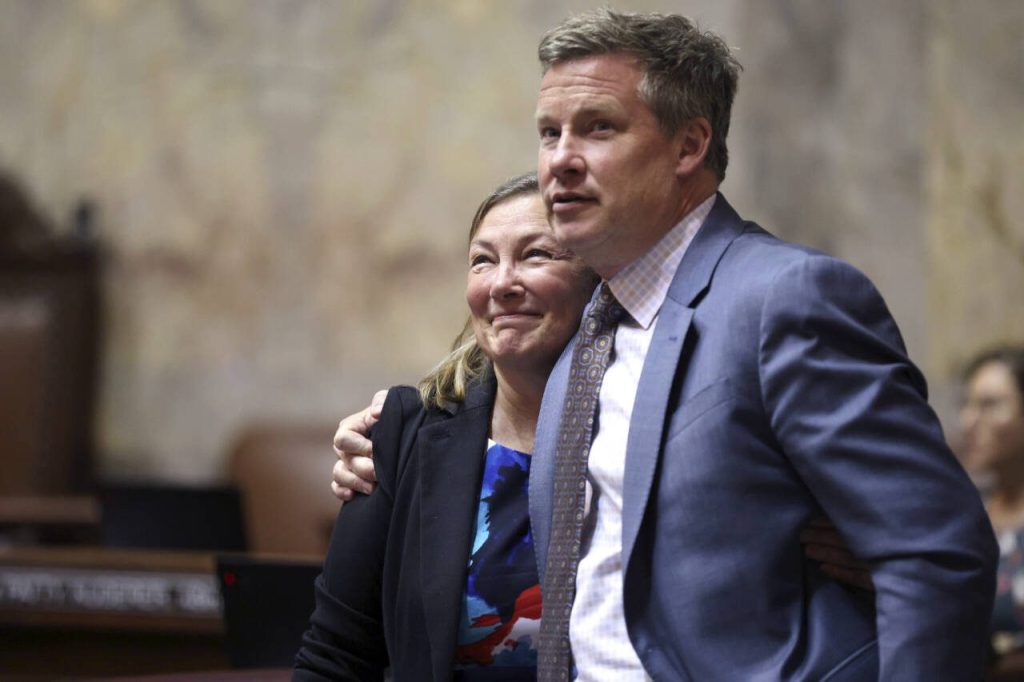
State Sen. June Robinson, D-Everett, reacted to her appointment to chair of the Senate’s Ways and Means Committee, with the humility expected from a veteran lawmaker who has worked effectively behind the scenes on policy and budget goals, in the Senate and in the House.
“It’s an honor that the caucus trusts me enough to do this job,” Robinson told the Washington State Standard’s Jerry Cornfield last week when the appointment was announced.
More than being trusted “enough,” her Senate colleagues likely view Robinson’s promotion from vice chair to chair as recognition of her negotiation skills and past legislative success on budget issues, and as a choice made in anticipation of the challenging debates ahead for state lawmakers.
Robinson will succeed Christine Rolfes, who left the Senate in June following her appointment to Kitsap County’s board of commissioners. Robinson will head the committee responsible for drafting and adopting budgets and developing tax policies, setting the “ways and means” of state government revenue and spending.
Robinson has represented the 38th District, which includes Everett, Marysville and Tulalip, for 10 years, appointed to fill a vacancy in the House in 2013 when Rep. John McCoy moved to the Senate, then following McCoy again after his retirement, with an appointment to the Senate in 2020.
Among recent successes cited by the Standard, Robinson is credited with crafting legislation passed this year that provided hospital nurses a greater role in determining minimum staffing levels, after an agreement satisfying hospitals and nurses couldn’t be reached the year previous.
Robinson also drafted legislation this year that reformed an earlier attempt by lawmakers to resolve a state Supreme Court decision that found the state law on drug possession unconstitutional. Unable to find consensus at the end of the regular session — during the Legislature’s 120-day budget session — lawmakers, during a special one-day session, turned to a Robinson-sponsored bill that drew largely from an earlier bill she drafted.
The legislation provided much of what many local officials were seeking in providing police and social workers more leverage to lead those into treatment by making drug possession a gross misdemeanor. It also increased access to pretrial diversion programs and allocated $63 million for treatment and other programs, among other provisions.
Even with her vice chair duties in the Senate, Robinson successfully shepherded a number of bills on budget, tax and good government legislation, including the consequential capital gains tax, upheld this year by the state Supreme Court; a near-unanimously accepted business and operation (B&O) tax exemption for low-income energy weatherization projects; expanded coverage and reforms to the state’s paid family medical leave act and increased transparency of primary care expenditures, again by near-unanimous approval in Senate and House.
While next year’s session isn’t a budget year, Robinson will lead the committee considering a supplemental budget. There’s also opportunity for the committee to review proposals for tax reform that were considered by a bipartisan, bicameral committee, the Tax Structure Work Group, which released its report at the end of 2022.
Robinson, prior to her re-election last year, told the editorial board, she thinks reforms to the state’s long-criticized business and operation taxes are most likely to get attention in coming sessions, although there’s appetite for reductions to property taxes, the state’s sales tax or both. Robinson, at the time, said she was leery of the revenue hits the state might take in such reforms, but said she was open to considering proposals.
Of more immediate budget issues, Robinson told the Standard, are better funding of a state behavioral health system that is facing bed shortages, a growing demand for treatment and a lawsuit by nearly two-thirds of the state’s counties over a lack of treatment for patients charged of crimes but considered unfit for trial.
Add to that, issues of aid and grants for affordable housing, funding for public schools and a possible reevaluation of the state’s carbon cap-and-invest program, which auctions carbon allowances to polluters and uses that revenue for a range of investments in energy, community equity, reducing pollution and making significant headway toward combating climate change.
Some have blamed the auctions, which have brought in more revenue than expected, for increasing the cost of gasoline and diesel in the state, prompting calls for a reconsideration of the program and a rebate for drivers.
Robinson said significant changes to the program would be difficult during a supplemental budget year but are likely to be discussed. The Legislature this year already mapped out $2.1 billion in investments for this year and next from the program. But Robinson’s committee will have work ahead with other committees to consider future investments and potential modifications to the auctions.
Noting the work ahead of Robinson and the leadership skills the position demands, it’s not that her colleagues trust her “enough” but that they have considerable confidence in her ability to succeed.