U.S. 2 highway safety advocates meet today
Published 11:27 pm Monday, September 8, 2008
MONROE — Backers of U.S. 2 safety improvements are set to meet today in Monroe, as they continue to raise awareness about the dangerous highway.
Everybody is encouraged to attend the meeting organized by the Washington Traffic Safety Commission, said Angie Ward, a spokeswoman for the agency.
“It’s an opportunity to make a difference,” Ward said.
The commission has held monthly meetings since state officials designated the highway as a safety corridor in March. The designation makes federal money available for engineering, enforcement and education efforts for U.S. 2.
At today’s meeting, “a lot of focus is going to be on public information and education,” Ward said.
Brochures and napkins have been distributed to people and businesses to promote safety along the narrow, winding highway. A message printed on a napkin reads: “Stay Alert. Stay Alive.”
Drivers can make the highway safer, said Donna Strom, 60, of Gold Bar. Strom suffered serious injuries in an accident on U.S. 2 a few years ago when her pickup truck was rear-ended by a van. The van’s driver apparently wasn’t paying attention, she said.
“Accidents are caused by people,” she said. “The road can contribute, but the driver is the one behind the wheel.”
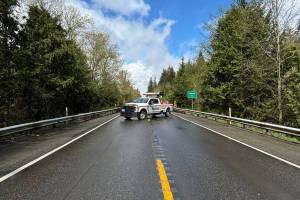
The safety corridor designation covers a 65-mile stretch of U.S. 2, including the heavily-traveled trestle near Everett. A total of 157 accidents ended in deaths or disabling injuries along U.S. 2 between Everett and Stevens Pass from 1999 to 2007, according to the state Department of Transportation.
Since 1999, 50 people have died in crashes along U.S. 2 between Snohomish and Stevens Pass. Of those fatalities, 18 occurred in crossover collisions.
The highway’s safety problems have drawn attention from state leaders, including Gov. Chris Gregoire.
“We finally have legislative awareness on U.S. 2,” Strom said. “It’s been ignored for many years.”
Overall improvements for U.S. 2 are expected to cost more than $2 billion, according to Department of Transportation estimates.
Reporter Yoshiaki Nohara: 425-339-3029 or ynohara@heraldnet.com.