Bothell neighbors conserve with rain gardens
Published 1:30 am Friday, September 7, 2018


By Katie Metzger / Bothell-Kenmore Reporter
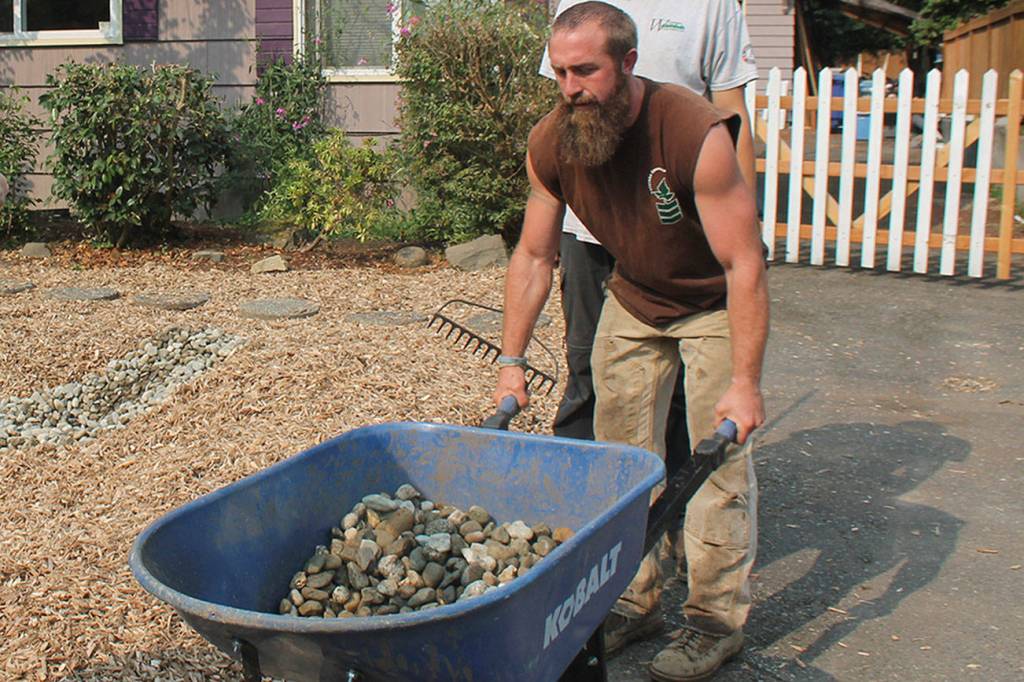
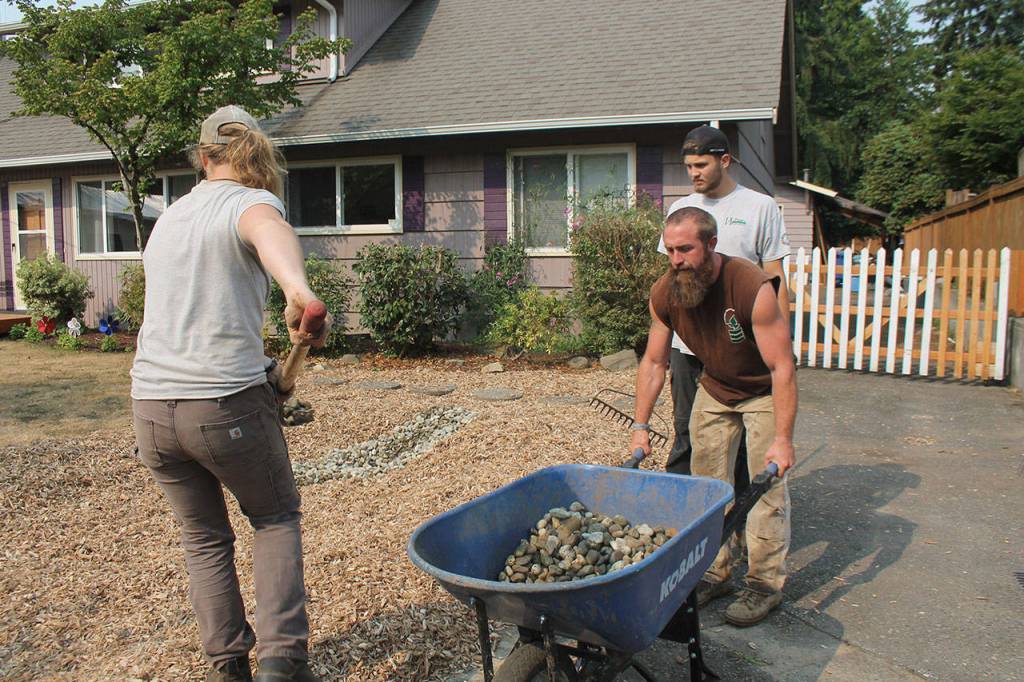
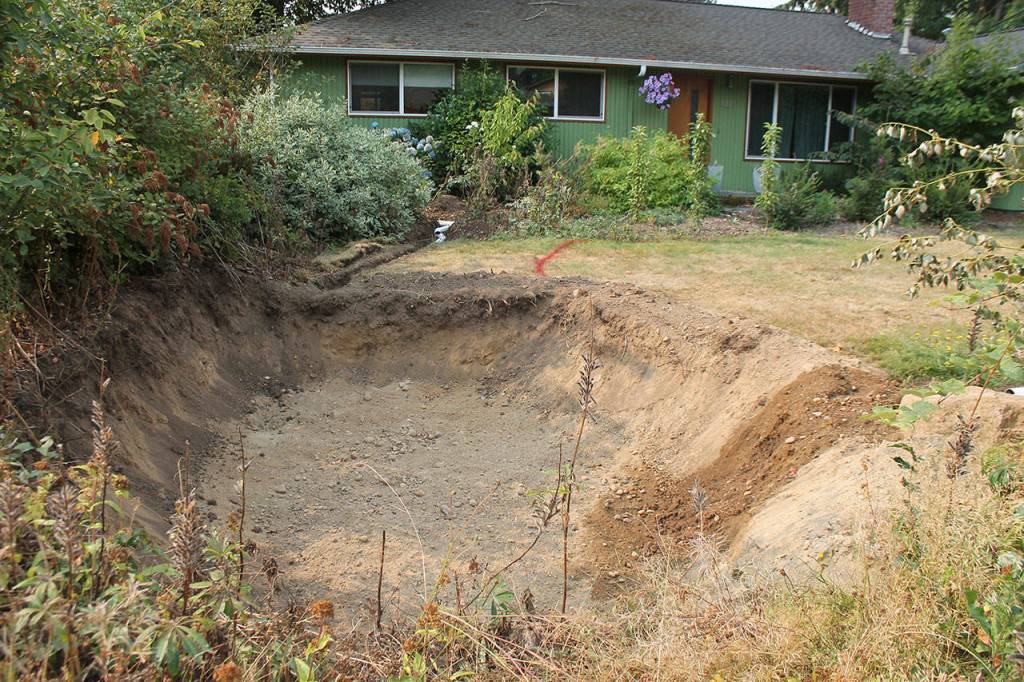
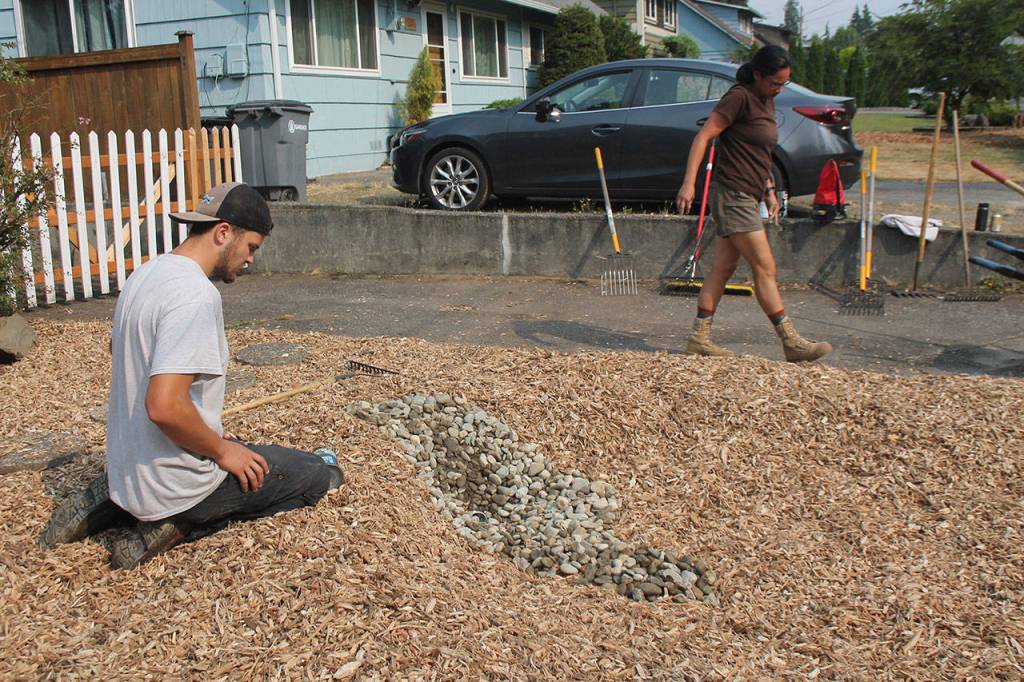
BOTHELL — The Snohomish Conservation District is partnering with King County and the city of Bothell to install a cluster of four rain gardens in the neighborhood behind Bothell High School.
Alicia Kellogg, a project coordinator for the district, said the goal is to build momentum for more projects like this. Rain gardens are “cheaper and more beautiful” than other stormwater options, she said.
To get others involved, the district will host a volunteer planting party, where it will provide gloves, tools, refreshments and a chance to win a free rain barrel. The event is set for 4 to 6 p.m. Oct. 11 at 89th Avenue NE and NE 187th Street.
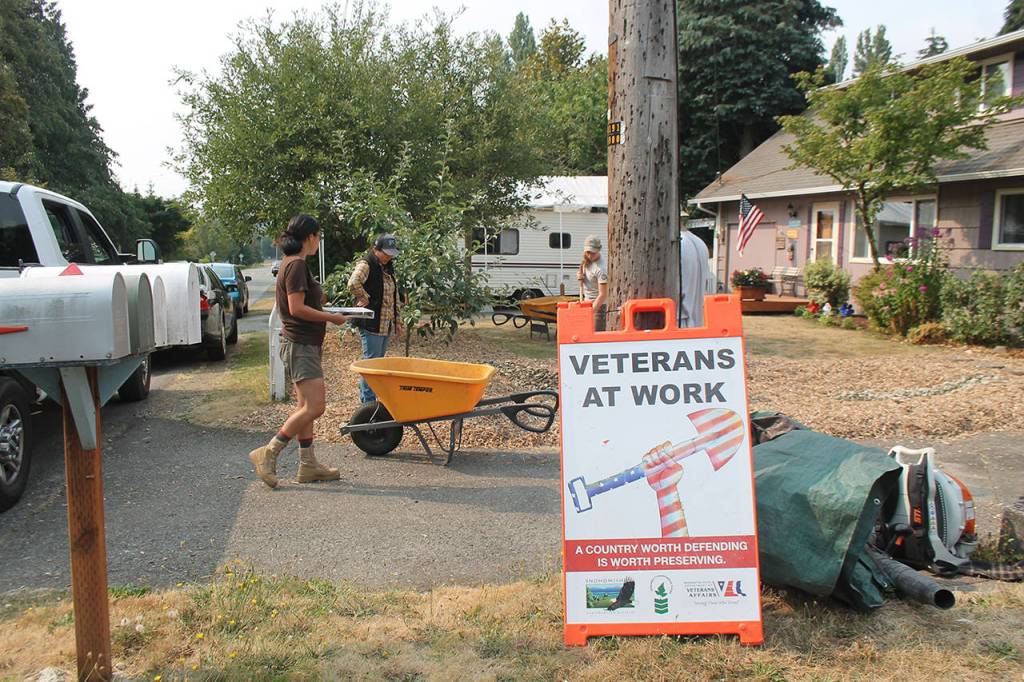
The gardens in Bothell are being installed for free, except for the cost of plants, and the work is being done by the district’s paid crew of military veterans, along with some AmeriCorps members from the Washington Conservation Corps.
A rain garden is a landscaped area that collects, absorbs and filters stormwater runoff. The ones in Bothell might run up to 200 square feet in size.
The gardens help keep storm drains and sewer systems clear of rain and stormwater runoff, which can sometimes contain pesticides, fertilizers and other pollutants, Kellogg said. These can end up in streams, wetlands, lakes and Puget Sound.
“The more we can keep water on the property and let it absorb at a natural rate, the better it is for the environment,” Kellogg said.
For more information about rain gardens, contact ccteam@snohomishcd.org.
This story originally appeared in the Bothell-Kenmore Reporter, a sibling paper of The Daily Herald.