Edmonds neighbors push back against Lynnwood sewage plant upgrades
Published 1:38 pm Wednesday, March 4, 2026
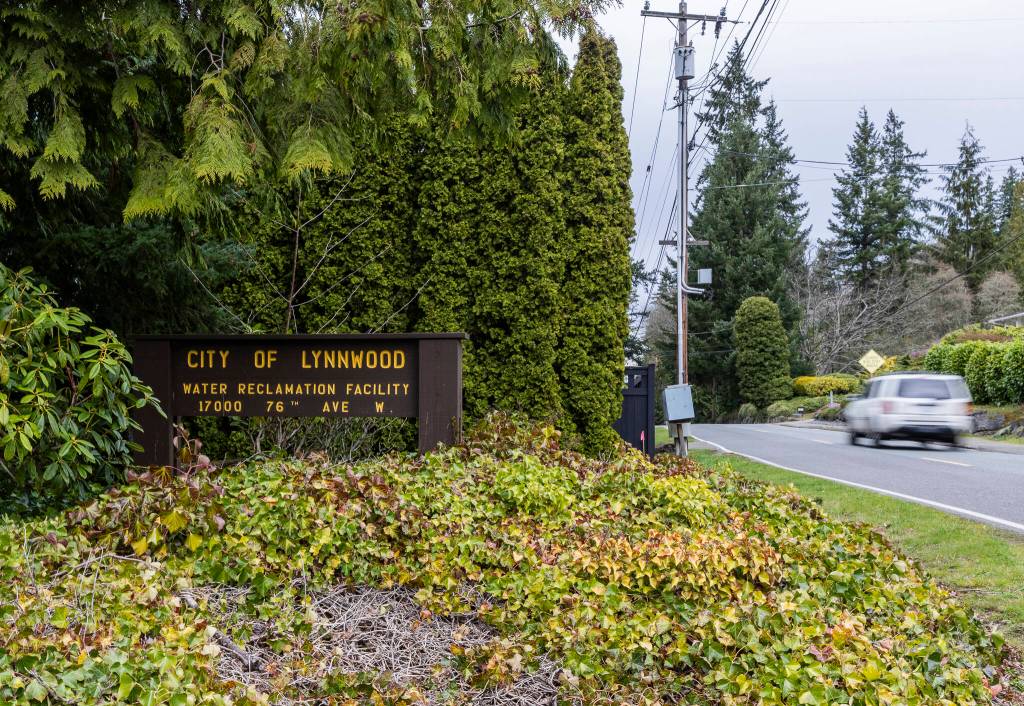
EVERETT — Lynnwood staff presented to the Edmonds City Council on Tuesday a plan to upgrade its sewage plant that has sparked pushback from neighbors.
The Lynnwood Wastewater Treatment Plant is located at 17000 76th Ave. W, less than a mile from Lynnwood city limits but completely surrounded by an Edmonds residential neighborhood.
Over the past several months, neighbors of the treatment plant have raised concerns about the project, including a lack of communication from Lynnwood, potential damage to the environment and home devaluation.
The group of neighbors — now called the Community Alliance to Protect Edmonds — wants Lynnwood to build a new plant in Lynnwood city limits. The group wants the city to conduct further environmental review if it decides to move forward with the current upgrade plan.
“We are not opposed to the expansion of services,” said Lori Dressler, who has lived in the Meadowdale area for 30 years, at Tuesday’s City Council meeting. “We just think that steep, critical area ravine is the wrong place.”
Edmonds and Lynnwood have shared wastewater facilities in the Meadowdale neighborhood of Edmonds since 1965. The cities signed an official agreement in 1985 that is still in effect today. In 2024, Edmonds’ sewage accounted for 12.5% of the total sewage treated by the plant, Lynnwood Public Works Director Jared Bond said.
The plant was first built in 1962, 10 years before the Clean Water Act went into effect. In the 1980s, the city upgraded the plant twice to comply with the new regulations. It hasn’t been upgraded since.
“While the plant continues to function, we’re increasingly operating infrastructure that was never intended to last this long without comprehensive improvements,” said Ehsan Shirkhani, public works project manager for the city of Lynnwood.
In 2023, the U.S. Environmental Protection Agency fined Lynnwood $550,000 for “multiple instances of noncompliance” at the treatment plant. The issues stemmed from the plant’s sewage sludge incinerator, which exceeded air quality emission limits. In 2024, the city shut down the incinerator. Since then, the city has relied on an interim hauling operation, which the state ecology department allows as long as the city has plans to build a new system, Shirkhani said.
Residents have raised concerns that Lynnwood hasn’t fully explored options beyond upgrading the current site, such as building a new plant at the Lynnwood Municipal Golf Course. In 2021, a consultant for Lynnwood analyzed two alternatives: building an entirely new plant and connecting to Metro, a regional wastewater treatment system operated by King County. At the time, the consultant estimated both alternatives to be more expensive than upgrading the current site.
In 2021, the estimated cost of upgrading the current site was $208 million. As market conditions escalate, staff expect the cost to rise and will have a more accurate estimate by the end of the year, Lynnwood spokesperson Nathan MacDonald said Wednesday. Currently, Edmonds pays for about 11% of the plant’s capital costs, per the wastewater agreement. Lynnwood is working with consultants and Edmonds staff to evaluate what an updated agreement could look like, Bond said Tuesday.
While upgrading the current site has been Lynnwood’s preferred option since 2021, Bond said the city is going to revisit its analysis of the alternatives. If the city continues with the upgrades, staff estimates construction will be complete by 2034.
The city is also working on a design report for the project and will hold monthly workshops with Edmonds staff throughout the yearlong process, Shirkhani said.
Neighbors have said they want the city to conduct an environmental impact statement as soon as possible, citing the prior EPA violation and the sensitive geography of the area.
“The sewer plant sits in a canyon, a valley, and those of us who live in Edmonds know full and well the effects of the breeze coming off the sound,” said Edmonds resident John Quast. “Sometimes it can be very, very vigorous, and yet we have no indication that anybody’s looking at that as a carrier of residue effluents from the plant. We have neighbors who are having problems with smell and odor.”
The planning document for the project underwent environmental review in 2023, Bond said. He said it’s too early to do further review until the city determines a design.
“Without some level of design of a structure, we cannot analyze potential environmental impacts yet,” Bond said. “It would be premature. SEPA, for what we will be doing to the treatment plant, will happen. It has to happen, and we are going to comply with that.”
Although the project has been in the works since 2020, neighbors said they only learned about it after Lynnwood acquired two homes near the plant. In early 2025, the city bought one of the homes after it went up for sale. The city hired a consultant to enter into negotiations with the owners of the other home. In a letter, the consultant told the owners the city would use its right of eminent domain if they couldn’t agree on a settlement.
In January, Bond issued a public statement after citizens brought up concerns over the letter’s language.
“It was not the City’s intention to threaten, intimidate, or otherwise coerce the property owners into selling their property,” he said in the statement. “It was always the City’s intention to enter into this transaction with a willing seller, and the City had not taken any steps to engage in an eminent domain proceeding.”
The owners voluntarily sold their home, and the city paid them full market value plus moving expenses, Bond said.
Edmonds Public Works Director Andy Rheaume said he supports the upgrade project and the continued sharing of wastewater facilities with Lynnwood.
“If for some reason Lynnwood decides that they’re going to move their plant back to their city, we would have to manage that wastewater at that plant going forward for those 7,000 residents,” he said. “We can’t just reroute. … It’s an integrated system. All the pipes have to be redone. You have to have new pump stations. It’s a very big endeavor.”
Looking forward, Lynnwood staff said they are working on updating their public engagement plan to keep residents informed at key points throughout the planning and design process.
“The goal of this project is a cleaner, more environmentally responsible treatment process that meets regulatory requirements and the needs of the community while being financially responsible,” Bond said. “The decisions we are facing have far-reaching impacts that require us to look to the future. This is a regional facility that serves a very large community, and we will impact everyone in the Puget Sound. That’s a heavy responsibility, and one that I take very seriously.”
Jenna Peterson: 425-339-3486; jenna.peterson@heraldnet.com; X: @jennarpetersonn.