Backyard burn ban nixed — for now
Published 11:02 pm Thursday, February 28, 2008
SEATTLE — Regional air officials have extinguished a controversial proposal to ban backyard burning.
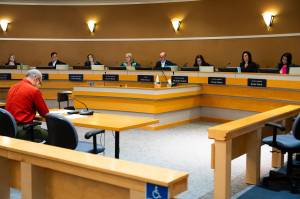
While approving a ban on land-clearing fires, the board of directors of the Puget Sound Clean Air Agency voted unanimously Thursday to delay a ban on yard debris fires in Snohomish, King and Pierce counties.
While making it clear that they want to ban such fires eventually, board members said reasonable and affordable alternatives don’t currently exist in some rural areas. The board directed staff to study the issue and report back in October.
“I’m not going to say it’s going to be in October, but at some point in the near future we’re going to have to bite the bullet and deal with it regionally,” said board member Mike Cooper, a Snohomish County councilman. “But I realize when we make that decision, we’re going to have to help the people deal with the debris.”
Opponents of the proposal flooded the Puget Sound Clean Air Agency with complaints. They alleged a ban would destroy their rural lifestyle and cost them money by forcing them to dispose of downed trees and branches with expensive chippers or by hauling them miles to transfer stations.
Lea Camero vocally opposed the proposal and was glad the board opted not to pass it. However, Camero didn’t think the board took all of her concerns seriously. She fears future rules will soon prohibit her from burning branches and blackberry vines on her property near Darrington.
“I’m thrilled that they’ve decided against it,” she said. “I couldn’t understand in the first place why they would do that to people.”
While the bulk of the comments the agency received on the proposal were from opponents such as Camero, several people fed up with smoke wafting into their yards urged the board to pass the proposal.
Outdoor burning accounts for about 6 percent of the region’s air pollution, according to the state Department of Ecology.
When Cooper was a boy growing up in Edmonds, his parents would burn clippings from their rose bushes in their outdoor fire pit. He said he understands the need to burn debris, but thinks the practice needs to stop soon to save the region’s air.
“As the population increases, we’re going to get to the point where we have to do an outright ban,” he said. “When the wind’s blowing from the southeast, the winds blow the burn pile smoke from the rural area right into the urban areas of Snohomish County. When we look across the valley from Everett the smoke drifts this way.”
The ban on land-clearing fires was much less controversial than the proposal to ban residential burning. That ban will prohibit developers from using fires to clear lots where they plan to build residential and commercial developments, effective July 1.
While the practice is seldom used, the ban will affect some contractors, said Mike Pattison, government affairs manager for the Master Builders Association of King and Snohomish Counties.
“It’s a rare practice, and it’s too bad the agency felt compelled to single out a small group,” he said. “We’re not sure what kind of positive effect it’s going to have, if any.”
Reporter Kaitlin Manry: 425-339-3292 or kmanry@heraldnet.com.