Marysville firm manufactures hip, urban aluminum railings, decks
Published 1:30 am Monday, November 7, 2016
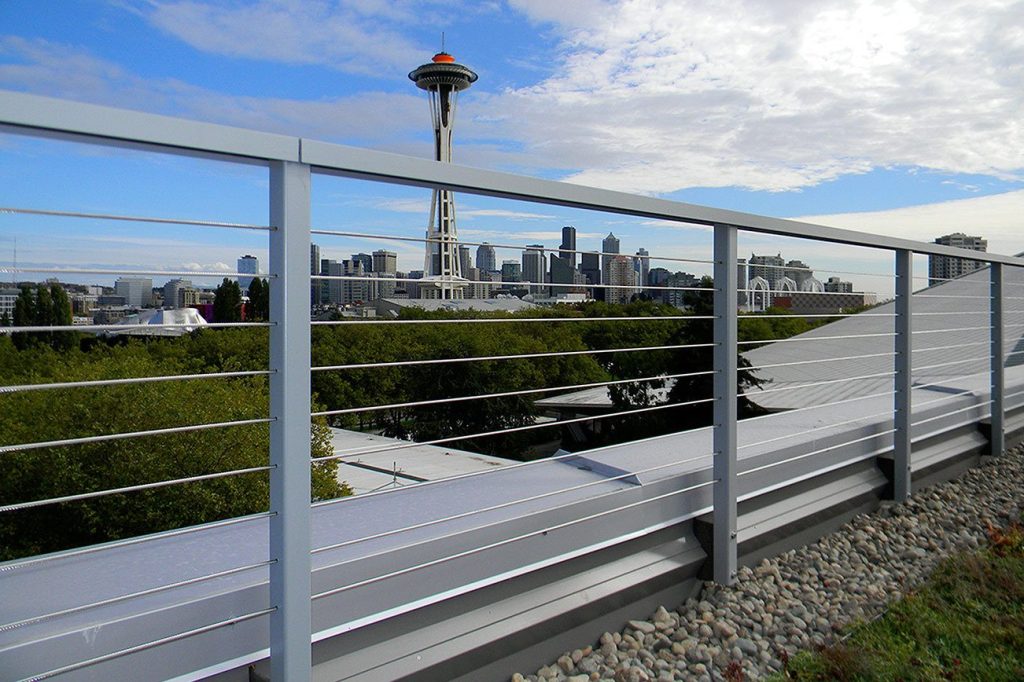
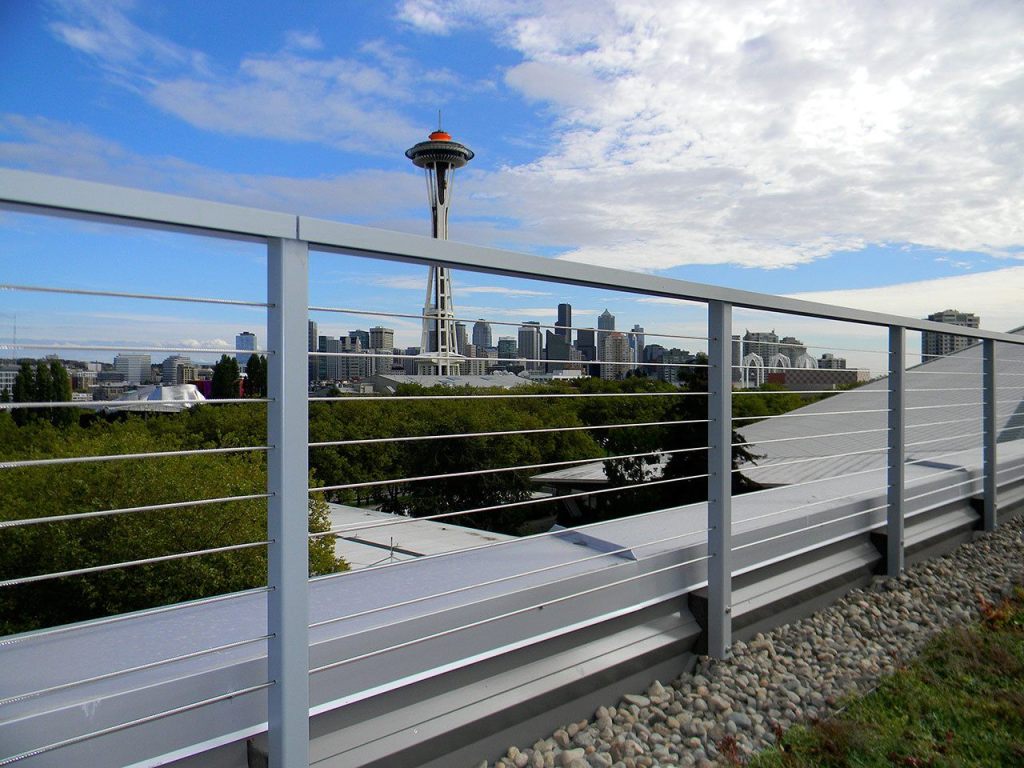
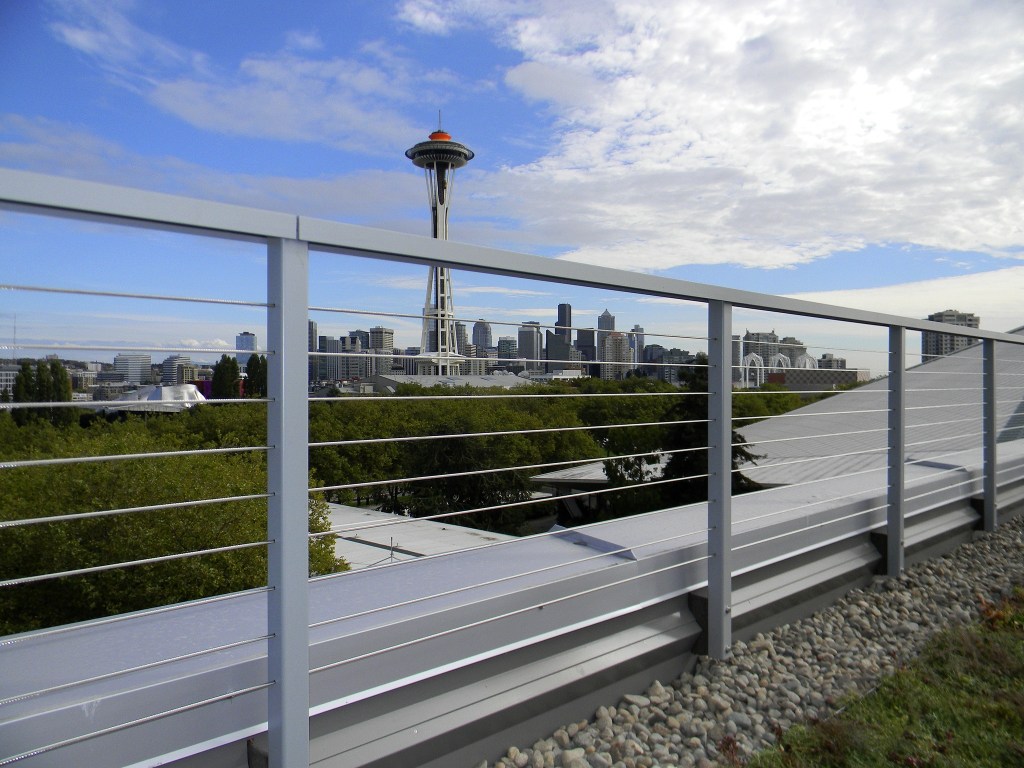
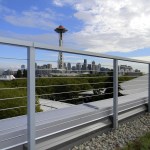
MARYSVILLE — Goodbye wooden railings and decks on condos.
So long steel-and-concrete balconies on high-rises.
Architects and builders in this region have moved away from wood — which can rot — and steel — which can rust — for decks, railings and balconies in new construction.
Instead, they’re using materials like light-weight, rust-proof aluminum to create out-in-the-elements pieces on new buildings.
A Marysville company has been on the forefront of this, fabricating and installing these decks, balconies, trestles and green screens across the Northwest.
“Whatever goes on the side of a high-rise building,” said Norman Singfield, president of Skyline Engineered Systems. “And we do it in aluminum so it doesn’t rust. That seems to be what’s happening here now in Seattle and has spread to Portland.”
There’s been an “evolution of techniques” to battle water intrusion, said Jeff Oaklief, an architect with Johnson Architecture and Planning in Seattle. His company does work up and down the I-5 corridor, including Library Place and Aero Apartments.
He agrees with Singfield that aluminum bolt-on-decking is becoming a more popular feature in new construction. He pegged it at about 90 percent of new decking on new construction.
“I would say the bulk of the balcony work that we do is aluminum bolt on decking,” Oaklief said. “It’s faster and cheaper.”
Now, Singfield wants to take what they’ve learned and start marketing these pieces to developers in other parts of the country.
He said it makes sense for condos and mixed-use buildings that are currently in favor in urban settings.
“Our market, when I analyze it, is driven almost entirely by the high-tech, IT industry,” Singfield said. “They’re all living down there. They’re millennials, they’re urban dwellers, they want to live in high-rise buildings. They don’t want lawns or dogs. They want to live in a big building, they want to go to work on mass transit, if necessary, and they want to pull down six-figures.”
He’s created a second company called Skyline Engineered Aluminum to supply and manufacture modular aluminum decking and railing and train contractors in other parts of the country to install the pieces.
His companies employ 100 people in Washington, Oregon and California. He thinks that this new venture means that he could add 15 to 20 new people in the first year with the potential of adding far more in the future.
“Once the toehold is in, it just depends on how much we push it,” he said. “How many resources we apply to it, how quickly we can expand the plant. We’re very hopeful this is quite a good business.”
Singfield, who is originally from Canada, got his start in the roofing industry. He shifted to the decking industry when he moved here and married his wife, Heidi.
In the 1990s and early 2000s, the Northwest suffered from what was known as the ‘leaky condo crisis’ where extrusions on the sides of condos rotted and caused damage to building exteriors and interiors, he said. The crisis involved multi-billion-dollar lawsuits.
He owned a company in Warm Beach, which was then called Skyline Decking, that built new decking, but moved into rehabbing rotten decking on condo projects around the Puget Sound region.
That often involved putting on vinyl or elastomeric, a kind of polymer, over wood.
About a decade ago, he noticed that he stopped getting contracts for large projects. Instead, architects and builders started using metal for decks and balconies.
He said those people realized that wood was a train wreck for decking. And while steel-and-concrete balconies weren’t as bad on high-rises, builders started moving to more lightweight materials like aluminum.
About a decade ago, he started looking into installing aluminum decking.
“When I felt that breeze, I moved,” he said. “Now at the time, it wasn’t that obvious, but something inside me said, ‘Whoa, I better shift,’ because I suddenly wasn’t building big complexes and rehabs anymore.”
At first, he bought pieces from a Canadian supplier and then he started buying pieces from a Minneapolis, Minnesota, firm. But he was dissatisfied with the products.
When the recession was beginning, Singfield took a chance and hired an engineer and a plant manager to help him start fabricating aluminum decks and balconies. Since then, the company has grown and added about 50 workers.
“Each one of these guys are like trained fabricators,” Singfield said. “They have to be able to think to construct what we’re building. We give them a blueprint. They have to think it through. … So they’re trained to design and build something and not just stand in an assembly line and weld.”
Skyline Decking moved three years ago from Warm Beach to its headquarters at 13421 39th Ave. NE in Marysville.
He said the advantage of aluminum other than it being rust proof is it’s a third of the weight of steel, but has two-thirds the strength.
It also is easily recyclable. His company takes on mostly custom projects for multi-story buildings.
He said it’s not feasible to do this for individual homes.
The next step is taking the modular pieces that the company is building and start market the pieces in other parts of the country. They’ve talked with builders in Boston and Utah and are making inroads in California.
“California is still waking up to how to do all of this,” he said. “They don’t get a lot of rain, but they get enough that buildings rot.”
Other companies around the Puget Sound region are making aluminum decking and railing. He said that his is the only company that he knows of that is vertically integrated — designing, fabricating and installing projects.
“I don’t think that any of them have the background like we do in the installation, which is kind of critical,” Singfield said. “You can learn about something, but, until you’re actually doing it, you’re not paying attention to all of the nuances.”