Boeing expands hours for Future of Flight and factory tour
Published 1:30 am Saturday, February 7, 2026
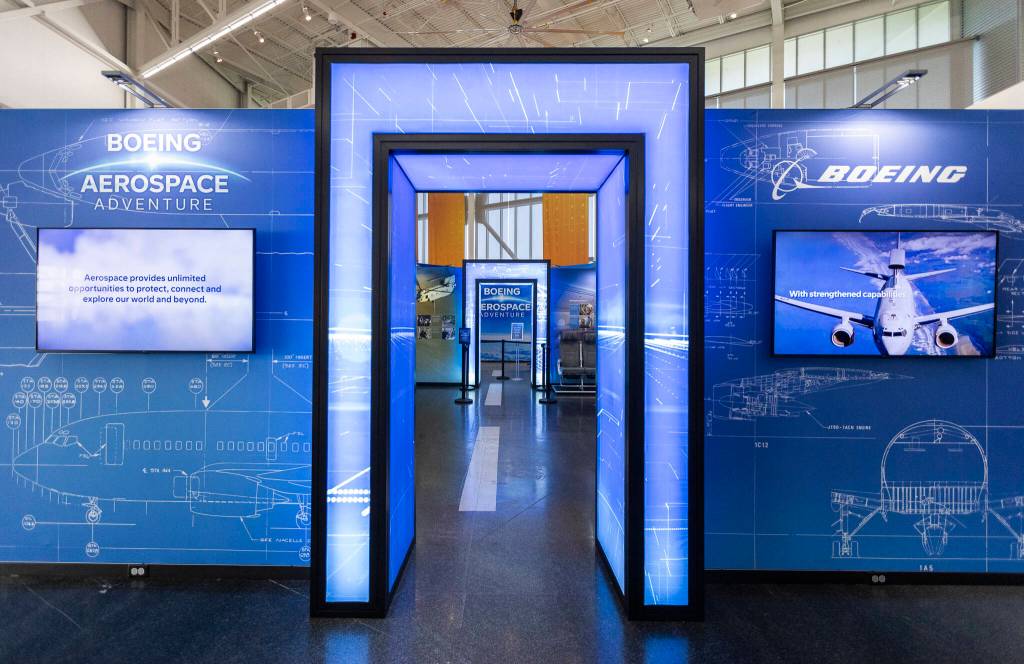
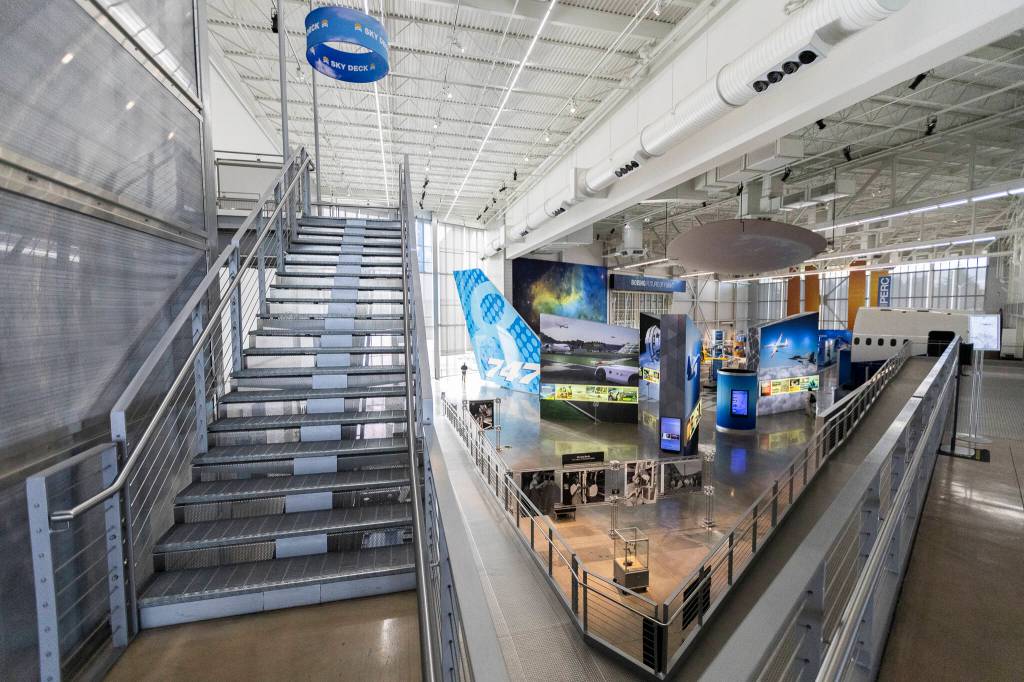
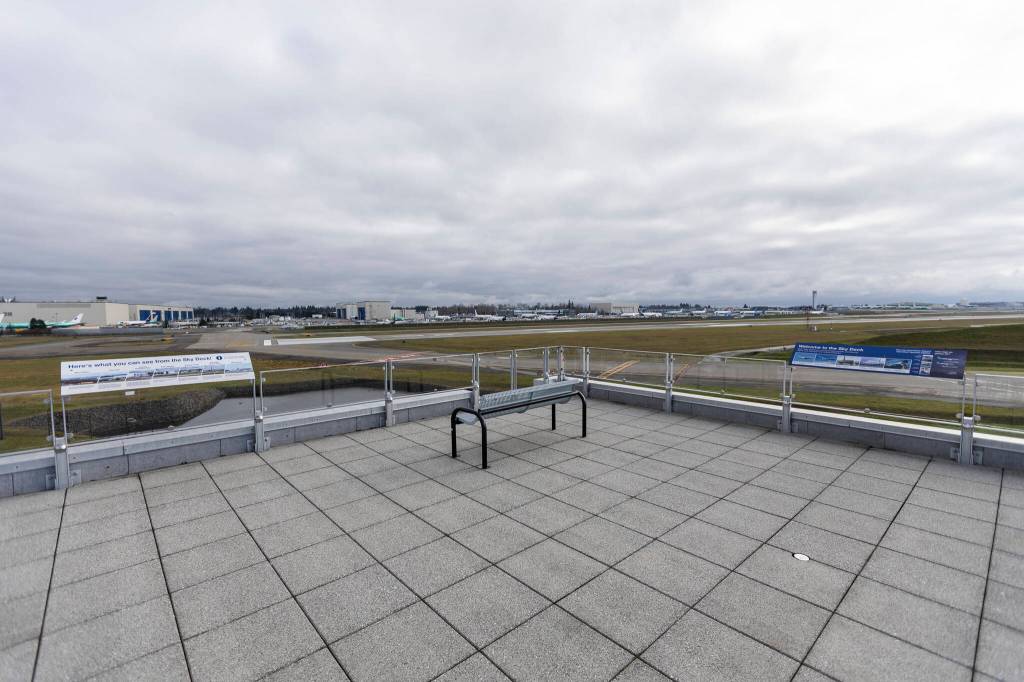
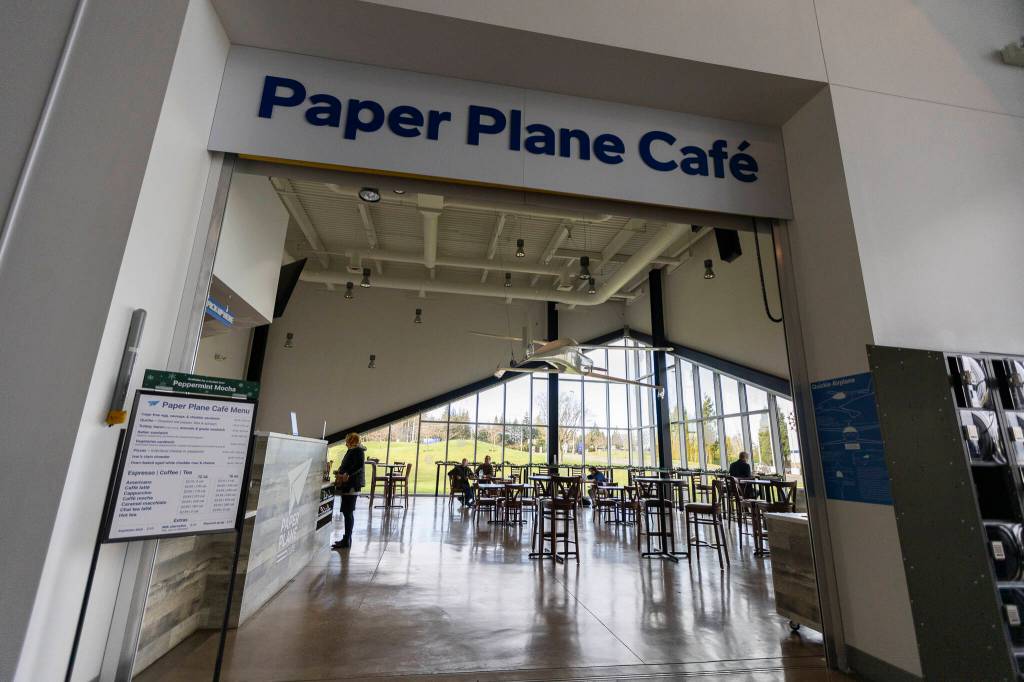
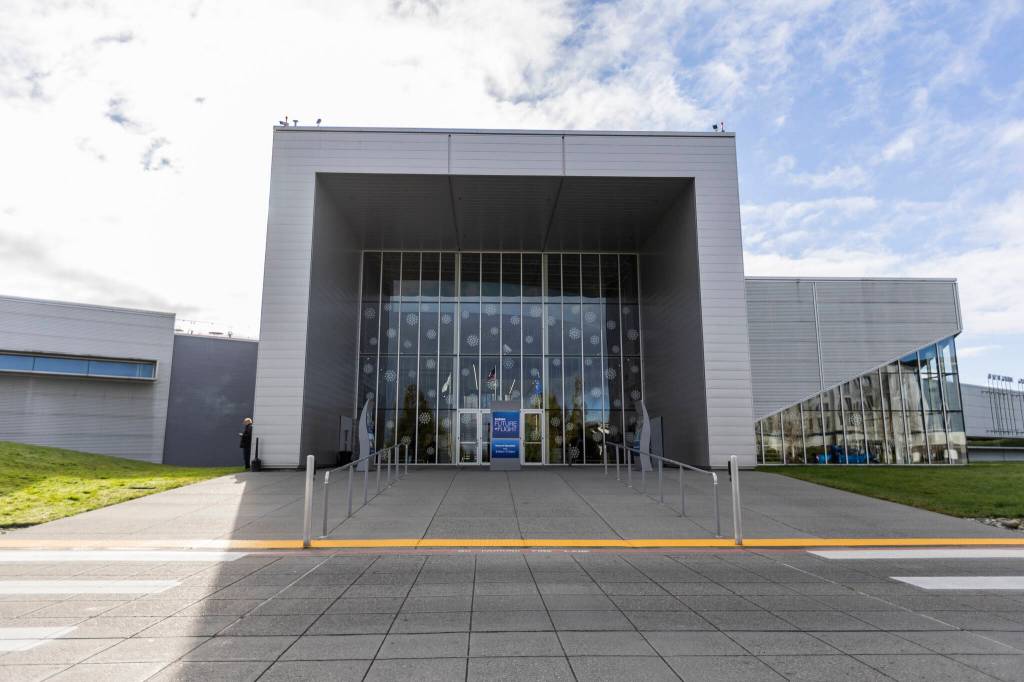


EVERETT — In an effort to attract more visitors, Boeing has expanded its Everett factory tours from five to seven days a week and added new exhibits to its Future of Flight aviation exhibit center in Mukilteo.
Expanded operating days began in July, ending closures on Monday and Tuesday for the factory tour and the exhibit center, said Boeing spokesperson Brandon Black. The exhibit center is the starting point for the Boeing factory tour, which showcases the world’s largest factory by volume. Visitors are bused between the two facilities.
The expanded days come as Boeing officials aim to boost attendance at the aerospace visitors center and factory tour, which never fully recovered from its closure during the COVID-19 pandemic.
The exhibit center and factory tour were open seven days a week before the COVID-19 pandemic.
The factory tour then closed from March 2020 to October 2023. The Future of Flight center, which also closed in March 2020, reopened in October 2020. The next month, however, it was ordered closed again due to a spike in COVID cases. It finally reopened in February 2021, but initially with limited capacity, following state and local health rules.
In 2024, attendance figures at the factory tour and aviation center totaled 141,000, according to numbers Boeing presented to Snohomish County, which owns the building that houses the Boeing Future of Flight center. But the factory tour was also closed for almost two months in the fall of 2024 due to a strike by Boeing machinists at the Everett and Renton plants.
That’s way down from before the pandemic. In 2019, Boeing officials reported 280,000 visitors in an Oct. 31 presentation to the Snohomish County Public Facilities District, with two months left in the year.
Boeing has yet to release its 2025 attendance numbers, but Black said they are continuing to improve.
“We continue to see visitation numbers rebound and are optimistic that we’ll soon see visitation return to those seen pre-pandemic,” Black said. 9
He said the COVID-19 pandemic has a long tail for the Boeing complex.
“Like many public attractions who saw visitation drop during the pandemic and in its aftermath, we weren’t immune,” Black said.
He said the seven-days-a-week operations should help Boeing capture a bigger share of World Cup visitors, with tourism expected to ramp up in the Puget Sound this summer. Six FIFA World Cup matches are scheduled for Seattle’s Lumen Field in June and July.
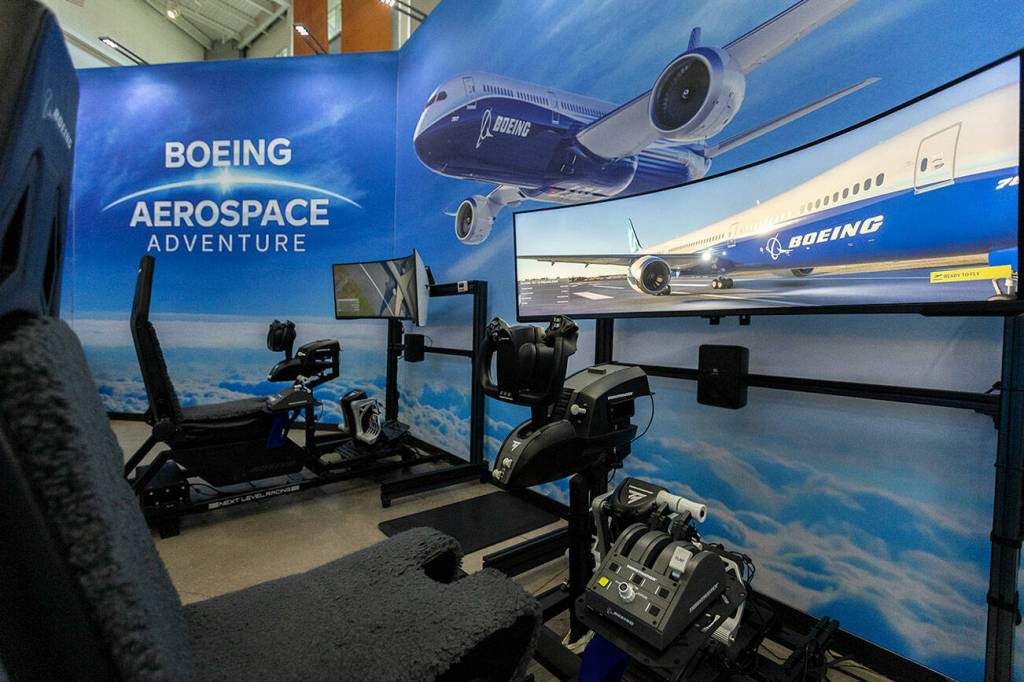
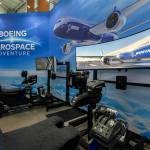
Black said Boeing has also added new exhibits as part of a reboot of the visitors center over the last year. They include flight simulators introduced in October that allow guests to either pilot a Boeing 787 Dreamliner or the Boeing F/A-18E Super Hornet, which Boeing manufactures in St. Louis for the U.S. Navy.
The widebody 787 Dreamliner was manufactured in the Everett Boeing plant until March 2021 when the aviation manufacturer shifted production to a new facility in South Carolina.
The flight center simulators use satellite imagery of the Pacific Northwest to simulate a realistic flying experience, said Tim Detweiler, an exhibit designer at the museum.
The five simulators offer a wide-screen experience.
“The screen is actually two or three times larger than an actual pilot simulator,” Detweiler said.
While it is designed for visitors, he said, professional pilots who have tried it say it offers a realistic flying experience.
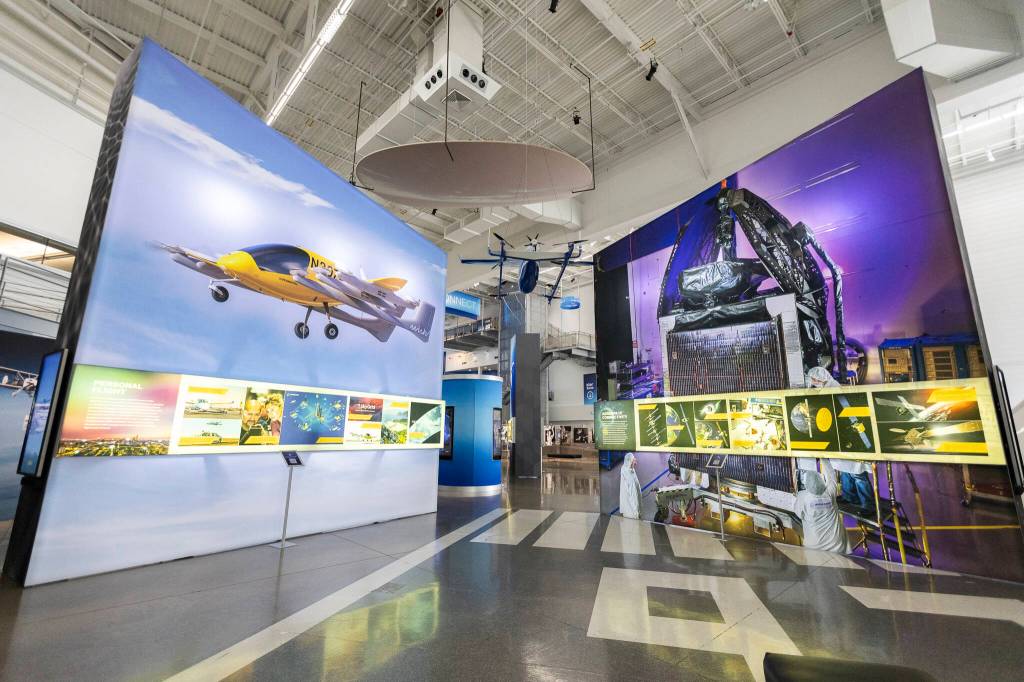
Another exhibit at the museum features display models of Boeing’s bright yellow, all-electric, autonomous air taxi, Wisk, which has yet to begin service.
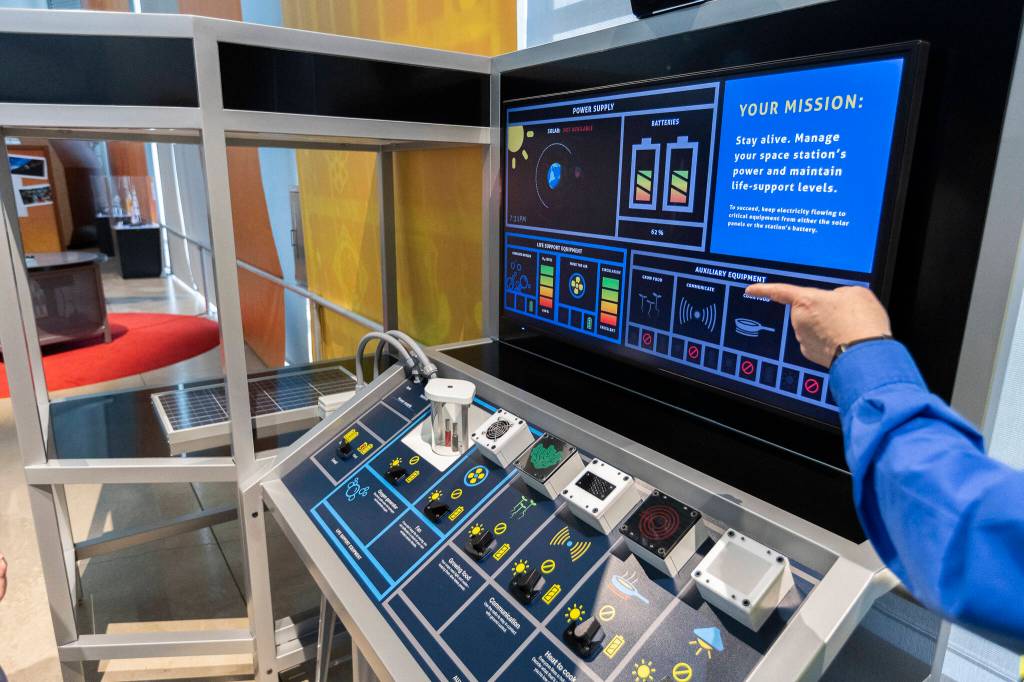
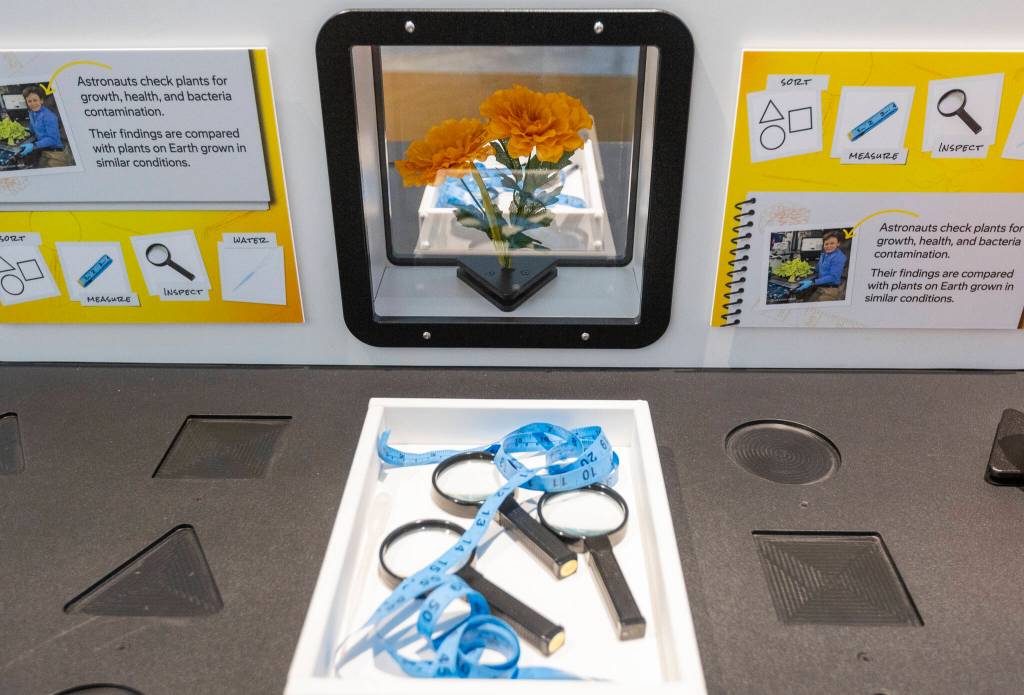
Also new is the engineering zone, featuring the work of Boeing engineers in space exploration. Boeing designed the International Space Station, which is supposed to be decommissioned in 2030.
Black said Boeing was also planning two new experiences in the Boeing Studio for later this year, but he said he could not currently offer specifics. The Studio currently houses a film featuring multiple screens that show the history of the Boeing 747.
The 747, the first widebody jet, was manufactured by Boeing from 1968 to 2023 at the Everett factory.
The Future of Flight exhibit center opened in 2005.
For years, it was operated by the Institute of Flight, formerly known as the Future of Flight Foundation. The nonprofit oversaw the center’s day-to-day operations, management and ticketing. It also marketed the Boeing tour.
But Snohomish County officials refused to renew the foundation’s lease when it expired in October 2018. Instead, the county signed a long-term contract with Boeing for the company to operate the facility directly.
It’s unclear why county officials made the switch.
Kari Bray, a spokeswoman for Snohomish County, in an email on Feb. 4, did not offer an explanation as to why the county decided to switch the facility’s management.
Prior to the switch, Boeing had leased 20 percent of the Future of Flight Center from the county, in order to maintain its desk for visitors to check in for the factory tour.
County documents show that Boeing pays more than $2 million a year to lease the facility and also receives more than $1 million from the state of Washington to fund operations and pay bond debt service on the $21 million county building.
Boeing would not release figures on how much it spends to run the facility.
Randy Diamond: 425-339-3097; randy.diamond@heraldnet.com.
A earlier version of the story incorrectly identified the name of Boeing’s planned autonomous air service. It is called Wisk.