Log In
Subscribe
My Account
Local News
Education
Elections
Environment
Northwest
Photography
Transportation
Sports
AquaSox
College Sports
High School Sports
Seattle Sidelines
Silvertips
Life
What’s Up With That?
Business
Opinion
Editorial cartoons
In Our View
Columnists
Letters From Readers
Contests
Best of Snohomish County
Classifieds
Jobs
Real Estate
Legal Notices
Submit a legal notice
Obituaries
View Obituaries
Place Obituary
Contact Us
eEdition
Home
Contact Us
Local News
Education
Elections
Environment
Northwest
Photography
Transportation
Sports
College Sports
High School Sports
AquaSox
Silvertips
Life
What’s Up With That?
Puzzles
Business
Opinion
In Our View
Columnists
Letters
Editorial Cartoons
eEditions
Contests
Best of Snohomish County
Weather
About Us
Social Media
Advertising Information
Advertising in The Herald Business Journal
Archive
Subscriber Center
Subscribe
FAQ
Herald Newsletters
Obituaries
View Obituaries
Place an Obituary
Classifieds
Jobs
Real Estate
Legal Notices
Submit a Legal Notice
Donate
Education Project Fund
Climate Fund
Health Reporting
Investigative Journalism Fund
Breaking News:
Everett police identify suspect in connection with stolen fire engine in July
Life
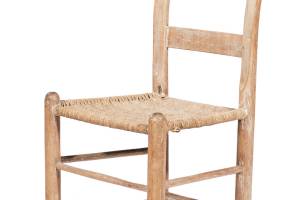
Cypress furniture still being used outdoors and in the garden
This 19th-century ladderback chair is made of cypress wood, which is rot-resistant, hard and durable.
March 5, 2021
Life
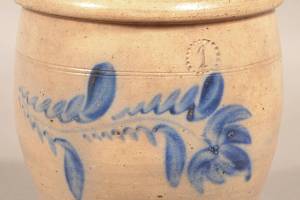
Stoneware crock ‘attributed’ to Daniel Shenfelder pottery
It was not definitely identified, but the auction house is has sold many Shenfelder Pottery works like it.
February 26, 2021
Life
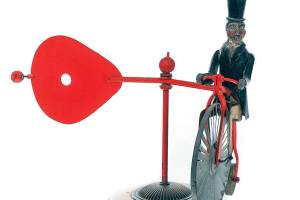
Teddy Roosevelt whirligig circa 1901 auctions for nearly $900
The figure of 26th U.S. president is holding a red counterbalance vane that turns the bike with the…
February 19, 2021
Life
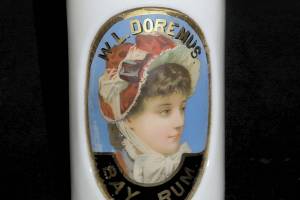
Glass-covered labels preferred for bottles made in 19th century
Makers liked to give products a permanent label, not just a pasted, handwritten or printed paper label.
February 12, 2021
Life
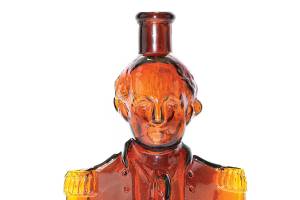
The Father of His Country inspired a $2,640 booze bottle
George Washington was honored with an amber bottle of “Simon’s Centennial Bitters, Trade Mark.”
February 5, 2021
Life
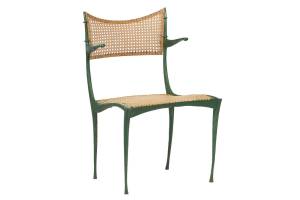
Dan Johnson chair made in the 1950s worth upwards of $4,000
The artist used thin, patinated metal, iron or aluminum for arms, legs and seats, and added caning or…
January 29, 2021
Life
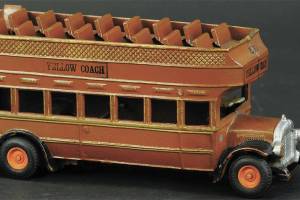
This Arcade yellow double decker bus was made about 1926
In 1921, Arcade Manufacturing Co. decided to make toys that were copies of real vehicles and everyday items.
January 22, 2021
Life
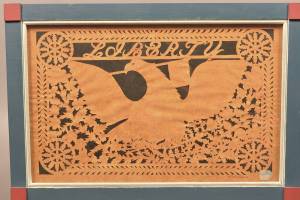
G.B. French made this scherenschnitte in the 20th century
The Kovels were surprised French’s paper cutting art was at auction, when artwork from the 1800s is more…
January 15, 2021
Life
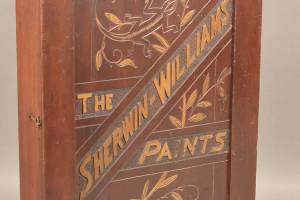
Sherwin-Williams cabinet features salamander logo circa 1870
The paint company’s famous world globe covered with dripping paint replaced the amphibian in 1905.
January 8, 2021
Life
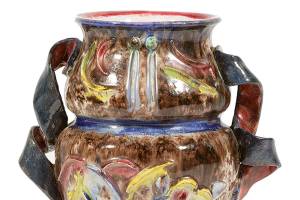
Vintage Paris porcelain can be a mystery to some collectors
It’s mysterious because most pieces aren’t marked and sometimes they’re sold as Vieux Paris or Old Paris.
January 1, 2021
Life
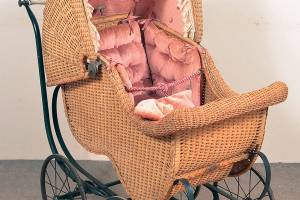
19th-century baby buggy a nice gift for this year’s first born
The 44-inch-tall antique wicker carriage has an adjustable hood. It auctioned for just $61.50.
December 25, 2020
Life
Most expensive Christmas collectibles? The older ones, of course
A tree from 1832 started the U.S. Christmas decorating custom that has grown into a billion-dollar industry.
December 18, 2020
Life
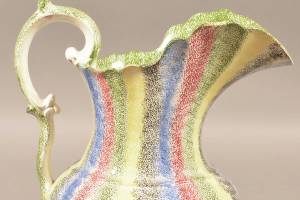
Just how old is an antique rainbow spatterware water pitcher?
The collectable was first made in the late 1700s, but most found today dates from about 1800 to…
December 11, 2020
Life
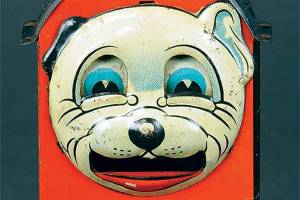
Mechanical bank of the first famous Bonzo sells for $1,800
The dog decorating the front of the tin bank was a comic cartoon star from the 1920s to…
December 4, 2020
Life
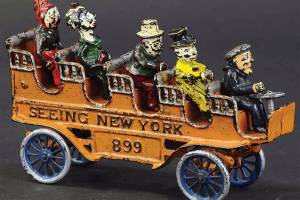
Double-decker toy bus made about 1900 sold for over $1,000
The toys made after 1895 often resembled tourist buses used in a few large cities. It had a…
November 27, 2020
Life
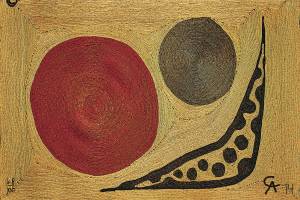
Limited edition rug in Alexander Calder’s design sells for $16K
“Moon” was one of 14 rugs Calder had made by Guatemala weavers for an earthquake relief fund in…
November 20, 2020
Life
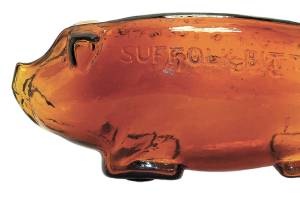
Medicines from the 1800s sold best in pig-shaped bottles
It encouraged sales because there was a belief in the 1880s that pigs bring prosperity and wealth.
November 13, 2020
Life
Prominent German artist’s pieces seldom turn up at auction
After moving to the U.S. in 1929, Vally Wieselthier was a big hit in artistic circles. One of…
November 6, 2020
Life
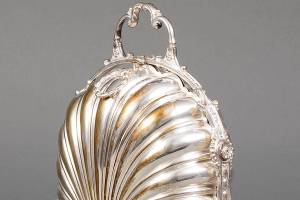
These British ‘biscuit boxes’ are cookie jars by any other name
And fancy silver ones can sell for as much as $256 at antiques auctions.
October 30, 2020
Life
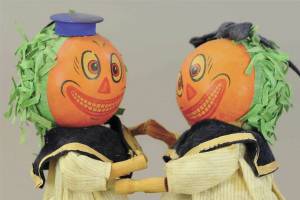
Halloween dancing couple with pumpkin heads sells for $1,900
The toy from early 1900s is on a wheeled platform, so the pumkin-head dancers go in circles when…
October 23, 2020
Previous
7
8
9
10
11
Next