Bentonite industry depends on steady demand for cat litter
Published 1:30 am Sunday, January 8, 2017
By MeadGruver
Associated Press
CHEYENNE — The market for a peculiar type of clay is looking up thanks to improved prospects for oil and gas drilling — and to cat owners who use it to fill litter boxes.
Over 90 percent of bentonite mined in the U.S. and almost half worldwide comes from beds of volcanic ash in Wyoming.
Some call it the mineral of 1,000 uses: It clarifies wine and other alcoholic beverages, forms an impervious liner to keep landfills from leaking, removes ink during paper recycling and goes into many homeopathic remedies.
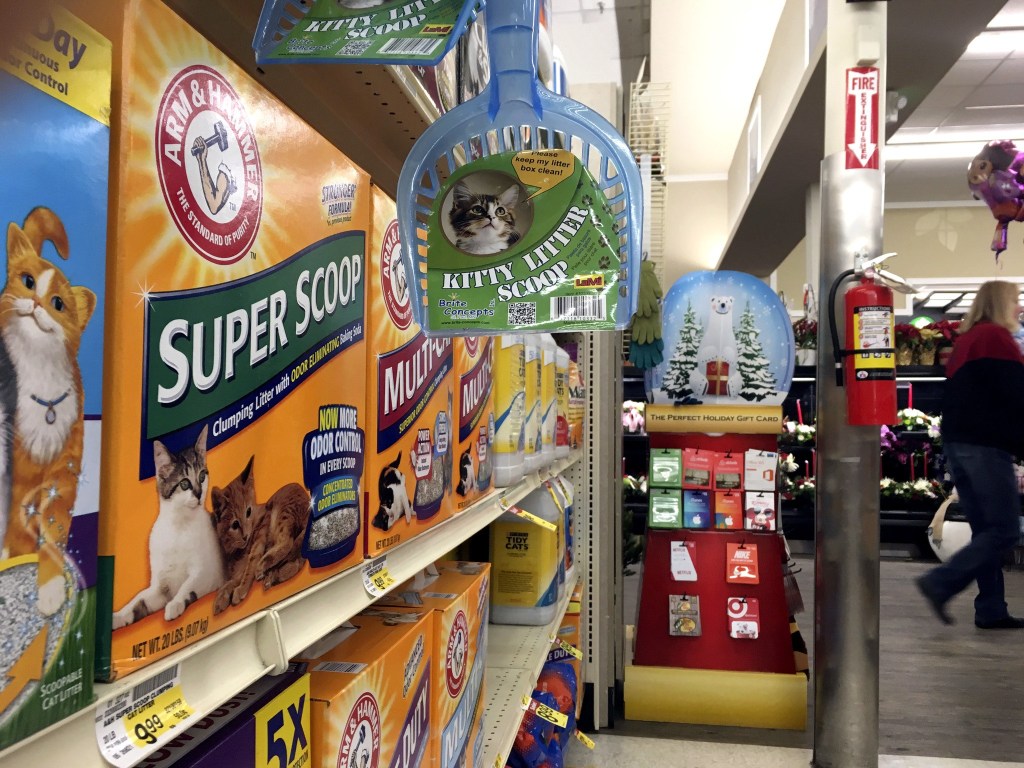
But two of its biggest uses are in drilling mud, the goop pumped down oil and gas wells during drilling, and in kitty litter.
As the oil and gas industry’s fortunes rise and fall, so can bentonite’s. But cat litter has helped the industry ride out oil and gas downturns in previous years, said Travis Deti, executive director of the Wyoming Mining Association.
“The pet litter industry has been very steady,” he said. “I don’t think people realize we’re kind of like the pet litter capital of the world.”
Drilling mud accounts for the largest portion of Wyo-Ben’s business, while kitty litter and environmental lining round out the company’s top three markets, Magstadt said.
Other bentonite mining and processing companies focus almost exclusively on kitty litter, and business has been steady, said Tom Thorson, president of Black Hills Bentonite, which gets 80 to 90 percent of its business from Clorox and other companies that make kitty litter.
Bentonite kitty litter isn’t terribly kind to the environment because it comes from surface mines and flushing the stuff, which can absorb up to 10 times its weight in water and swell up to 16 times its original size, isn’t a good idea. Bentonite-based kitty litter — millions of tons a year — takes up space in landfills and doesn’t decompose.
But alternatives, such as corn-based litter, haven’t really caught on despite growing demand for environmentally friendly pet products, said Shannon Brown, an analyst with the market research firm Packaged Facts.
Cat owners often find that biodegradable kitty litters, which can be quite a bit more expensive, doesn’t work as well as bentonite-based litters, she said.
“They either don’t like them or their cats don’t like them. And so, in many cases, people will try them and then just go back to their standard, clay litter,” Brown said.
Nationwide, sales of kitty litter approached $2.9 billion last year. Three-quarters of cat owners buy kitty litter and three-quarters of those buy clay clumping kitty litter, according to Packaged Facts.
Recently the U.S. Bureau of Land Management approved Wyo-Ben’s plans to expand a bentonite pit near Thermopolis in north-central Wyoming. It was a rare bit of good news for Wyoming’s mining industry, hit hard by a downturn in coal and a recent BLM coal-leasing moratorium.
Wyoming, the top coal-mining state, produces about as much coal in four days as the state’s nine bentonite mines do all year. The 4.3 million tons of bentonite mined nationwide last year was down 10 percent from the year before, according to the U.S. Geological Survey.
Bentonite mining and processing continues to employ almost 700 people in Wyoming, thanks in no small part to cat owners.
— Associated Press