No more lectures
Published 9:00 pm Saturday, January 21, 2006
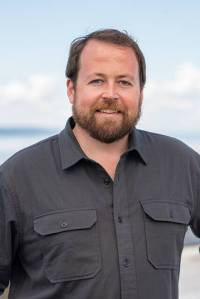
Andy Steele lives just a few blocks from the campus of Black Hills State University in Spearfish, S.D., so commuting to class isn’t the problem. But he doesn’t like lectures much, isn’t a morning person, and wants time during the day to restore motorcycles.
So Steele, a full-time senior business major, has been taking as many classes as he can from the South Dakota state system’s online offerings. He gets better grades and learns more, he says, and insists he isn’t missing out on the college experience.
“I still know a lot of people from my first two years living on campus, and I still meet a lot of people,” he says. But now, he sets his own schedule.
At least 2.3 million people took some kind of online course in 2004, according to a recent survey by The Sloan Consortium, an online education group, and two-thirds of colleges offering “face-to-face” courses also offer online ones. But what were once two distinct types of classes are looking more and more alike – and often dipping into the same pool of students.
At some schools, online courses – originally intended for nontraditional students living far from campus – have proved surprisingly popular with on-campus students. A recent study by South Dakota’s Board of Regents found 42 percent of the students enrolled in its distance-education courses weren’t so distant: they were located on campus at the university that was hosting the online course.
Numbers vary depending on the policies of particular colleges, but other schools also have students mixing and matching online and “face-to-face” credits. Motives range from lifestyle to accommodating a job schedule to getting into high-demand courses.
Washington State University had about 325 on-campus undergraduates taking one or more distance courses last year. As many as 9,000 students took both distance and in-person classes at Arizona State University last year.
“Business is really about providing options to their customers, and that’s really what we want to do,” said Sheila Aaker, extended services coordinator at Black Hills State.
Still, the trend poses something of a dilemma for universities.
They are reluctant to fill slots intended for distance students with on-campus ones who are just too lazy to get up for class. On the other hand, if they insist the online courses are just as good, it’s hard to tell students they can’t take them. And with the student population rising and pressing many colleges for space, they may have little choice.
In practice, the policy is often shaded. Florida State University tightened on-campus access to online courses several years ago when it discovered some on-campus students hacking into the system to register for them. Now it requires students to get an adviser’s permission to take an online class.
Many schools, like Washington State and Arizona State, let individual departments and academic units decide who can take an online course. They say students with legitimate academic needs – a conflict with another class, a course they need to graduate that is full – often get permission, though they still must take some key classes in person.
In fact, the distinction between online and “face-to-face” courses is blurring rapidly. Many if not most traditional classes now use online components – message boards, chat rooms, electronic filing of papers. Students can increasingly “attend” lectures by downloading a video or a podcast.
At Arizona State, 11,000 students take fully online courses and 40,000 use the online course management system, which is used by many “traditional” classes. Administrators say the distinction between online and traditional is now so meaningless it may not even be reflected in next fall’s course catalogue.
ASU’s director of distance learning Marc Van Horne says students are increasingly demanding both high-tech delivery of education, and more control over their schedules. The university should do what it can to help them graduate on time, he says.
“Is that a worthwhile goal for us to pursue? I’d say ‘absolutely,’” he said. “Is it strictly speaking the mission of a distance learning unit? Not really.”