Great Plant Pick: Hydrangea macrophylla ‘Glowing Embers’
Published 1:30 am Saturday, July 13, 2019
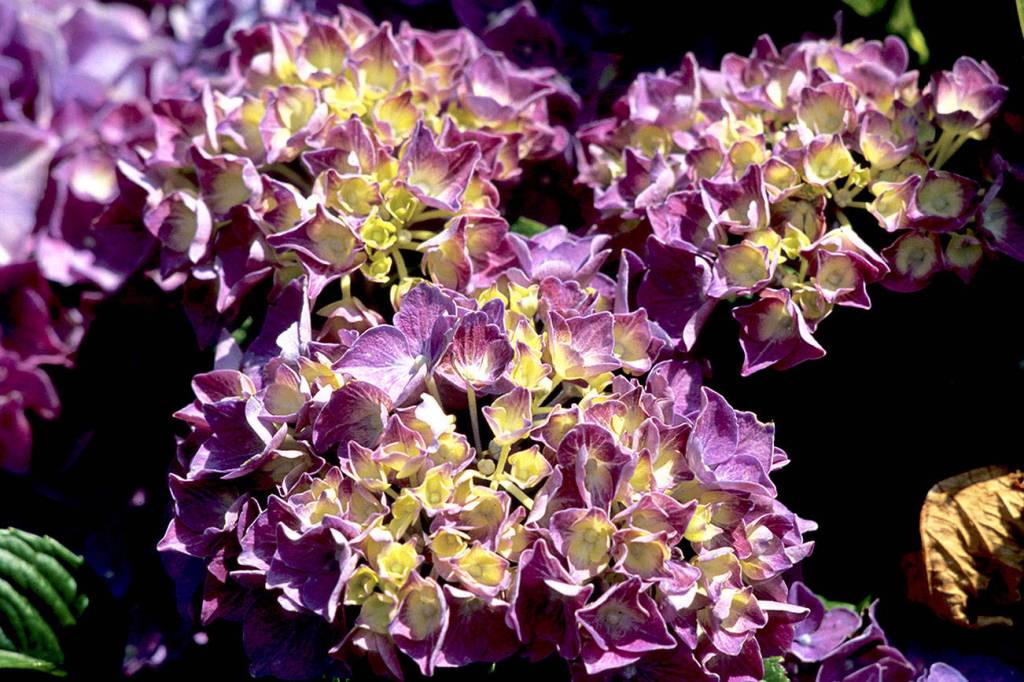
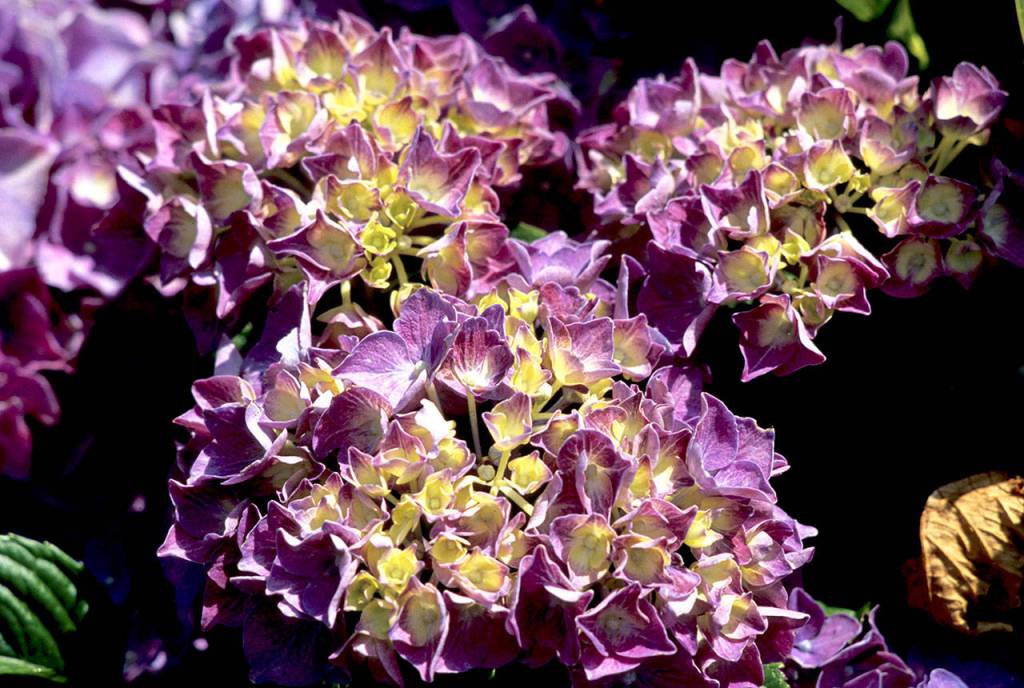


What: The compact and dense habit of Hydrangea macrophylla “Glowing Embers” makes it a superb choice for the smaller garden. The full and dense mophead flowers are a deep rose-red to a rich purple-blue depending on the acidity of the soil. Often there is a second flush of flowers in late summer to early autumn. The leaves have a waxy and glossy appearance, with a red tint to the edges complementing the flower color. In the fall, the red tints deepen to maroon and color the whole leaf before they drop. This is one of the few hydrangeas to tolerate full sun, resisting fading and scorching of the foliage and flowers. The intense colors show best in the open. Mix with other deciduous shrubs or perennials. Keep away from dark foliaged plants; the flowers are lost in the dark tones.
Where: This hydrangea grows best in light to open shade. A location protected from hot sun will keep the foliage and flowers from prematurely fading or scorching. A rich, moist to well-drained soil produces the best growth and flowering.
Size: This mophead hydrangea grows to be 4 feet tall and 4 feet wide when mature.
Care: Hydrangeas are not drought tolerant and will grow and flower more prolifically with regular summer watering. The typically acidic soils of the Pacific Northwest will cause the variable flowers to bloom with purple and blue tones. For pink flowers, add lime to raise the pH and sweeten the soil. Have a soil test done to determine the amount of lime. Changing the color can often take a few years to accomplish with more than one application of lime. Remove a few old twiggy branches to the ground yearly or prune lightly to improve the overall shape. Heavy pruning can ruin the flowering for the following year. Consult an experienced pruner or take local classes before attempting substantial pruning.
— Richie Steffen, Great Plant Picks