Hangdog Days: Author recalls rock climbing’s contentious era
Published 1:30 am Sunday, April 7, 2019
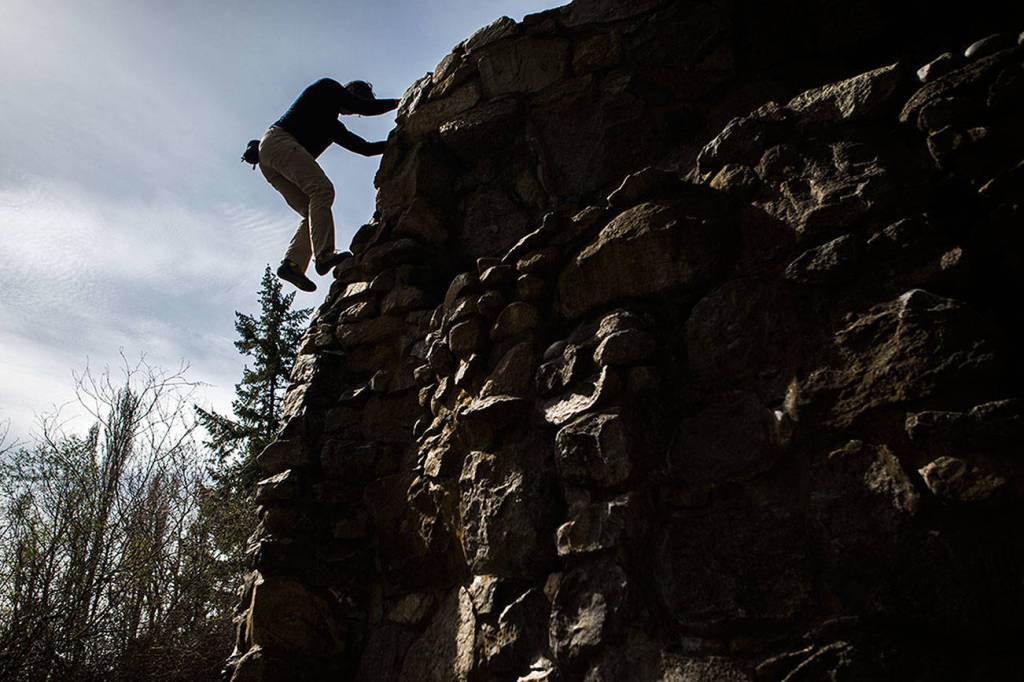

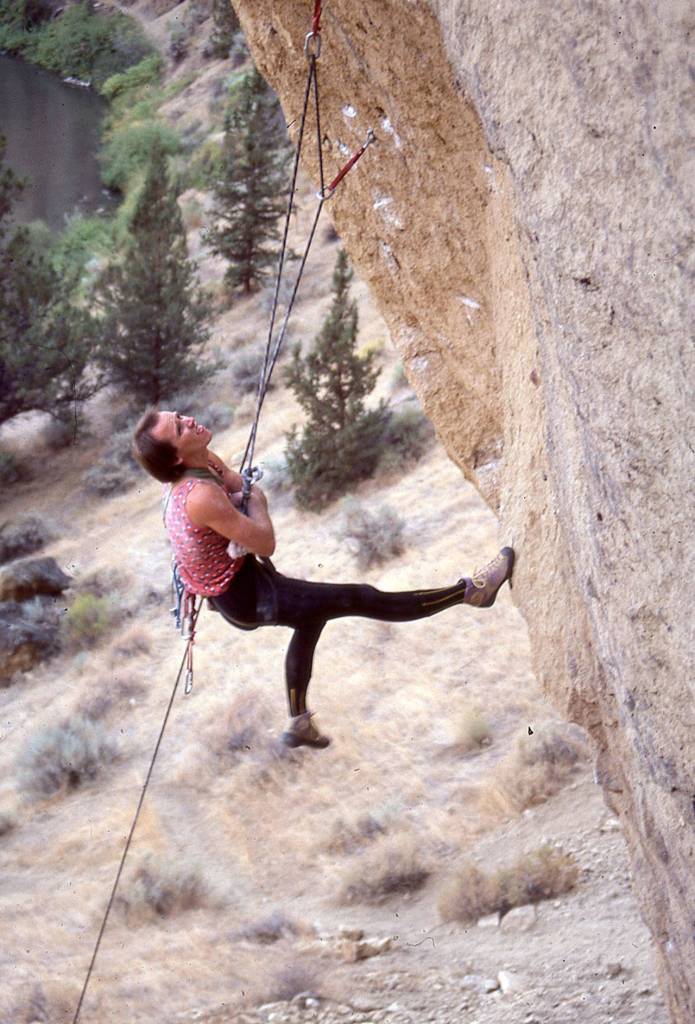
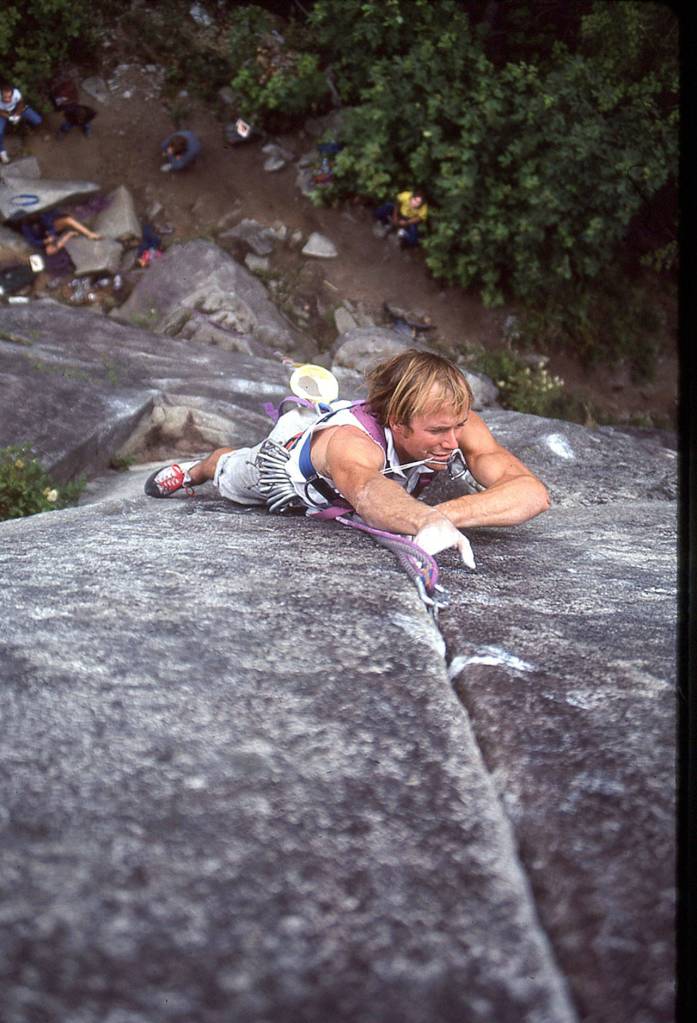


It’s crazy to think a rock climber would ever purposely smear grease on a route, but those were the “hangdog days” of the 1980s.
Jeff Smoot remembers watching his friend and accomplished climber Todd Skinner use a butane torch to burn grease from Index’s City Park route while dangling 100 feet above the ground.
Smoot was shocked — locals had taken extraordinary measures to show their frustration with a new generation of climbers who disregarded the sport’s established rules for a controversial technique known as “hangdogging.” The opposing climbing communities’ goal was the same — reach new heights via harder routes and faster ascents — but that didn’t prevent sabotage, fistfights and death threats.
Despite repeated clashes, some of which even involved feces, more climbers broke rank with traditional style and helped elevate the popularity of sport climbing, climbing gyms and competitive climbing.
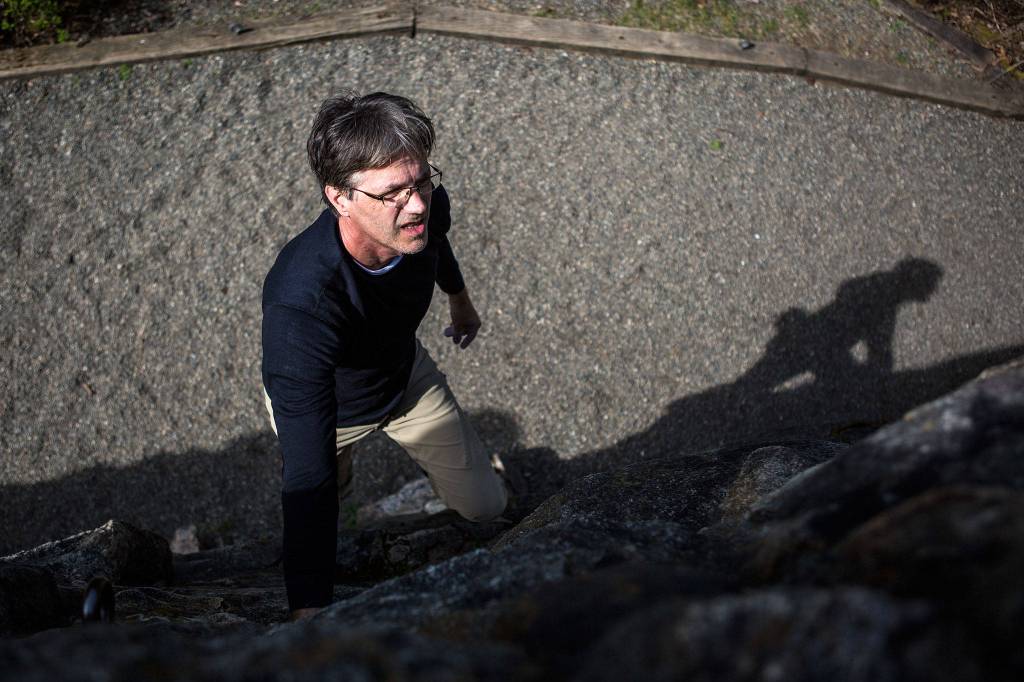
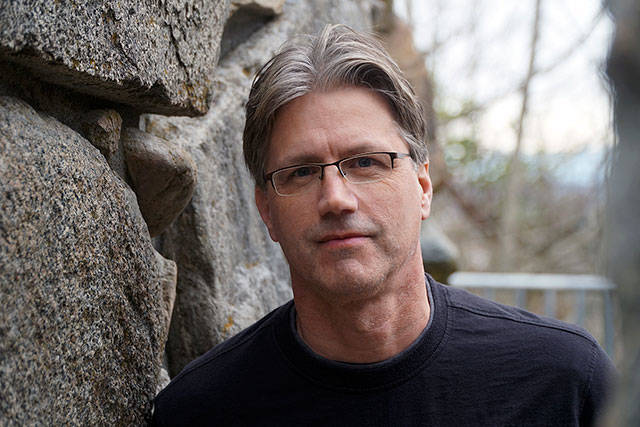
Smoot, 57, an author, lawyer and photographer from Seattle, will share how this contentious period in rock climbing’s history transformed the sport at the next Marysville’s Outdoor Adventure Speaker Series event Tuesday at the Marysville Opera House.
“They didn’t know any better than to hangdog and rappel bolt,” Smoot said. “There have always been controversies about what is the best way to approach climbing, but in the end, if change is going to happen, it’s going to happen.”
Fundamental differences between new and traditional climbers became a problem not long after rock climbing exploded in popularity in the late 1970s.
Traditionalists believed that if a climber couldn’t overcome a difficult route, they should lower themselves down and try again. This idealistic approach, however, didn’t sit well with the new generation, who hung on the rope to rest after they fell and took time to practice their moves.
This gymnastic style ultimately led climbers such as France’s Jean-Baptiste Tribout to ascend previously unconquerable heights, such as Oregon’s To Bolt or Not to Be at Smith Rock in 1986. But it irritated traditional climbers who thought it was a cheap trick for besting harder routes.
They gave it a derogatory name: “hangdogging.”
“The old guard thought that was cheating and disrespected the sport of adventure,” Smoot said. “It’s kind of like being towed into a big wave by a jet ski versus paddling in and catching it under your own power. Maybe you could catch a bigger wave that way, but it wasn’t really surfing, was it?”
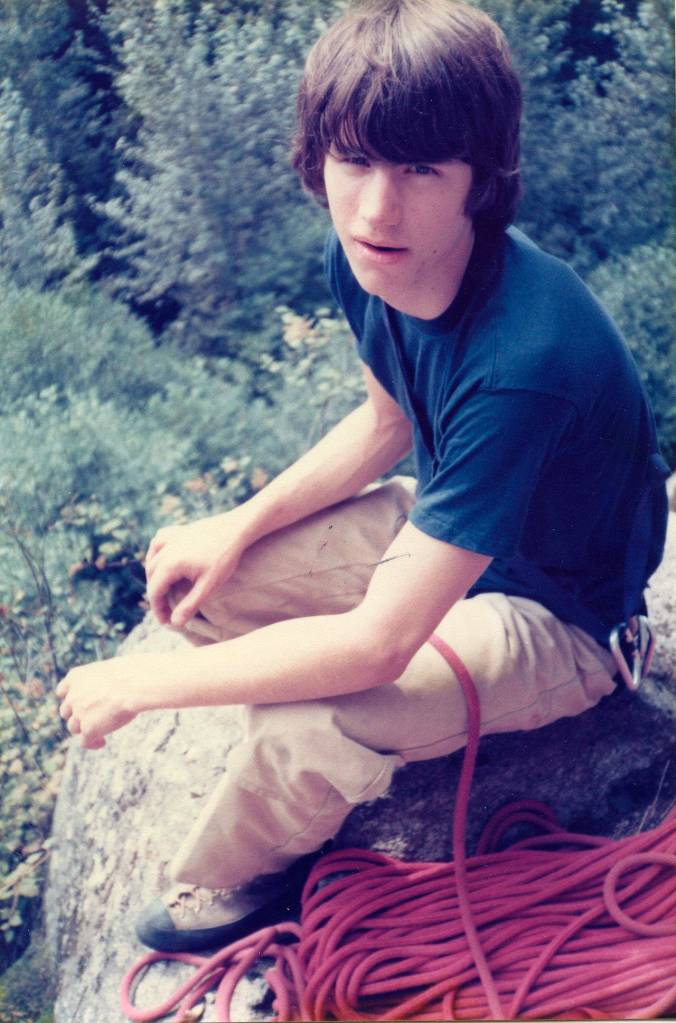
Smoot, who grew up in Seattle, started climbing as a teenager during the mid-’70s in Leavenworth and Index. Because his style was influenced by bold free soloist and staunch traditionalist John Bachar, Smoot wasn’t a fan of hangdogging.
He’s since used the techniques, but his opinion that it’s stupid hasn’t changed.
“I don’t spend a lot of time working routes,” Smoot said. “I’d rather climb easier routes in good style than spend a lot of time working more difficult routes.”
He met Todd Skinner in 1983 while climbing Joshua Tree in Southern California. Skinner invited him to tour other popular sites across the U.S. in 1985.
Skinner gained notoriety over the next few years for his first free ascents of routes around the nation, including Index’s City Park and The Salathe Wall at El Capitan in Yosemite National Park, where he couldn’t use equipment such as ropes and anchors to help him climb.
He also pushed the boundaries of difficulty and tolerance, blatantly hangdogging in Yosemite where it was taboo and illegally drilling rap bolts for rappelling in Hueco Tanks near El Paso, Texas.
This disregard for the rules concerned traditionalists, mainly because it threatened to deplete the availability of unclimbed rocks and opportunities for climbers to establish routes in the traditional ground-up manner.
“Climbers who rap bolted didn’t have to wait until they had the skill and nerve to lead up onto a blank wall,” Smoot said. “They could just rappel down, drill some bolts, and have at it.”
Peer pressure was constant. Local climbers yelled and confronted hangdoggers and chopped bolts where it disrupted the sanctity of the rock.
Others took more drastic measures.
“There was an incident in Nevada where some climbers dumped buckets of goat turds down onto a group of climbers below them to let them know their style wasn’t accepted,” Smoot said.
In 1982 at Yosemite, a pair of climbers who made a new route on El Capitan ticked off the locals so much that when the climbers rappelled off the wall to rest, they cut down their ropes and defecated on them.
So, how did it reach this point?
“Have you ever seen a game of King of the Hill? Exactly like that,” Smoot said.
It’s hard to say whether things ever fully settled down, he said. Arguments still happen over placing and removing bolts, but by the 1990s most of the furor had subsided.
Seeing climbing as more of an extreme, athletic hobby, compared to how traditionalists saw it as interpretive dance with nature, made the sport more marketable, he said.
“It appealed to the new generation because it had the illusion of risk without the same level of risk as traditional climbing,” Smoot said. “Gym climbing became very popular, introducing thousands and eventually millions of people to climbing — people who might otherwise never have discovered it.”
Smoot’s personal experiences climbing during the transformative era inspired his latest book, “Hangdog Days: Conflict, Change, and the Race for 5.14,” published by Mountaineers Books.
He dedicated it to Skinner, who died in a climbing accident in 2006.
Evan Thompson: 425-339-3427, ethompson@heraldnet.com. Twitter: @ByEvanThompson.
If you go
Marysville’s Outdoor Adventure Speaker Series continues at 6:30 p.m. April 9 with Jeff Smoot’s presentation on “Hangdog Days” at the Marysville Opera House, 1225 Third St., Marysville. Entry is $5 at the door. Call 360-363-8400.
The Marysville Outdoor Adventure Speaker Series is held the second Tuesday of the month, January through May and September through November. Presentations cover hiking, climbing, snowshoeing, biking, photography, boating, birding and more. More at www.marysvillewa.gov.