Consumers can affect price of oil by using less
Published 9:00 pm Tuesday, May 18, 2004
As futile acts go, the effort to organize a one-day boycott of gasoline stations today ranks high.
“We can make a difference,” proclaims the e-mail that’s been making the rounds. “If they (oil companies) don’t get the message after one day, we will do it again and again.”
Somewhere between the lines of that paragraph lies a winning strategy for bringing oil prices down. It has nothing to do with one-day boycotts, though. It has to do with using less petroleum – every day.
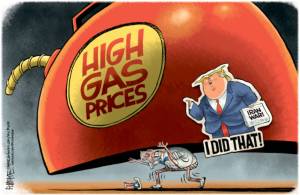
Collectively, consumers do have the power to affect the oil market. We already have. Rising demand, particularly in the United States and China, is one of several factors experts cite for the driving prices upward. Reversing that trend doesn’t promise to bring prices back to where they were a year ago, but it surely would help.
The cost of our insatiable thirst for gasoline goes beyond the pump. Our dependence on foreign oil, particularly from the Middle East, makes for some uneasy political relationships. It undermines our credibility in the war on terror, and especially in the ongoing struggle in Iraq.
At home, drilling already has turned much of the country into a pin cushion. New reserves figure to be costlier to exploit, financially and environmentally.
As gas prices edge closer to $3 a gallon this summer, in turn putting upward pressure on prices for other consumer goods, the Bush administration and Congress must finally get serious about an energy policy that stresses conservation. Mileage standards for new cars and trucks must rise, and incentives should be put in place to spur the production of gasoline/electric hybrid vehicles.
But as the backers of the one-day boycott seem to realize, the real difference makers are consumers themselves. Combine errands to cut down on the miles you drive. Use carpools and transit if you can. The next time you buy a car, look for one that’s more fuel-efficient.
The key is conserving not just for a day, but for a lifetime. It’s making relatively small lifestyle changes, but making them permanent.
In the long run, such changes will do more than save money – they’ll leave us with cleaner air and a more independent nation.