Editorial: Keep eye on weather and on FEMA’s future
Published 1:30 am Tuesday, December 16, 2025


By The Herald Editorial Board
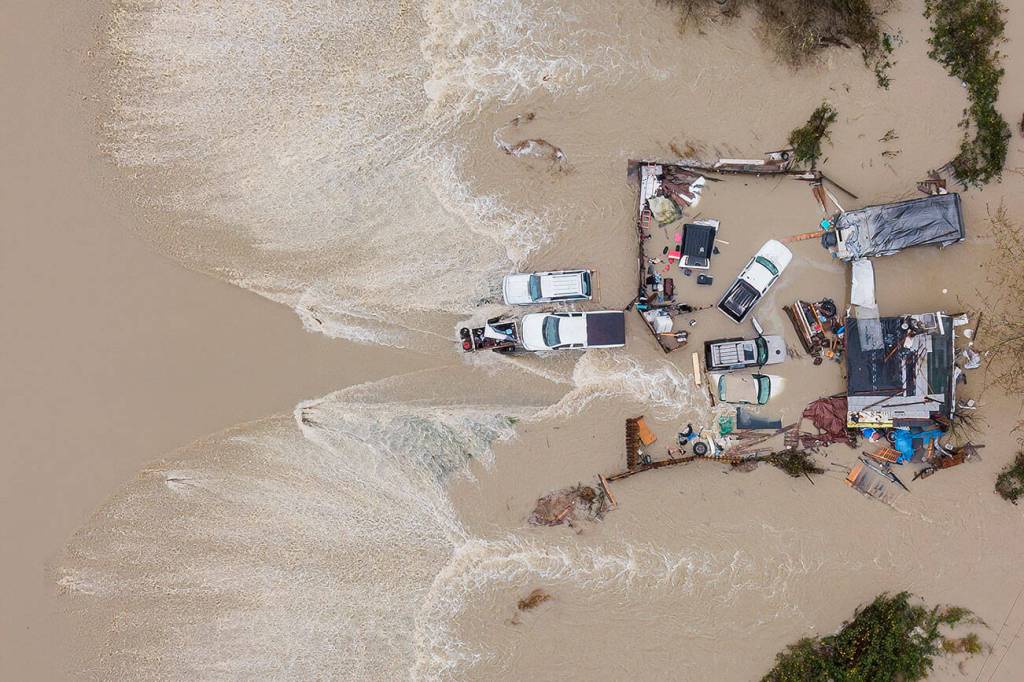
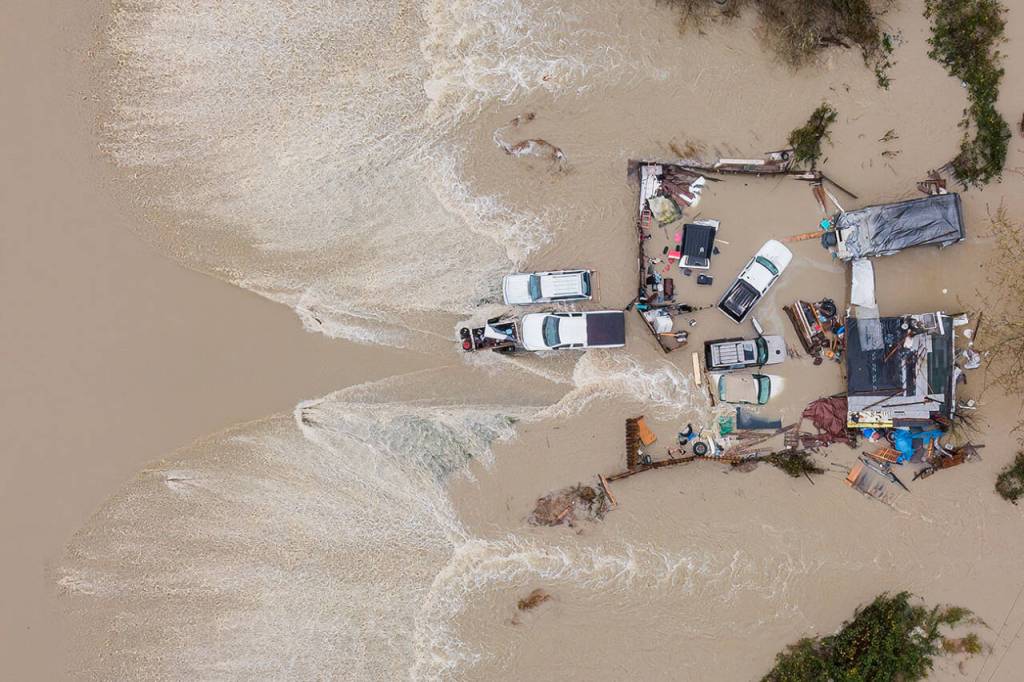
Even as floodwaters recede and the work begins to salvage property, clean up, dry out and rebuild in Western Washington following December’s atmospheric rivers and flooding many still are keeping a wary eye on weather reports as rain showers and gusty winds were expected to continue through Wednesday.
Some focus also should glance east regarding what the Trump administration has planned for the Federal Emergency Management Agency.
There was some relief Friday with the announcement that President Trump had approved Gov. Bob Ferguson’s request for a declaration of emergency, freeing up federal aid for the immediate flood response.
But as damage is assessed and costs are counted from the floods, fresh in memories are earlier decisions by the Trump administration to deny federal disaster relief funding for several states, including Washington state’s request for funding that followed the “bomb cyclone” windstorms that hit Western Washington last fall.
Nor is the future of FEMA itself certain.
Both President Trump and Homeland Security Secretary Kristi Noem, whose portfolio includes oversight of FEMA, had earlier in the year expressed interest in closing down or drastically cutting back the agency. Instead, following the July 4 flooding in Texas Hill Country, the president named a task force, led by Noem, to consider changes to an agency that many have typified as slow and inefficient, yet still necessary to aid communities struck by disasters.
A month ago Noem was presented with a draft report from the FEMA Review Council, which she reportedly slashed from more than 160 pages down to 20, raising concerns among some task force members that many of their recommendations had been omitted from the final report and that the administration still planned to disengage the federal government from disaster management.
Last week, as rivers rose here, the panel scrapped a meeting at which it was scheduled to vote on the proposed recommendations. Although not binding, the report was expected to part of discussions between the White House and Congress regarding the agency’s future and ultimate responsibility for disaster management.
A draft of the report, obtained by CNN, recommended cutting FEMA’s workforce by 50 percent and redistributing other employees to field staff positions. But the report also called for development of a block-grant system for disaster response that would deliver aid withing 30 days of a federal declaration of disaster. Another option suggests streamlining aid to individuals, with assistance capped based on property value and need, to more quickly provide funds for repairs and temporary housing.
“It is time to close the chapter on FEMA,” the draft report stated. “A new agency should be established that retains the core missions of FEMA, while highlighting the renewed emphasis on locally executed, state or tribally managed, and federally supported emergency management.”
The final draft also would push states to increase their own responses, raising the threshold for qualification of what would be considered for disaster relief.
“Federal assistance should only be reserved for truly catastrophic events that exceed [state, local, tribal and territorial] capacity and capability,” the report states.
Yet it’s not just aid after a disaster that matters, but assistance for communities to prepare for these events and minimize the risk and the damage that results.
An earlier move by FEMA may signal the intent to limit federal assistance for disaster preparedness, along with disaster relief.
Possibly in anticipation of such reforms, was the announcement by FEMA this April that it was cancelling a grant program — Building Resilient Infrastructure and Communities — for which Congress had allocated $3.6 billion in grants throughout the states for projects between 2020 and 2023, along with canceling $750 million in funding opportunities for the 2024 fiscal year.
BRIC was established by Congress as part of the Disaster Recovery Reform Act of 2018 to ensure a stable annual funding source for mitigation work meant to reduce risks for public infrastructure and disadvantaged communities. Since inception it had funded more than $5 billion in investments meant to prevent personal and economic losses to families and communities from floods, wildfires, tornadoes, hurricanes and other disasters.
Among grants canceled this April, were a total of $195 million in federal funds for hazard mitigation, tsunami evacuation work and adaptations for sea-level rise in Washington state. Among the projects canceled were $12.5 million to relocate the residents of 45 mobile homes from a flood-prone valley near Tacoma, allowing Pierce County to acquire the land and restore a natural floodplain and funding for a hazard mitigation plan in Darrington that could have been used in securing other preparedness grant funding, even as work remains to complete mapping of areas at risk for landslides, like the 2014 Oso disaster.
In canceling the grant program, a FEMA press release — apparently since deleted, with viewers redirected to the FEMA home page — called BRIC a “wasteful, politicized grant program.” But an earlier study by the National Institute of Building Sciences, had shown that flood hazard mitigation investments return up to $8 in benefits for every $1 spent, according to a national floodplain managers association.
Congress, in the new year will need to devote considerable energy to considering all proposals for reform of FEMA. Already, U.S. Rep. Rick Larsen, D-Wash., and others have proposed bipartisan reform that should provide a starting point for discussions among those in Congress and in the Trump administration. The legislation seeks to streamline disaster response, and rather than weaken FEMA, restore it as a Cabinet-level agency.
The back-to-back atmospheric rivers we just experienced are likely no longer an infrequent event. Climate scientists are warning that these steams of precipitation are growing more powerful, more frequent and because of warmer temperatures are carrying more water. Floods hitting once-in-a-century marks in flood plains may increase to once in every quarter-century.
Plans have to be made now not just for how we pay to rebuild after the last flood, but how we limit the damage from the next.