Job well done?
Published 1:30 am Monday, March 22, 2021

By Bob Condotta / The Seattle Times
Free Agent Frenzy was its typical Fast and Furious self this year around the NFL.
As of Saturday evening, only one of the top 26 free agents on NFL.com were available. And just like last year, one of those was Jadeveon Clowney, ranked No. 7.
If the Seahawks weren’t major players in the so-called “first wave” of free agency, they did at least take part, fulfilling a couple of big needs along the way. With the first wave having crested, it’s time to reset what Seattle has done and hand out a few grades:
Players re-signed
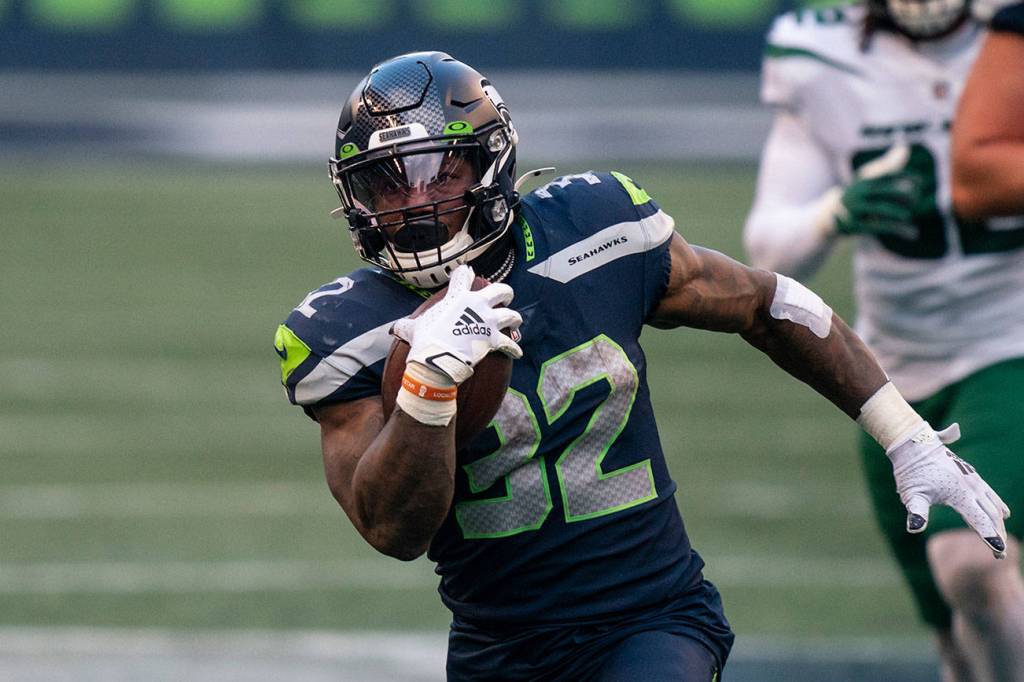
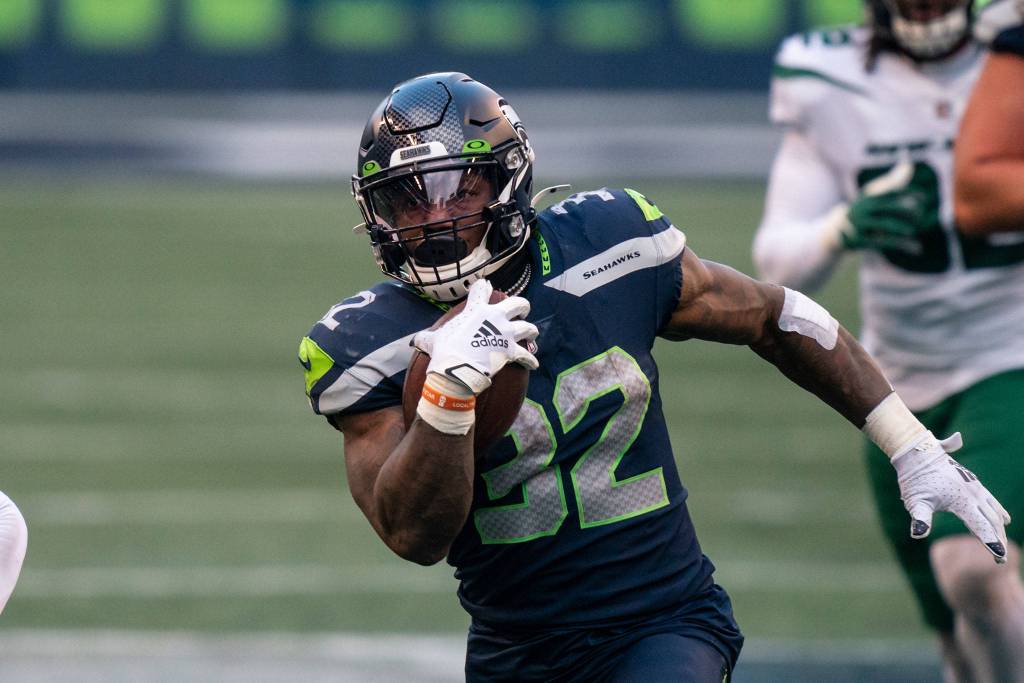
Running back Chris Carson: Keeping Carson in the fold with a new two-year deal that could pay him up to $14.625 million (with a third year voidable year added for salary-cap purposes) is one of the most significant, and somewhat surprising, moves of the offseason for Seattle. The Seahawks get to keep Carson but do so at less than the $8 million it would have taken with the franchise tag. In fact, the contract carries a cap hit of just $2.5 million for the 2021 season, making it a relative steal. A two-year deal stops all the questions about Carson’s future for now and just lets him play in 2021. Seattle now has a loaded running-back room with Rashaad Penny, Travis Homer, DeeJay Dallas and Alex Collins also on the roster. But re-signing Carson makes clear who the leader is. The only quibble could be wondering if that’s too much money to spend on a running back, and Carson’s durability, though it’s worth remembering he’s played all but eight regular season games the last three years. Grade: A-minus.
Nose tackle Poona Ford: The Seahawks avoided assigning a second-round tender to Ford that would have paid him $3.38 million for the 2021 season and meant he could become a free agent next year. Instead they signed him to a two-year deal worth up to $14 million. According to The Athletic, the deal includes a $3.5 million signing bonus but is structured to have only a $2.6 million salary-cap hit for 2021. So Seattle kept Ford — who has quietly become one of the team’s most valuable defensive players — for another year while saving some cap money for this season. Grade: A.
Fullback Nick Bellore: The Seahawks re-signed the special teams ace to a two-year deal with cap numbers of $1.7 million and $2.7 million in 2021 and 2022. But before reading much into the cap hits it’s worth remembering they cut him before each of the past two seasons and brought him back on non-guaranteed or cheaper deals. Given the success of Seattle’s special teams last season and that Bellore made the Pro Bowl, this as a logical signing. Grade: B-plus
Center Ethan Pocic: Fans maybe wanted a bigger splash at center — and it’s worth remembering the offseason is hardly done. But after trading for guard Gabe Jackson and his $9.6 million cap hit in 2021, it made sense for the Seahawks to go back to Pocic on a one-year deal worth a reported $3 million. The deal may qualify for the veteran cap benefit and count only $1.5 million against the cap. If so, that would make this an even better signing to bring back a player who started 14 games last season — and before suffering a concussion in November was playing the best of his four-year career — especially with Seattle having little cap wiggle room. Grade: B.
Outside free agents signed
Cornerback Ahkello Witherspoon: The former 49er signed a one-year deal worth $4 million to compete for a starting cornerback spot. This is hard to judge until we know if Seattle brings back Quinton Dunbar or someone else for competition to help replace the departed Shaquill Griffin. Witherspoon was inconsistent with the 49ers, but having played in the same defensive system as the Seahawks’ he should to at least be able hit the ground running. Some past Seattle cornerback additions needed time or were never able to fully adjust. Grade: B.
Tight end Gerald Everett: The minute Shane Waldron was hired away from the Rams as the Seahawks’ offensive coordinator, many pointed to Everett as a logical free-agent target. The Seahawks thought the same, signing him to a one-year deal worth up to $6 million to play for his former position coach. Everett adds a run-after-the-catch dimension that the tight-end corps seemed to lack last year. He also is in the prime of his career at age 27 and motivated knowing he can be a free agent again in 2022. And given some of contracts other tight ends around the league received, this could turn out to be a relative bargain. Grade: B-plus.
Players acquired in trade
Guard Gabe Jackson: Seattle tried to sign free agent Kevin Zeitler, who instead joined the Ravens. That highlighted a disappointing first day of free agency when most of the best offensive linemen signed quickly and left some wondering if the Seahawks would make a major addition there. They jumped quickly Wednesday, though, to trade a fifth-round draft pick for Jackson, whom the Raiders were set to release due to his $9.6 million cap hit in 2021, and $9.5 in 2022. Jackson hasn’t won a lot of accolades in his six-year NFL career, but he’s quietly been considered one of the league’s better pass-blocking guards. He has played both sides in his career, but it seems logical that he’d go to the left side to play alongside Duane Brown and leave Damien Lewis on the right side. Grade: A-minus.
Free agents lost
Cornerback Shaquill Griffin (signed with Jacksonville), receiver David Moore (Carolina), receiver Phillip Dorsett (Jacksonville), running back Carlos Hyde (Jacksonville) and tight end Jacob Hollister (Buffalo).
Comment: Of the five who have left, none should be considered a surprise. But the loss of Moore and Dorsett means Seattle must add to the receiver corps and the third-receiver competition. Seattle never figured to pay Griffin as much as he received from Jacksonville — a $13 million annual base salary. Griffin was good. But the next three years will tell the tale of which team assessed Griffin’s value the best, and if Seattle will be able to get the same kind of play more inexpensively. And the team had to cut costs somewhere with the league salary cap lowered this season to $182.5 million from last season’s $198 million.