Weekend festival in Edmonds is all about the birds
Published 1:30 am Thursday, September 8, 2016
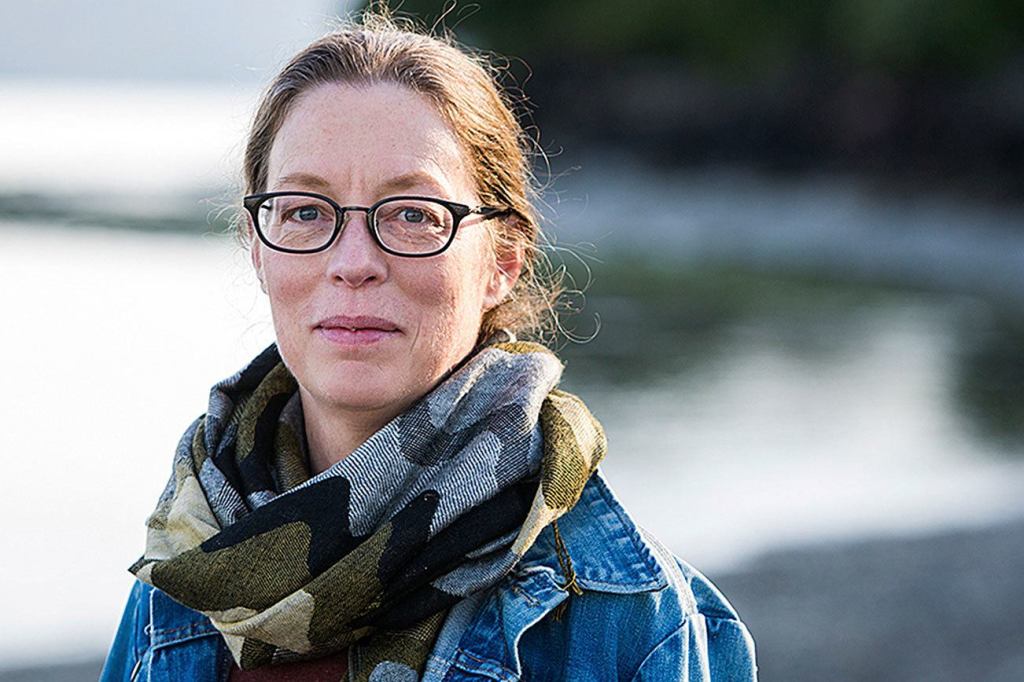
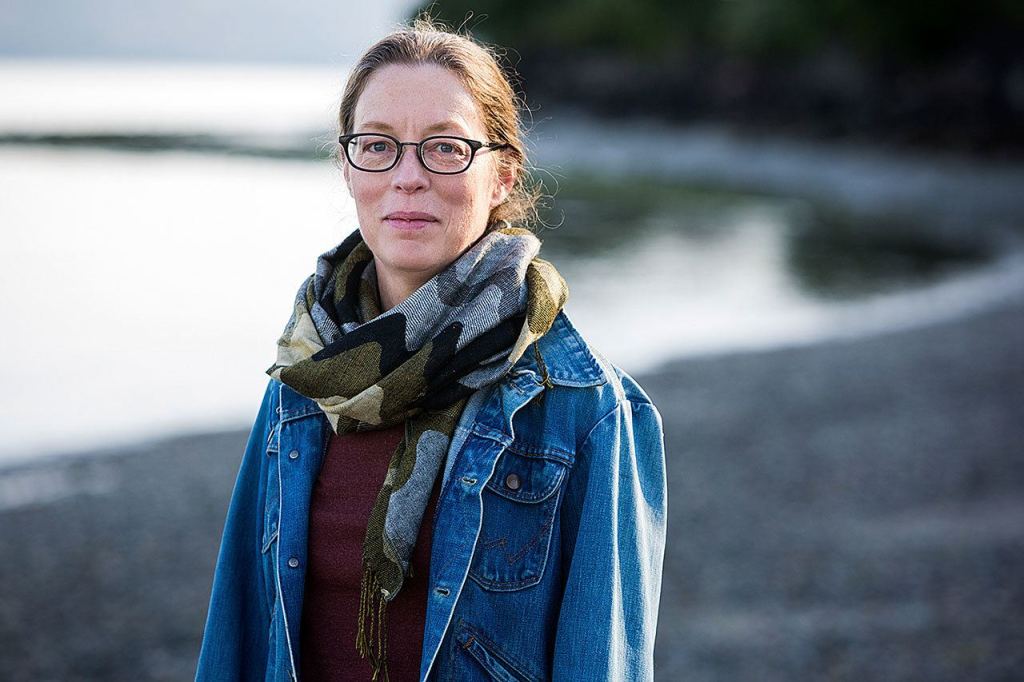
EDMONDS — Over the past 17 years, University of Washington Professor Julia Parrish has led a program of citizen scientists, helping track ecological change.
Nearly 1,000 people have joined the Coastal Observation And Seabird Survey Team, volunteers who scan beaches from northern California to Alaska looking for carcasses of marine birds. The deaths can help piece together larger trends affecting bird life.
Parrish, executive director of COASST, is scheduled to discuss the project at 7:30 p.m. Friday as keynote speaker at this year’s Bird Fest in Edmonds.
“We cover basically the entire Pacific Northwest coastline, including inside waters like the Salish Sea,” said Parrish, who is a professor of Aquatic and Fisheries Sciences at the University of Washington. “That allows us to see all sorts of patterns in marine birds as they migrate up north for the breeding season and down south for the winter.”
The group collects information on where and when the bird deaths occur. The deaths are a normal part of the ecosystem, but when the numbers either unexpectedly grow or decline at an unusual time of year, it can point to larger issues, Parrish said.
One of those trends now being seen by the volunteers and scientists alike is an unexpected die-off of rhinoceros auklets, a seabird closely related to puffins.
It’s occurring in the eastern Strait of Juan de Fuca, including the Dungeness Spit, the west side of Whidbey Island, and up to Victoria Harbour on Vancouver Island.
“We know it’s happening but we don’t know why,” Parrish said. The die-off began in May and increased in June. They account for about 12 percent of the dead birds found along the Strait.
“We’ve seen a tremendous increase in mortality,” she said. Information from the COASST program is being combined with findings from tribal and government agencies in the U.S. and Canada to document the trend.
Volunteers can still join up to participate in the COASST project. A training session is scheduled Oct. 2 in Coupeville on Whidbey Island.
Parrish said monitoring ecological change shouldn’t be something only scientists do. “I think most of environmental science is about being a keen observer and noticing patterns and change and everybody can do that,” she said.
Citizen science is an invitation to become involved, Parrish said.
“When we create a project that blends what citizens know with a broader scientific base, we can really say a lot about what’s going on,” she said.
Sharon Salyer: 425-339-3486; salyer@heraldnet.com.
Julia Parrish’s keynote address at Bird Fest is scheduled to begin at 7:30 p.m. Friday in the Plaza Room, Edmonds Library, 650 Main St.
More information on Bird Fest, scheduled Friday, Saturday and Sunday in Edmonds, is available at www.pugetsoundbirdfest.org.
A program to teach volunteers interested in joining the Coastal Observation And Seabird Survey Team, is scheduled from 11 a.m. to 5 p.m. at the Coupeville Fire Department, 1164 Race Road in Coupeville. More information is available at http://depts.washington.edu/coasst/involved/volunteer.html