Clinton candidacy significant for many women, despite loss
Published 1:30 am Saturday, November 12, 2016
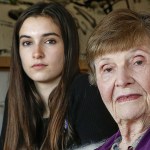



EVERETT — Elaine Redelfs was born in a country where women didn’t have the right to vote.
That was a century ago, here in the United States. Redelfs was 6 years old when the 19th Amendment was ratified, guaranteeing women suffrage.
Three weeks ago, the 102-year-old from Lake Stevens cast her ballot for a woman president.
On Tuesday, Hillary Clinton lost her bid to serve as the 45th president of the United States. Republican nominee Donald Trump won in a tense race that kept both candidates’ supporters up late into the night.
On Wednesday, Clinton’s supporters expressed dismay at the outcome of the election.
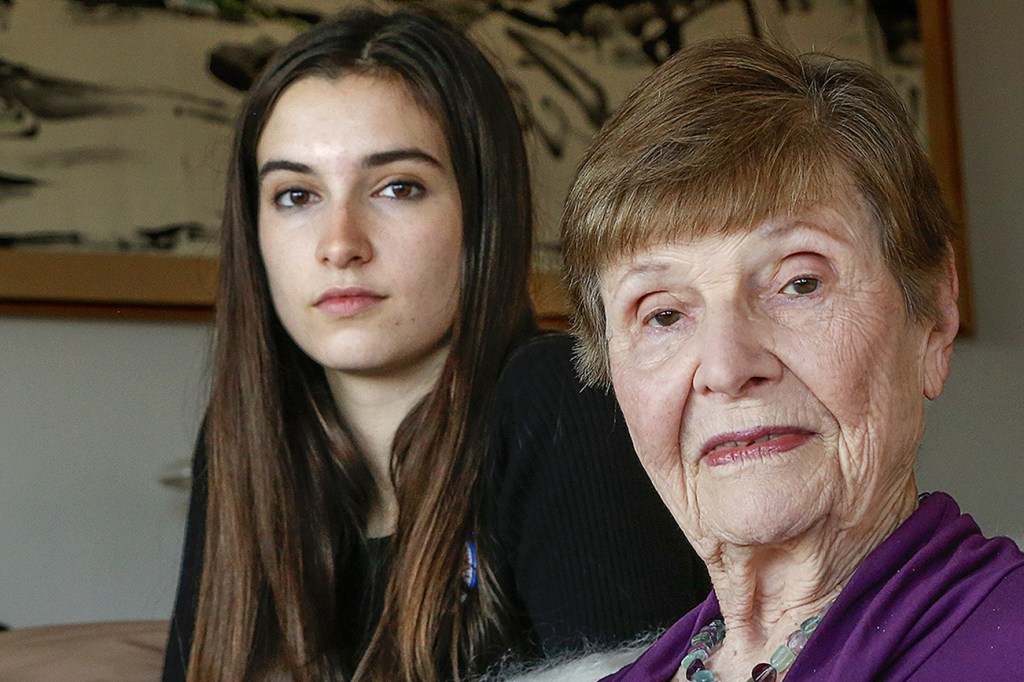
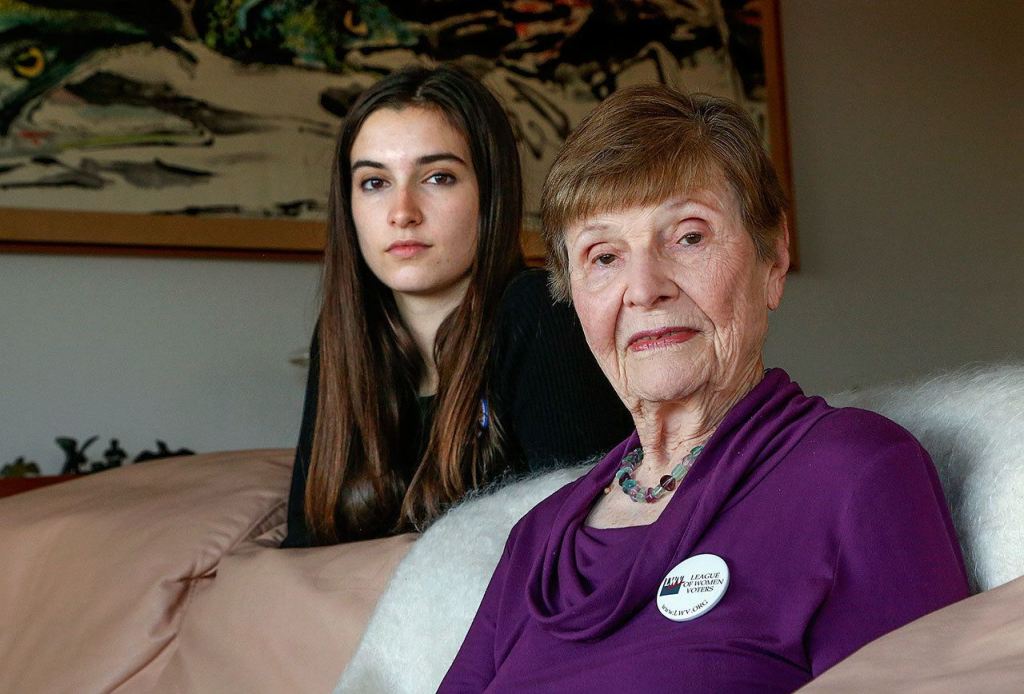
Redelfs and her daughter, Ellen Michaud, wore all black to symbolize their sadness.
A shipwright’s daughter, Redelfs was born during the Woodrow Wilson presidency, shortly before the U.S. entered World War I. She grew up to be a teacher. She supported Clinton because “she’s been there,” she said. “She has experience and training.”
Redelfs’ parents immigrated from a Swedish colony in Finland and she was born here. She learned to speak English in first grade. She went on to finish high school and to get a teaching certificate. She taught in a one-room schoolhouse, married a farmer and raised three children in a small community on Lake Whatcom. It’s a ghost town now, she said.
In the 1940s and ’50s, Redelfs volunteered to register voters at a grocery store with the town hall on the second floor. She would register people downstairs and send them upstairs to cast their ballots. She did that for 20 years.
Though she always voted for Republican candidates in past elections, she felt the party’s nominee this year was full of nonsense, so she supported Clinton.
“Before, women were treated more like, ‘Get your apron on and take care of the kids,’” Redelfs said. “There are a lot of women who have better heads on ’em than men.”
She refuses to be discouraged. Redelfs and her daughter talked Wednesday morning about the election, and Michaud relayed a message from her mother to young women.
“One day, there will be a woman in the White House,” she said. “Just give us time.”
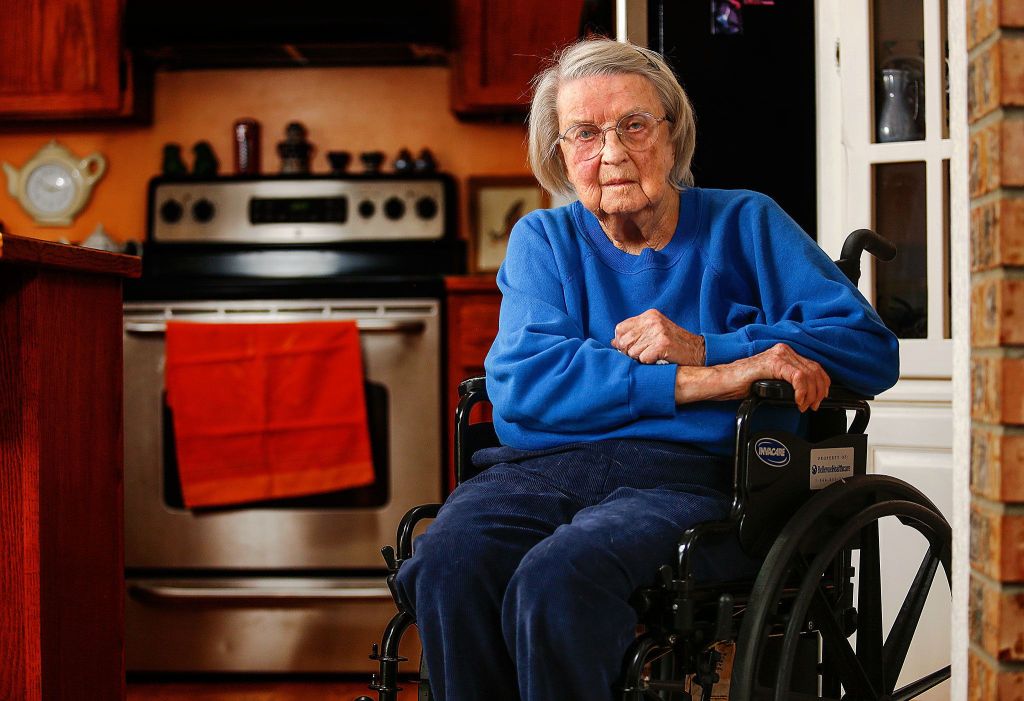
Marian Harrison, 85, of Arlington, watched this election carefully. She’s been politically active for years, volunteering to register voters and supporting local candidates.
This presidential race stirred up bad feelings, she said. She admires the way Clinton handled criticism.
“I’m very proud of the fact that when things are leveled at Hillary Clinton, she doesn’t take a real negative view of it,” Harrison said. “She just lets it pass by and keeps on going, and I think that’s what some people don’t like about her.”
Harrison would have supported the Democratic nominee whether they were a man or woman, she said, but having a woman in the race was “very significant.”
Many Republican women saw Clinton as a flawed candidate.
“To me, Clinton carries way too much baggage,” said Frauna Hoglund, of Everett, president of the Snohomish County Republican Women’s Club. “She’s not a role model for women.”
Kristine Scoville had similar problems with the candidate. The GOP activist from the Silver Lake area questioned Clinton’s honesty and judgment. She was troubled by her handling of classified government emails on a private server. She also was bothered by potential conflicts of interest between the nonprofit Clinton Foundation and Clinton’s dealings with foreign governments while serving as U.S. secretary of state.
Others saw overwhelming positives in a major party nominating a woman for what many consider the world’s most powerful job. That milestone buoyed many at the League of Women Voters of Snohomish County, a nonpartisan organization that grew out of the suffrage movement. During election season, its members avoid even the appearance of endorsing individual candidates though they support progressive causes, particularly open government.
Janet Chalupnik, a past president of the League’s local chapter, called the thought of a woman as president, “wonderful and surprising,” an act that would really open the door for more people to participate in politics.
“Of course I’m disappointed, but I can take heart in the fact that we do have a lot of women representatives in the state of Washington,” she said after election day.
In the 7th Congressional District, where Chalupnik lives, voters on Tuesday elected Pramila Jayapal, who is on her way to join the three other women representing Washington in the U.S. House. Washington’s two U.S. senators also are women.
Chalupnik noted that Washington has been ahead of the curve nationally in electing women to high office. Voters here elected their first female congresswoman, Catherine Dean May, in 1958; their first female governor, Dixy Lee Ray, in 1976; and their first female U.S. senator, Patty Murray, in 1993.
“I believe that while we didn’t get a woman for president this time around, it will happen,” she said.
Lena Stavig, a sophomore at Edmonds-Woodway High School, is the local League’s newest and youngest member. Stavig was born about a week before the 2000 election. She got to meet Clinton briefly during a campaign stop in March at Seattle’s Rainier Beach High School, thinking she’d crossed paths with a future president. Clinton’s concession speech on Wednesday included lines likely aimed at people like her.
“We need you to keep up these fights now and for the rest of your lives,” the defeated candidate said. “And to all the women and especially the young women who put their faith in this campaign and in me, I want you to know that nothing has made me prouder than to be your champion.
“I know we have still not shattered that highest and hardest glass ceiling, but some day, someone will, and hopefully sooner than we might think right now. And to all the little girls who are watching this, never doubt that you are valuable and powerful and deserving of every chance and opportunity in the world to pursue and achieve your own dreams.”
Die-hard Democrats campaigned locally for Clinton. In Snohomish County, nearly 55 percent of voters cast their ballots for Clinton, compared to less than 37 percent for Trump.
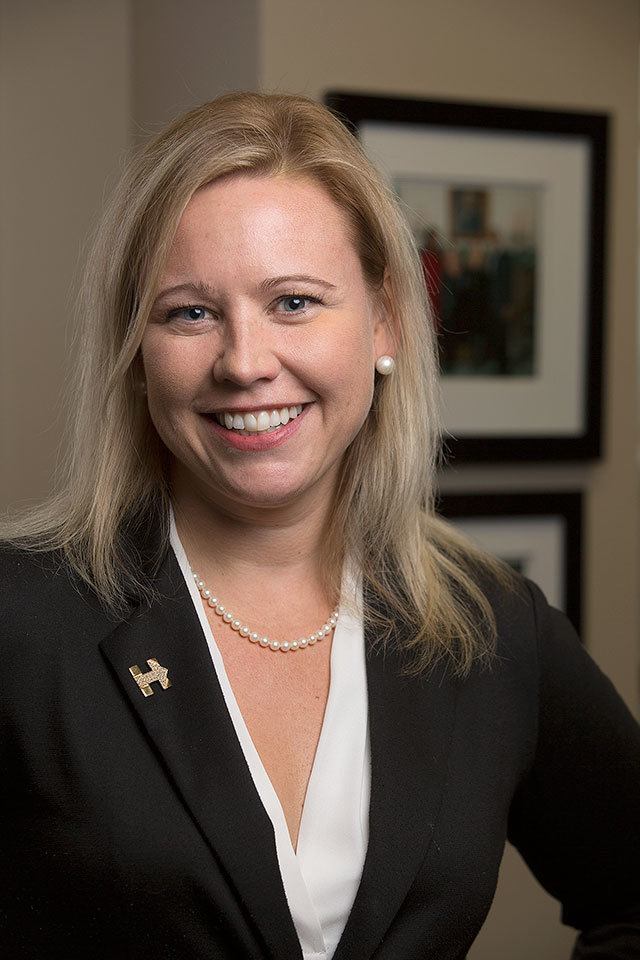
Public defender Rachel Forde, 38, brought an “I heart Hillary” T-shirt, a gold Clinton campaign pin and a bumper sticker back from the Democratic National Convention this summer. Forde bawled when Clinton gave her speech accepting the party’s nomination.
“Just to see a woman behind that podium that has only ever been occupied by men was so moving,” she said.
She feels saddened by the results of the election, like she no longer recognizes her country, she said.
The nastiness leveled toward Clinton, and toward women in general — with some Trump supporters suggesting women shouldn’t be voting at all, or would be happier staying home — helped Forde relate to Clinton. As a public defender, Forde has been called names and cursed at in the courthouse.
The silver lining to the ugliness during the election is that gender-equality issues have been put under a national spotlight, she said. The rifts in the country don’t look pretty, “but that’s the first step to change,” Forde said.
“I still have hope that there is a female president in our future,” she said. “Hillary brought us a little closer.”
Herald writer Jerry Cornfield contributed to this report.
Kari Bray: 425-339-3439; kbray@heraldnet.com; Noah Haglund: 425-339-3465; nhaglund@heraldnet.com.