Safety tips: Winter driving requires extra precautions
Published 1:30 am Monday, December 5, 2016
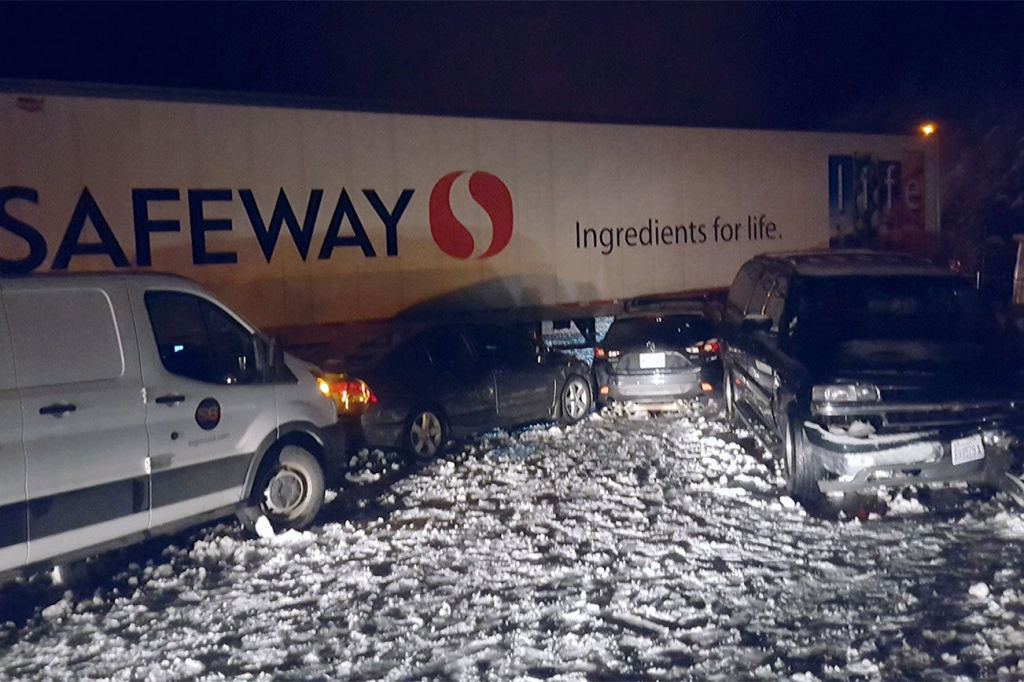


For those of us who smugly snort at the rainmaker-like sounds coming from a neighboring car’s studded tires, this is a good reminder to make sure you don’t overlook more basic winter-ready tips.
– Carry tire chains. The Washington State Patrol offers a Q-and-A on which cars can and can’t skip chains when called for in mountain passes (for example, studded tires on their own don’t get you out of that one either). The Q-and-A also lists approved alternatives to chains, like the “AutoSock.” Find more information at www.wsp.wa.gov/traveler/traction.htm.
– Drive slower. Put more space between you and the car in front of you.
– Know your brakes and when and how to use them. In a turn, brake first, then turn, then accelerate. In a skid, don’t brake, but continue to look and steer in the direction you want to go.
– Gas up. Keep your gas tank at least half-full.
– Battery up. In cold weather, driving range often is reduced for hybrid and electric vehicles.
– Carry an emergency kit. It should include jumper cables, flares, an ice scraper, first-aid kit, flashlight, cellphone charger, water and snacks, and boots, gloves and warm clothing. Other options include music and games, a snow shovel, blankets, and sand or cat litter to help tires gain traction in snow or ice.
– Know before you go. Before a trip, get your vehicle a tune-up, check fluids along with tire tread and pressure, and check off other routine maintenance tasks. Check travel advisories for weather and closures; a good place to start is wsdot.com/traffic.
If you find yourself stranded, stay in your car, put on your flashers, call for help and wait until it arrives.
Have a question? Email us at streetsmarts@heraldnet.com. Please include your first and last name and city of residence. Look for updates on our Street Smarts blog.