Snowfall brings gate closures at parts of Mountain Loop Highway
Published 1:30 am Saturday, December 17, 2016
VERLOT — The gates that block car access to about 13 miles of the snowy Mountain Loop Highway also serve as markers for some of the scenic byway’s popular winter play areas.
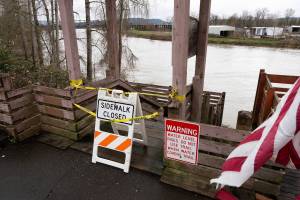
On Monday, Snohomish County closed the gate at Deer Creek and the U.S. Forest Service closed gates at Bedal and Barlow Pass. The gates are shut each year once enough snow has fallen to make the stretch of the Loop from Deer Creek to Bedal treacherous.
Part of the narrow, gravel portion of the road remains open. There are people who live year-round in two remote neighborhoods along that part of the Loop.
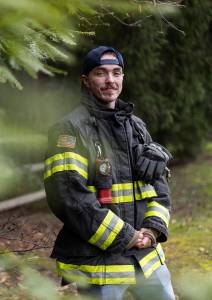
Mid-December is a normal time for the snow to start accumulating and the gates to close, said Peter Forbes, Darrington district ranger. The past two years have seen later closings because of less snow, especially early in the season.
The Deer Creek gate, about 12 miles east of Verlot, is a popular spot for people to park when they venture up the Loop in search of snow. On winter weekends, families can be found sledding, building snowpeople and sprawling out to form snow angels. Intrepid hikers with snowshoes or cross country skiers might park at the gate and head past it on foot. In January and February, the forest service plans to put on guided snowshoe hikes, Forbes said.
Some of the Loop’s most popular destinations remain accessible, depending on weather and local road conditions. The Lake 22 and Heather Lake trails draw people with snowshoes. The road to the Mount Pilchuck trailhead is closed past Heather Lake.
“That’s fairly typical for winter,” Forbes said. “The road’s steep going up to the Pilchuck trailhead. At some point, search and rescue just kept having to go up there to get people out, so we started closing it to avoid those problems.”
No matter where people go in the mountains this winter, they should be aware of the risks from slick roads, cold temperatures and long hours of darkness. Many locations also are subject to avalanches. At the Big Four Ice Caves, which draws tens of thousands of visitors each year, the sheer slope of Big Four Mountain makes for fairly frequent avalanches.
“With that storm we’ve had over the last week or so, we’ve already had reports of avalanches at the Ice Caves,” Forbes said. “It’s always a dangerous place, and it’s no less so in the winter than in the summer. Especially on steep slopes, it doesn’t take much snow for it to start sloughing off.”
People should check the avalanche danger at www.nwac.us before they head out. The Northwest Avalanche Center doesn’t have forecasts for specific locations but can give people a general idea of the risk around the area.
People also should wear warm clothes and bring extra blankets, water and food for a day up the Loop this time of year. They should have chains for their tires. They should tell someone where they plan to be, when they plan to be back, what they’re driving and what equipment they have with them. That can help search and rescue crews find them in case of an emergency.
The forest service and county typically reopen the full Loop in the spring. Officials start looking at road conditions in late April or early May to decide if the gates can open, Forbes said. They plan to have them open before Memorial Day weekend, which tends to be the kick-off for camping season.
Kari Bray: 425-339-3439; kbray@heraldnet.com.