Snohomish County Muslims celebrate end of Ramadan
Published 1:30 am Monday, March 23, 2026
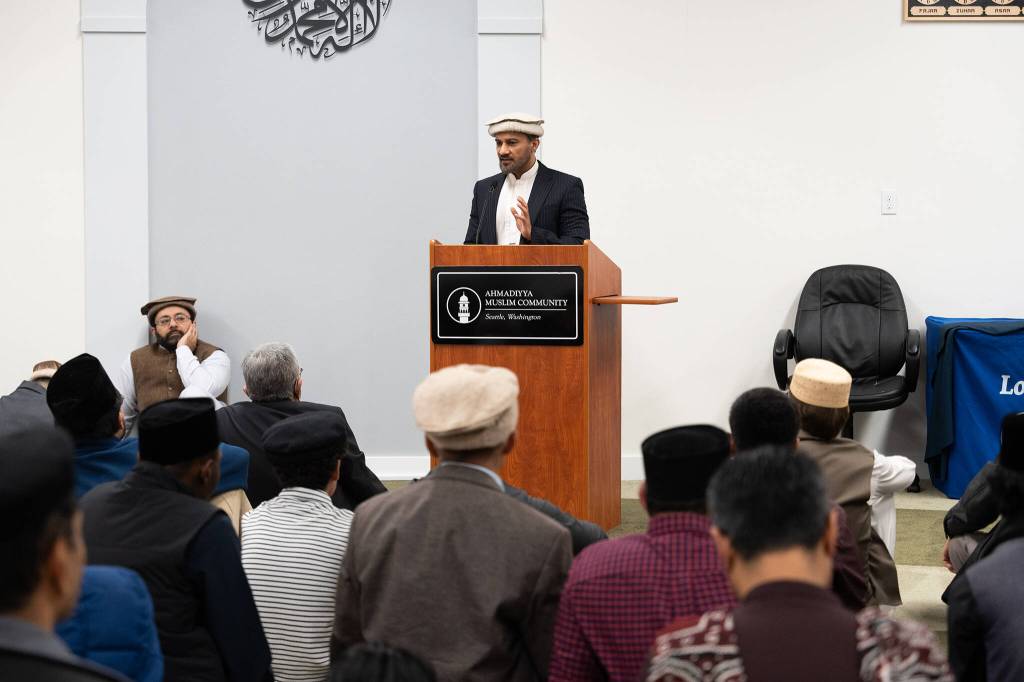
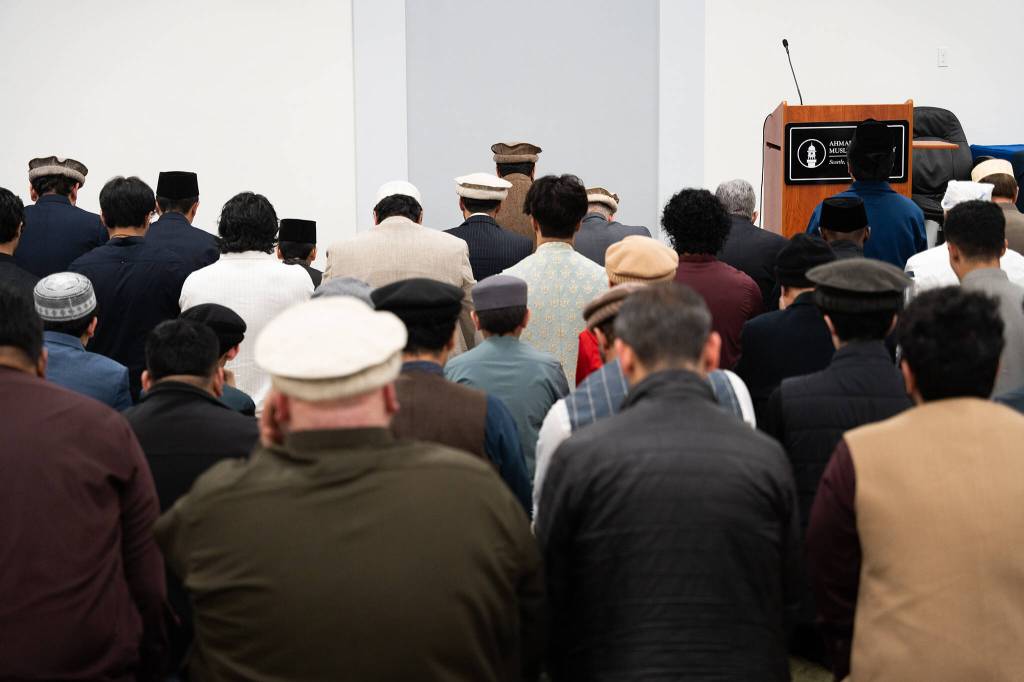
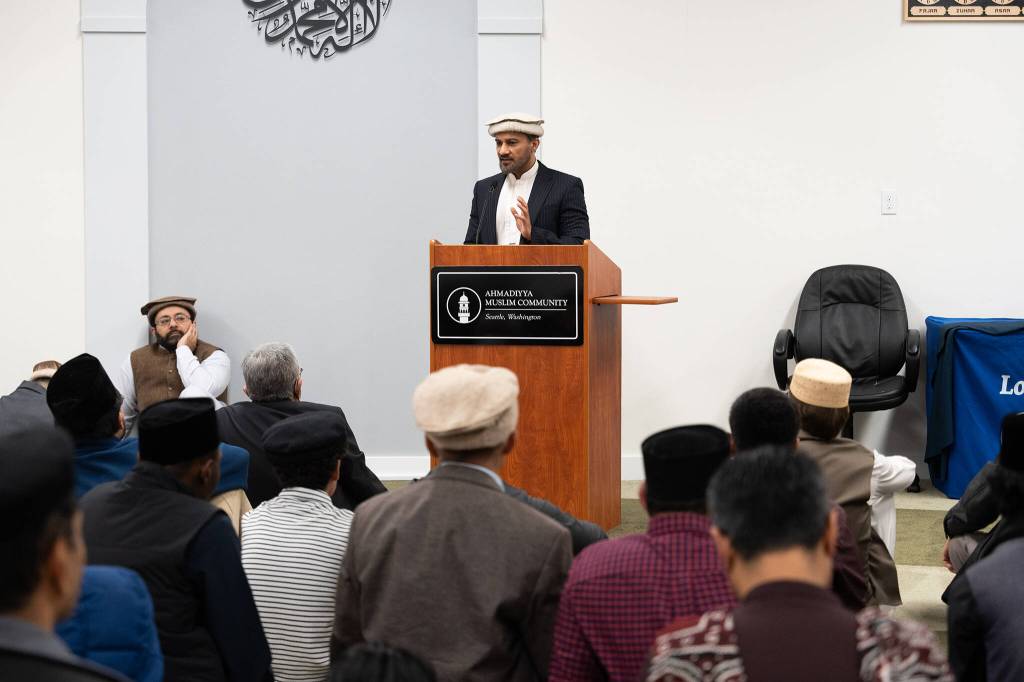
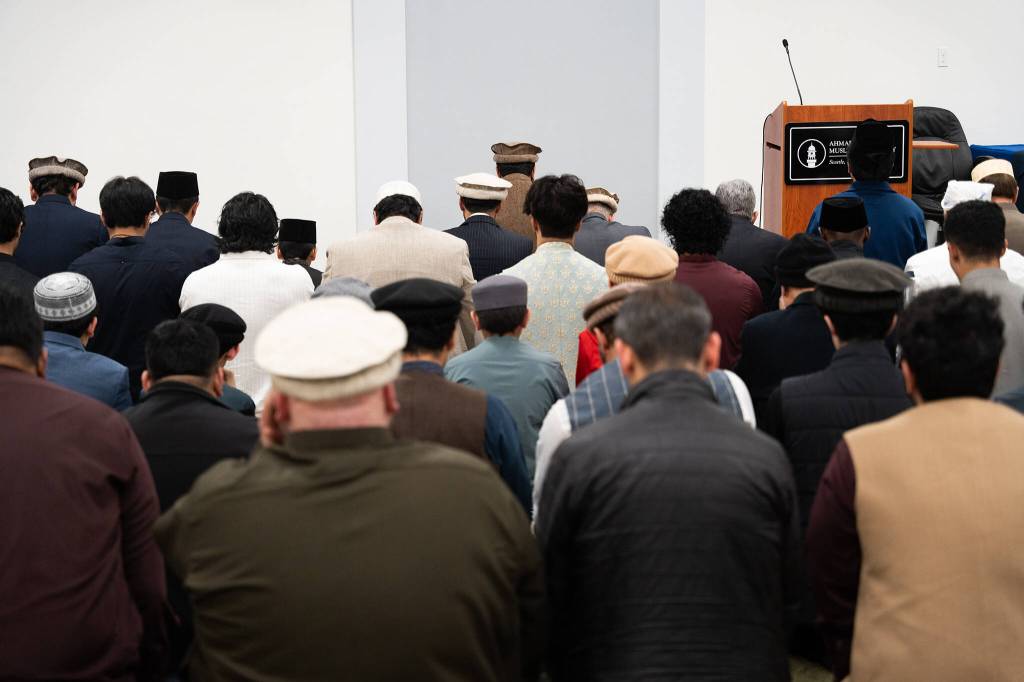


MONROE — Muslims across Snohomish County gathered on Friday to celebrate Eid al-Fitr, a holiday that marks the end of the month of Ramadan.
At the Bait-ul-Ehsan mosque in Monroe, dozens of people came together to pray and eat as part of the holiday, a day for both celebration and reflection, said Waqas Nazir, the president of the Bait-ul-Ehsan mosque.
Ramadan is a holy month in the Islamic calendar, a time when Muslims will fast, say prayers, and donate to those in need. This year, Ramadan began on Feb. 17 and ended on Thursday.
Between sunrise and sunset during Ramadan, Muslims do not consume food or drink, including water.
“We give up food and water to empathize with those who don’t have all meals in the day,” Nazir said.
At the end of every day in Ramadan, Muslims break their fast with iftar dinners. Usama Ahmed, the public affairs secretary at Bait-ul-Ehsan, said the mosque provided daily iftar meals for the community, feeding between 70 to 200 people per night.
“Which, as you can imagine, is a lot of cooking,” Ahmed said.
Nazir said Eid al-Fitr marked a day not just to celebrate, but also to reflect on one’s progress and shortcomings, their spiritual state, and the spiritual state of the broader world.
“Most of our celebrations, they’re not just for the sake of happiness and meals, but there’s a deeper meaning behind it,” Nazir said. “If you don’t think about that, then you’re missing the point of those celebrations.”
Will Geschke: 425-339-3443; william.geschke@heraldnet.com; X: @willgeschke.