County program brings new tech to flood-impacted farmers
Published 1:30 am Friday, March 27, 2026
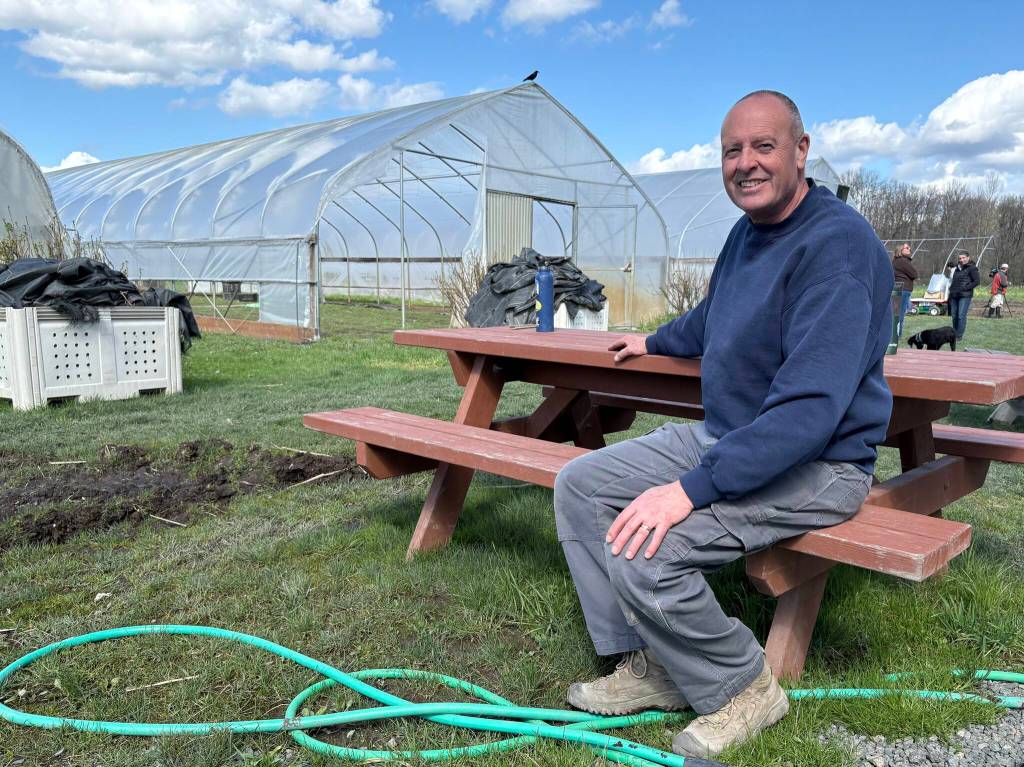



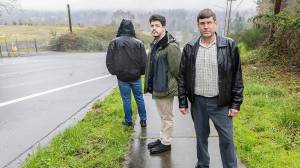
SNOHOMISH — Jim Eichner, founder of Food Bank Farm south of Snohomish, lost nine greenhouses when the Snohomish River rose to over 34 feet in December.
Everything Food Bank Farm grows is donated to food banks, Eichner said in an interview Thursday.
“It just looked like the Mississippi River. It was like a mile across, and it’s just moving,” he said. “Lots of round bales went cruising down, and even though they’re buoyant, they’re not really light. They weigh 1,000 pounds.”
Hay bales and other debris destroyed fences, greenhouses and other structures, Eichner said. There was about $200,000 worth of damage to his farm and others in the surrounding area, he said.
At the time, he reached out to Linda Neunzig, the county’s agriculture coordinator. She was in Korea, exploring startup tech companies that could benefit Snohomish County farmers. “Bringing their tech here to Snohomish County to try it out, do proof of concept and benefit our farmers,” she said on Thursday.
One such startup is SunXel, a company that makes a variety of products that reflect and filter ultraviolet and infrared rays from the sun.
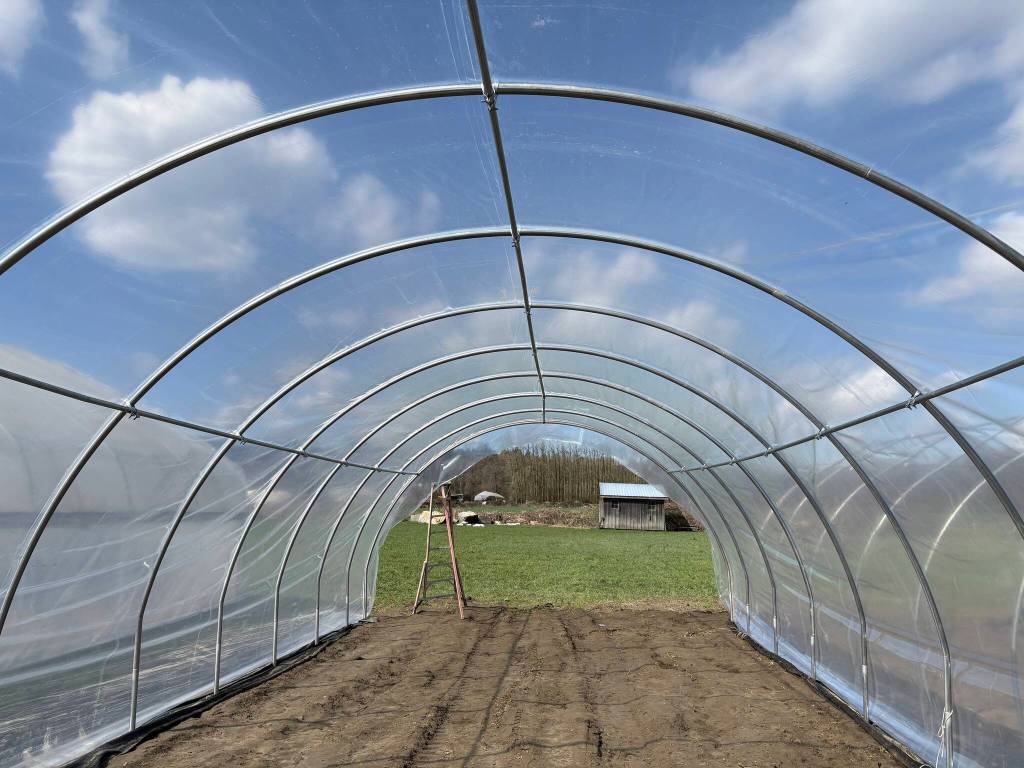
On Thursday at Food Bank Farm, the company’s greenhouse film was installed for the first time in the U.S. as part of the county’s effort to help farmers recover from the flood.
“It’s not just about them not having to go out and buy film. It’s about increased production and increasing the amount of time that they will have in the season to be able to grow,” Neunzig said.
While the specialty film will keep plants warmer in winter, like a traditional greenhouse, it will also keep them cooler in summer, SunXel Chief Executive Officer InGyu Kim said on Thursday. It not only provides good sunlight to the plants, but protects against too much sunlight, he said.
“Depending on the climate and the reason, we can come up with better ones according to the farmer’s needs,” he said. “I already talked with the farmers here, you know, what they need. Depending on the crops, they all have different temperature needs, right? So, we can customize it for them.”
It’s not just the plastic, it’s the “science inside the plastic,” Kim said with a laugh. Science that Chief Technology Officer JaeJung Park researched for 10 years.
“I’ve worked with lots of founders,” said Jonathan Moore, head of programs for Brinc, a Snohomish County partner.
Brinc promotes startups and gives them tools for growth.
“I think these guys are very compassionate,” Moore said on Thursday. “Hearing about the flooding, they were like, ‘How can we help? We want to send more.”
SunXel donated two boxes of the film and sold 10 at a discount, which was distributed to 12 farmers, Neunzig said. It was funded by the Floodplains by Design grant program through the State Department of Ecology.
At Food Bank Farm on Thursday, one new greenhouse stood fully covered with the new film while another was in process.
“We’re going to do a side-by-side experiment with the old school film and the new greenhouse, two exact same greenhouses growing the exact same things, and we’ll see,” Eichner said. “Every year, it’s nice to have a little experimental project and this is fun to watch and see what it does.”
Eichner will remain in contact with SunXel throughout the process, he said.
Food Bank Farm primarily operates with the help of volunteers.
“We have over 1,000 volunteers a year out here, and I invite anybody who’s interested to come out and volunteer with harvesting or rebuilding,” Eichner said.
Those who wish to volunteer can sign up at holycorssredmond.org/food-bank-farm.
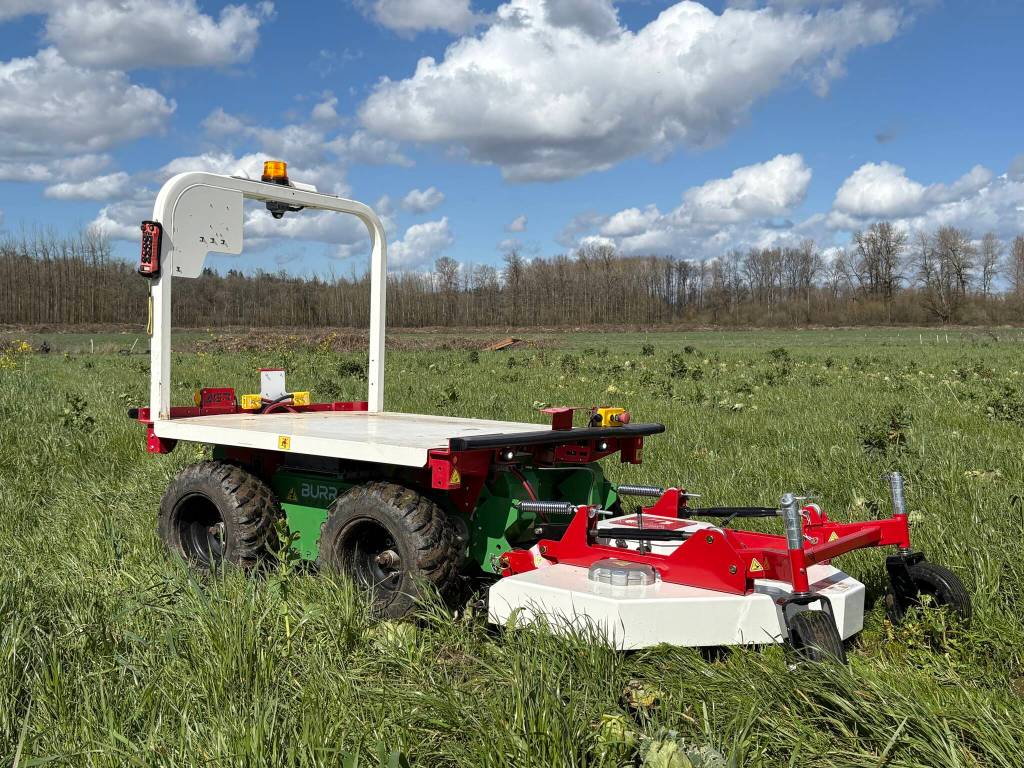
Also on display was Snohomish County’s Burro, an autonomous buggy that farmers can borrow from the county through the Agriculture Technology Program. On Thursday, county staff were testing out a new mowing attachment.
“I was curious to see that, because a mower takes some power and it seemed to just whip right through that stuff,” Eichner said.
The Ag Tech Program began in 2020. The county also has a smaller Burro available for use and soil moisture sensors that measure moisture and temperature up to two feet below the surface.
Taylor Scott Richmond: 425-339-3046; taylor.richmond@heraldnet.com; X: @BTayOkay