Smaller jetliners are the future, says an aerospace maven
Published 1:30 am Thursday, February 6, 2020



LYNNWOOD — Here’s what airline passengers are willing to pay extra for: non-stop rides to their destinations.
Here’s what airlines are figuring out: By flying passengers point-to-point on a mid-sized or single-aisle plane, they can save on operating costs and increase profits.
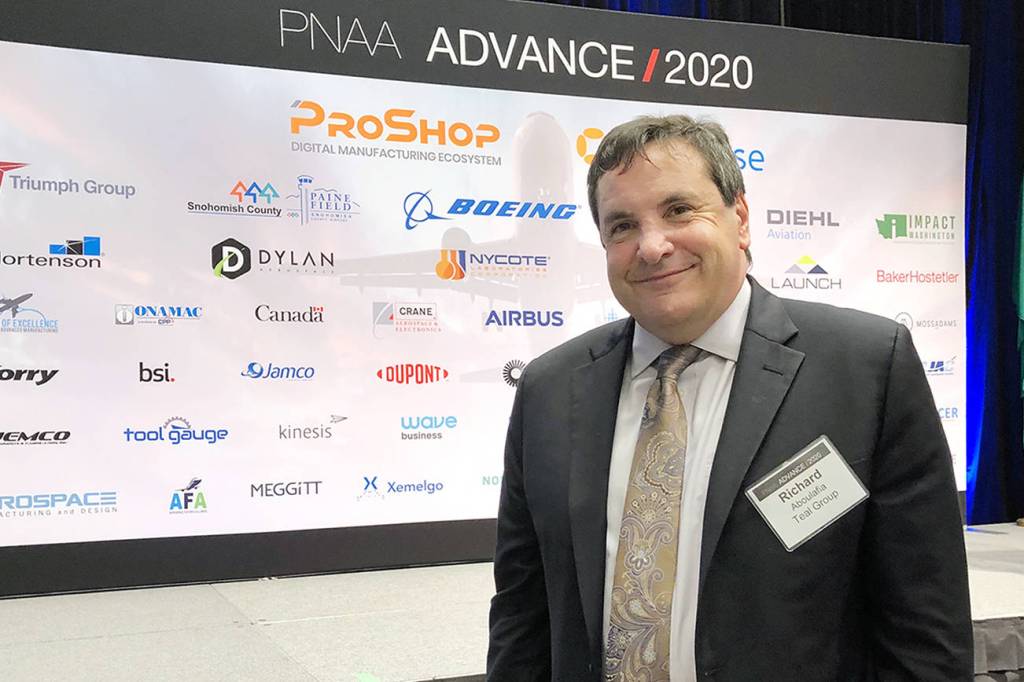
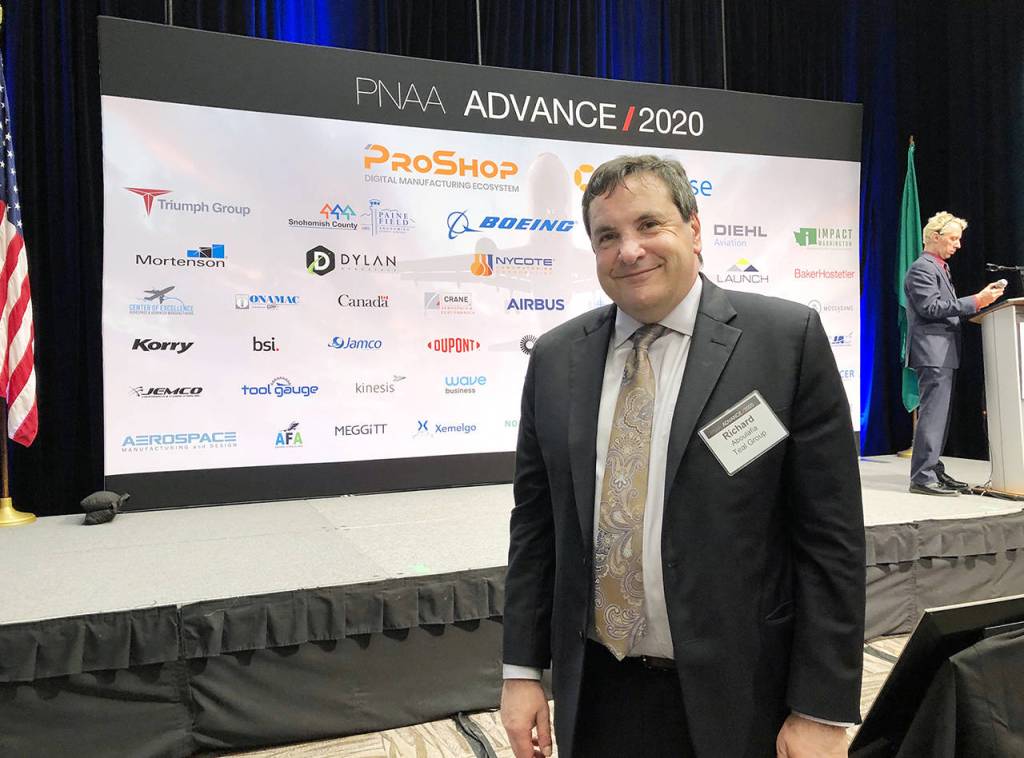
As a result, demand for larger, twin-aisle airplanes, such as the Boeing 777 or Airbus A330, is falling worldwide. The exception is the 787, aerospace analyst Richard Aboulafia told participants at the Pacific Northwest Aerospace Alliance conference Wednesday at the Lynnwood Convention Center. Aboulafia is considered one of the world’s top aerospace industry experts.
“Airlines can charge more because there’s no changing planes,” said Aboulafia, vice-president of the Teal Group, a consultancy.
In years past, single-aisle aircraft accounted for about 50% of commercial airplane sales, and wide-body planes made up the other half. Now the percentage of single-aisle sales is increasing, reaching 60% to 70% of all commercial airplane sales.
Declining demand for Boeing’s twin-aisle lineup could have consequences for Everett, home to the company’s main wide-body assembly plant. It employs about 40,000.
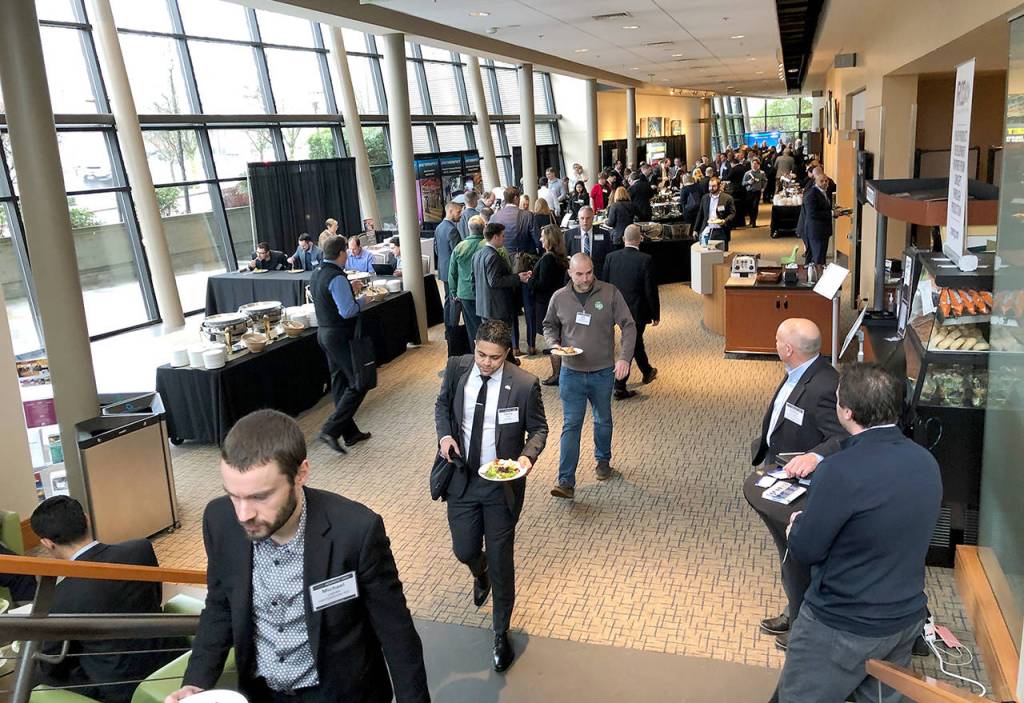
The Pacific Northwest Aerospace Alliance conference drew more than 300 participants, including representatives from Boeing and Airbus and other airplane makers, as well as regional manufacturers that supply the global aerospace industry with everything from airplane interiors to specialized welding services.
Suppliers were concerned about the shutdown of 737 Max production, built at Boeing’s Renton assembly plant. A show of hundreds of hands in a crowded ballroom revealed that roughly three-quarters of the audience was part of the 737 Max supply chain.
While the return of the 737 Max is on everyone’s mind, suppliers also want to know what the future might bring. Will Boeing launch a much-anticipated New Midsize Airplane, the so-called NMA that has been informally dubbed the 797? Or an alternative — a Future Small Aircraft (FSA), a single-aisle series that would seat 160-220 passengers and cover the bulk of the current 737 market?
“I’ve had my doubts about the new mid-market airplane,” Aboulafia said. The NMA has been widely discussed as a twin-aisle, 220- to 270-seat airplane, the next project on Boeing’s drawing board.
But with demand for wide-body airplanes slipping, it might make better sense to build an FSA.
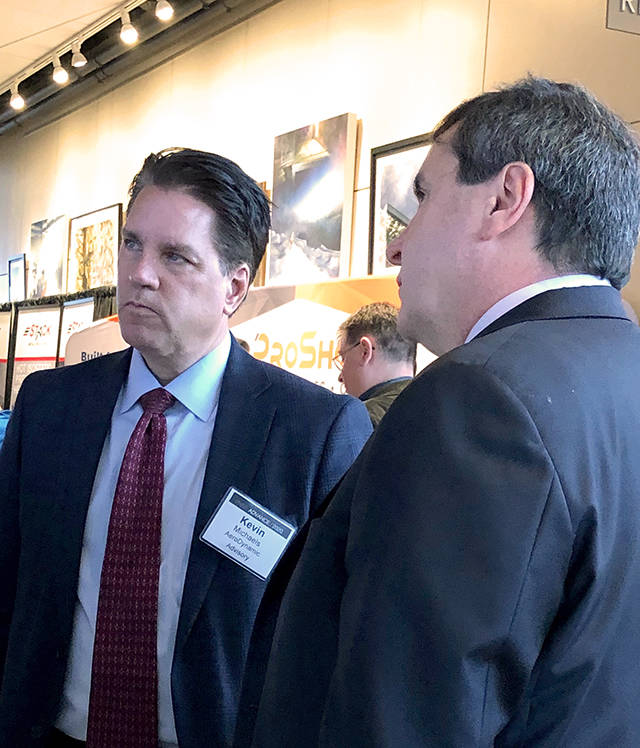
Aerospace analyst Kevin Michaels, managing director of AeroDynamic Advisory, a consulting firm in Ann Arbor, Michigan, agreed.
About 50% of commercial aircraft are leased, and the cost to lease a wide-body is getting cheaper, Michaels said.
The demand for a new single-aisle plane is there, both Aboulafia and Michaels said.
Now it’s up to Boeing to respond.
Boeing’s new CEO, David Calhoun, said last week during a conference call that any decision about the NMA is being put on a slower track while the company re-evaluates airline needs.
“That’s OK for now,” Aboulafia said, but if the company doesn’t launch a new airplane program to counter Airbus’ line of single-aisle airplanes, “the consequences are dire.”
Boeing needs to launch a “A320neo-A321XLR killer,” Aboulafia said, referring to Airbus’ bigger single-aisle models and their robust sales.
“Do nothing” and Boeing risks ceding a huge portion of mid- to smaller-sized airplane sales to Airbus, Aboulafia said.
“Calhoun is really in a crucial position at a crucial time,” Aboulafia said.
Bottom line: If Boeing doesn’t make it, Airbus takes it, he said.
Boeing’s 737 Max back orders are about 5,000 from 100 customers. Production of the 737 Max is expected to continue through 2030, Aboulafia said.
The need for a new Boeing NMA or FSA is expected before then.
If Boeing does decide to launch a new plane, where do you build it? Renton, Everett, somewhere else?
How about Everett? There’s a big bay in the factory there that could be empty in two or three years.
Every two months, the Everett assembly plant rolls out a new 747-8. But unfilled orders for the four-engine, 51-year-old jet number just 17, according to the company’s latest Securities and Exchange Commission filing.
That opens a big bay at the plant by 2022 or so.
“Why not” build a single-aisle model in Everett? Aboulafia said after his presentation on Wednesday.
If Boeing builds it, “they’ll get it right,” he said. “I hope they respond.”
Aboulafia was critical, meanwhile, of Boeing’s current investment strategy. Instead of returning billions of dollars to shareholders, it needs to invest money in research and development, he said. Boeing recently borrowed nearly $11 billion and returned more than half of that, $6 billion, to shareholders.
“Chicago seems to have a certain idea of how to run a company,” Aboulafia said. “That needs to change.”
Janice Podsada; jpodsada@heraldnet.com; 425-339-3097; Twitter: JanicePods