July checklist for Snohomish County gardeners
Published 1:30 am Friday, July 1, 2022
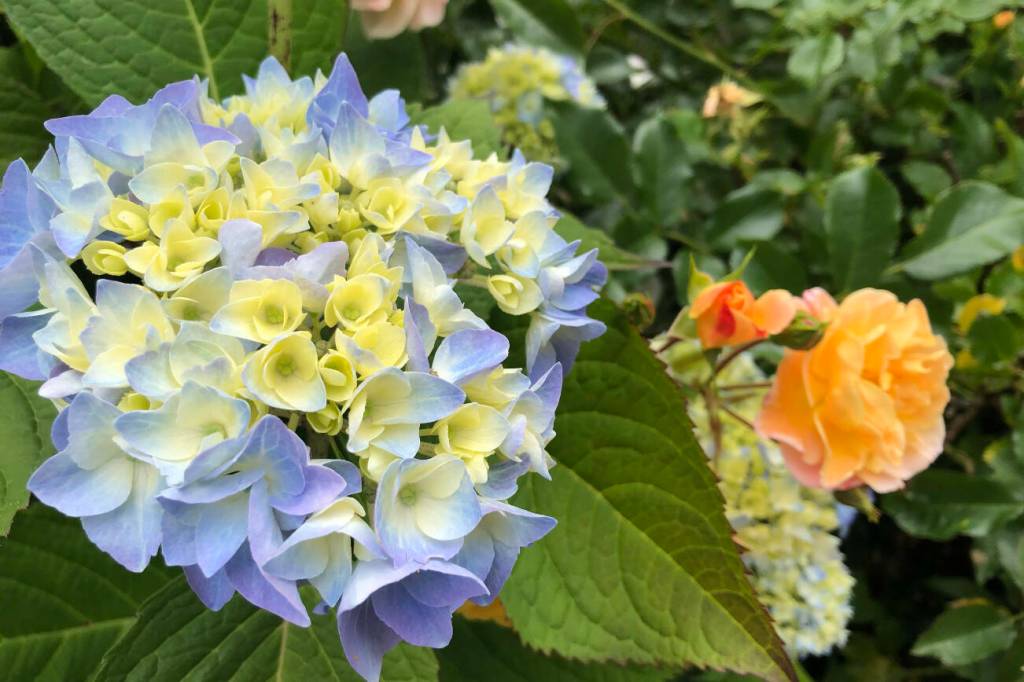
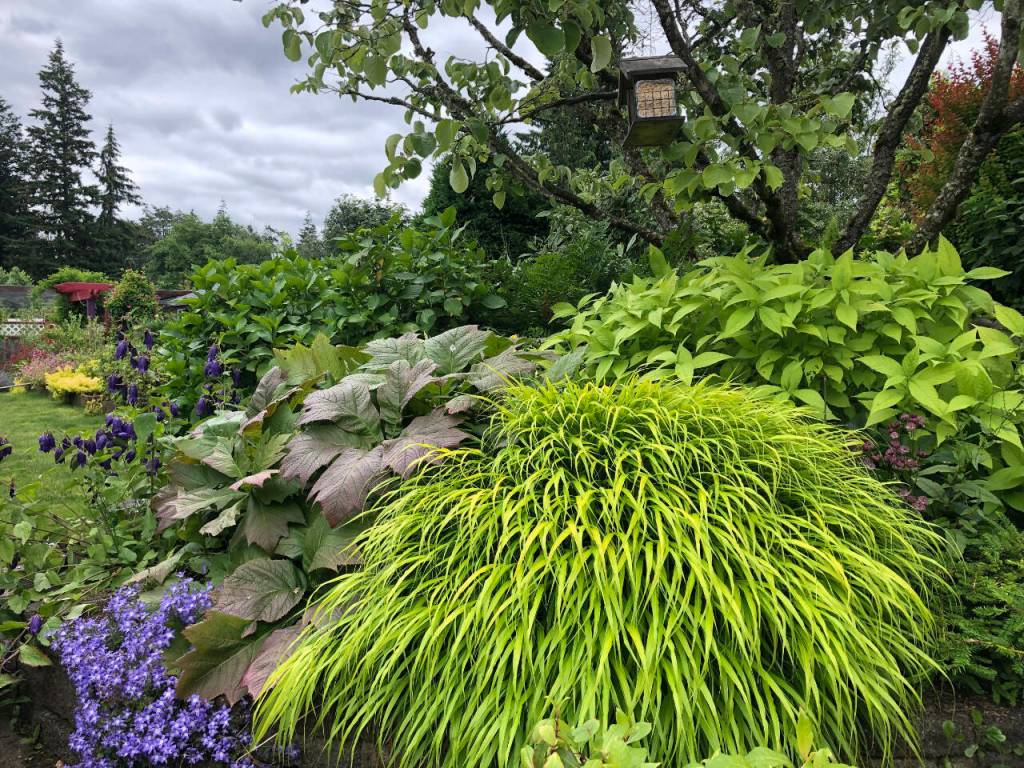
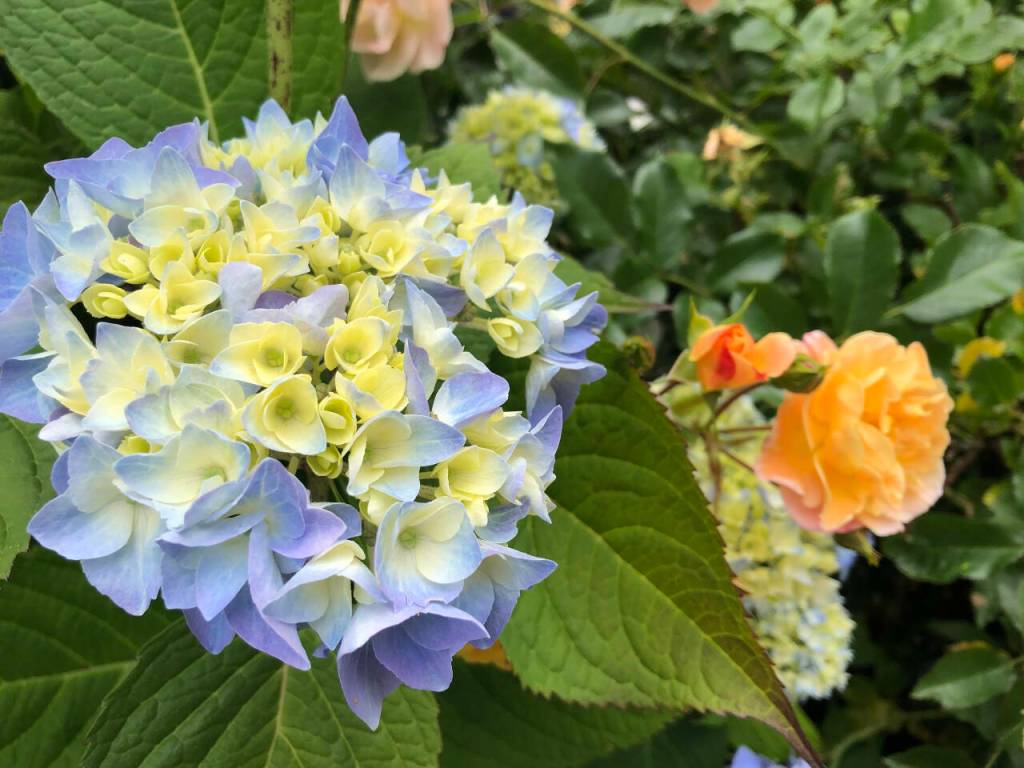
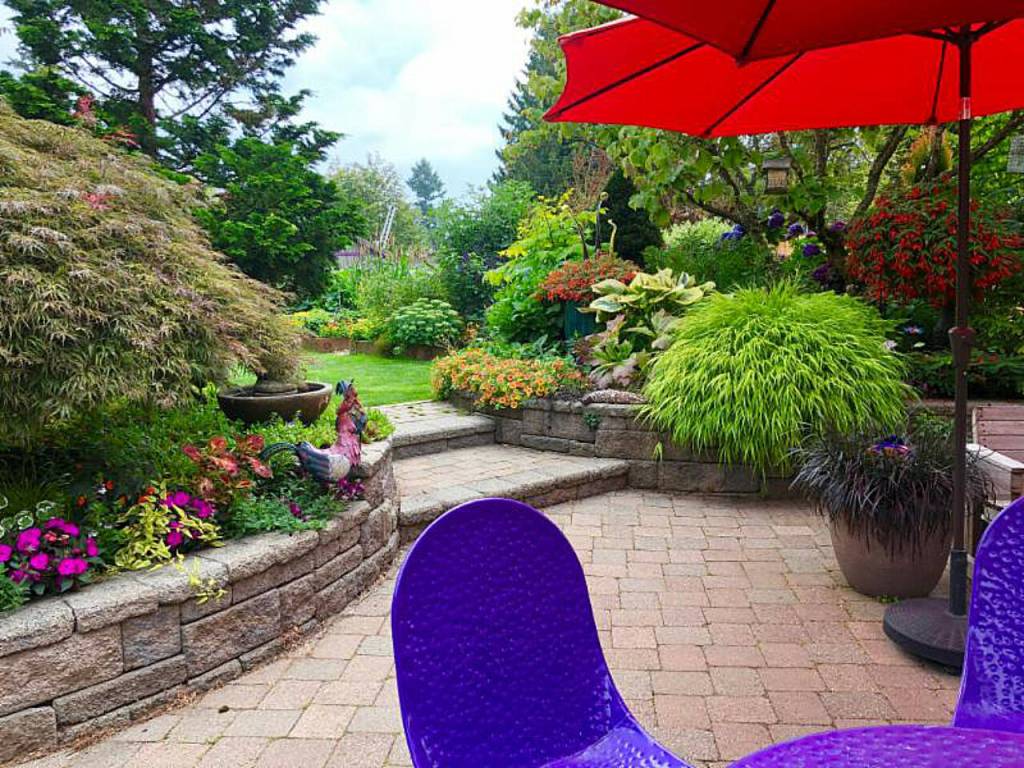
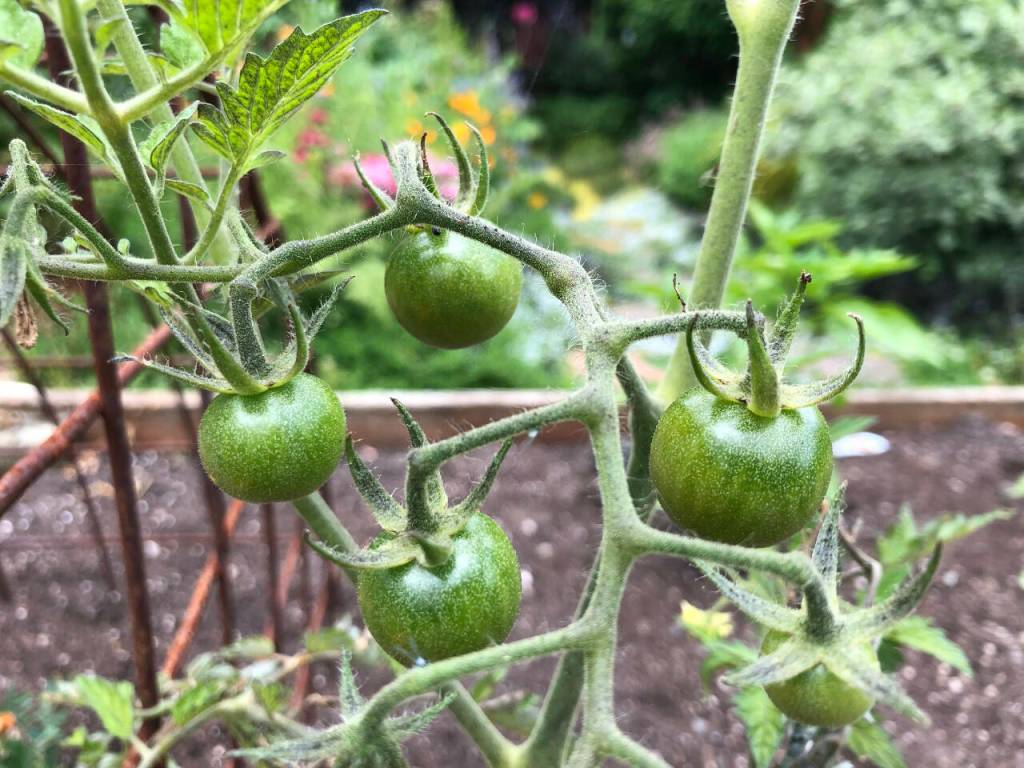
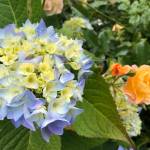

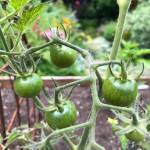
Normally, July would be the time of year to kick back and enjoy the fruits of our labors, as the zucchini starts to produce, the tomatoes begin to color up (at least the cherry types), the summer blooming perennials dance into bloom, and my containers fill out into the glorious compositions I envisioned when I planted them.
But alas, to no surprise to anyone, things are late this year — very late.
As I reflect on my own garden — which is still in the early stages of development where plants are in varying degrees of “sleeping,” “creeping” and “leaping” (and BTW, the fourth phase of this evolution is “weeping,” when I start ripping things out that were planted too close to each other) — I am humbly reminded that not all things in the garden (and certainly in life as a whole) are in my control. As much as I do enjoy reveling in my successes and begrudgingly mourning my failures, much of what goes on in the garden is a result of the constant battle between “nature” and “nurture.” While I can’t do much about the “nature” part, I can help with the “nurture” part — and to that end, here are some things to consider in the month of July.
PLANTING: Never, and I repeat, never, stop planting! No matter how gloomy the world seems to be, planting something new in the garden is an act of optimism that is a marvelous antidote for the daily bombardment of despair we are subjected to. Remember, there is always room for one more plant. Celebrate diversity and inclusivity in your garden, it will help broaden your horizons to the incredible variety of life in this world.
FEEDING: By now I would have fertilized and mulched all my beds and be focusing only on watering. Obviously, like most of you, I am behind in these tasks. Just like animals, plants benefit from food, and with all the rain up to this point, nutrients have been washed out of the soil, so it is even more critical to apply fertilizer. For perennials, vegetables, shrubs and trees, a slow-release organic fertilizer is the way to go. When it comes to annuals, especially if they are in containers, my preference is a soluble fertilizer like Sea Grow. It has the quick release of a soluble synthetic plus the added slow-acting feed from organic seaweed extract. It works like magic in my containers.
PRUNING: Normally by now the apples would have done their “June drop” when they naturally thin themselves out, and I would have completed pruning any hedging material. Once again, things are late, so there is still time to tidy up the hedges and even remove water sprouts from plum (both ornamental and fruit bearing) and pear trees. Some perennials, like delphiniums, will re-bloom in the fall if cut back right after they finish blooming. Keep your annuals deadheaded and they will continue to bloom all summer long.
STAKING: Before the proverbial horse is out of the barn, stake up those tall growing perennials. I’ve always thought that if I plant enough plants close together, they will hold each other up, but it doesn’t always work. All it takes is one windy and wet day to knock everything flat on the ground. You can buy all sorts of contraptions to help hold them up, but they don’t work if you leave them in the garden shed. Get them installed before the calamity strikes, because you know it will sooner or later.
INSECTS AND DISEASES: Watch for damage and only spray when you know what you are dealing with. Most insect issues can be tolerated without any serious consequences. For mildew on shrubs and trees, the best strategy is to prune out diseased branches and fertilize. For roses, perennials, annuals and veggies, it is best to be proactive and apply a fungicide as a preventative.
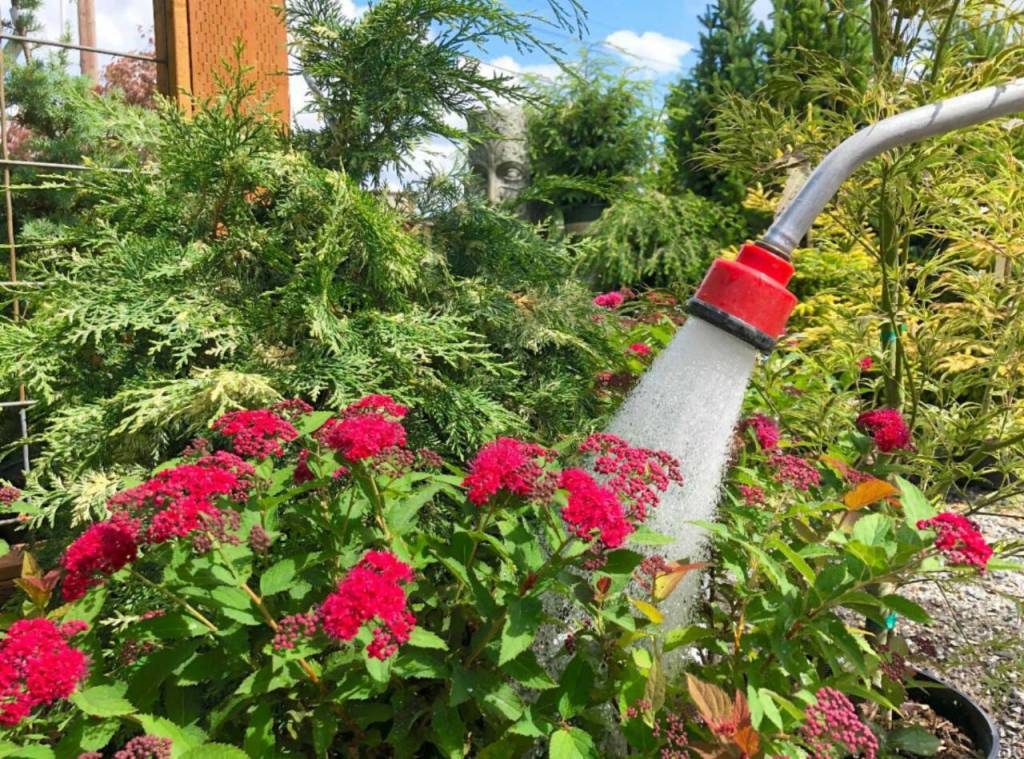
WATERING: Hopefully, we will have more than the few days of “summer” like we experienced last week, and our gardens will once again need to be watered. Water intelligently! Established trees and shrubs may only need water once or twice a month, while shallow-rooted annuals and perennials can usually get by on two or three times a week. Containers of course, will probably appreciate daily watering, especially after they have filled out.
I am optimistic that July is going to be a delightful time in my new garden, and I hope it will be the same for all of you. Keep planting, keep nurturing, and let your garden lift your spirits on a daily basis. Gardening is a glorious panacea for whatever ails us, and it is something all of us can do. Stay safe and keep at it.
Steve Smith represents Sunnyside Nursery in Marysville and can be reached at sunnysidenursery@msn.com.