Lost jobs mean lost health care for 1,000s in Everett area
Published 1:30 am Sunday, May 3, 2020


EVERETT — Thousands of Snohomish County residents are losing their health insurance along with their jobs, as restrictions ushered by the coronavirus pandemic have left businesses bleeding revenues.
From mid-March to mid-April, the rate of uninsured people in Washington surged from about 6.7% to more than 10%. That’s according to a recent state analysis that made estimations based on census data and unemployment application figures.
Snohomish County saw the biggest jump of any of the state’s 39 counties, with the uninsured rate almost doubling from 7% before the pandemic to nearly 13% as of April 18, according to the report by the Office of Financial Management’s Forecasting and Research Division.
“There are more patients who have lost insurance because they’ve lost their job,” said Dr. Audrey Gray, a physician at Sea Mar Community Health Centers’ Marysville medical clinic. “On a daily basis, I hear those stories.”
The clinic recently heard from a cancer patient who could no longer see an oncologist after losing health benefits, she said.
As ex-employees lose health benefits, so will the family members who were covered under their plans.
The influx of uninsured is bound to put additional stress on a health care network that has been battered by the COVID-19 crisis, providers say. Some clinics that serve those without insurance now face the risk of closure because of financial losses they’ve suffered during the statewide shutdown.
The entire system will bear the brunt — as will individual patients, who could struggle to find affordable care and wait longer to get it.
“It’s just going to create this financial burden on the health system and on the individual,” said Sandy Solis, executive director of Safe Harbor Free Clinic in Stanwood.
Traffic there has generally fallen during the pandemic. But Solis has observed a slight uptick in new, uninsured patients — and she’s bracing for more as the state gradually relaxes social distancing measures.
“There’s just so many unknowns right now that it’s really hard to speculate exactly how this is going to wash out,” she said. “We’re not sure how many people are going to have a job to go back to.”
[infogram id=”3d6bbc6b-ada8-4622-917c-c8a453fab2e0″ prefix=”Zpu” format=”interactive” title=”Washington uninsured rates”]
A ‘dwindling safety net’
The pandemic has driven home the need for everyone to have access to quality, affordable health care, said Christine Lindquist, executive director of Washington Healthcare Access Alliance, the state’s free clinic association.
“If we’re not all protected, none of us are protected,” she said. “If one of us can be exposed to the virus, then we can all be exposed.”
But getting that health care is becoming harder, particularly for uninsured folks, Lindquist said. Programs for low-income people and other vulnerable individuals have faced serious cuts over the past 15 years, she said.
“More people will rely on what is a dwindling safety net,” Lindquist said.
It has been estimated that 52 percent of the people in Washington state who have health insurance are covered through an employer, she said. That figure was around before the coronavirus crisis and the resulting layoffs.
The state study found that, among adults ages 18 to 64, the uninsured rate statewide has swelled from 9.7% prior to the outbreak to more than 15%. Overall, about 273,000 people across Washington lost their coverage in five weeks, bringing the state’s total uninsured to roughly 795,000 as of April 18.
More than 112,000 people in Snohomish County filed initial claims for jobless benefits through the state Employment Security Department between March 1 and April 25. Not all of those who filed have lost their jobs, though. Some are still working but are eligible for aid because their hours were reduced. Others were furloughed.
Enrollments have also surged in the federal and state program that assists low-income people with medical costs. The state has seen a “significant increase” in Medicaid registration, with about 1,200 new enrollments per day, said Amy Blondin, a spokeswoman for the Washington State Health Care Authority. On roughly half the days between March 20 and April 19, more than 100 of those people were in Snohomish County, according to data from the authority.
A ‘real’ risk of clinic closures
At a time when many people’s coverage is on the chopping block, the community health centers that often serve those without insurance are facing financial pressures that could shutter clinics.
“It is the supreme irony of the situation,” said Bob Marsalli, CEO of the Washington Association for Community Health.
There are more than two dozen such centers that offer medical, dental and behavioral health services at hundreds of clinics across the state — regardless of a patient’s ability to pay, Marsalli said.
“Even health insurance on the marketplace can be unaffordable for someone who’s living paycheck to paycheck,” he said.
Most community health centers rely heavily on revenue from their dental practices, which have largely been limited to emergency procedures as the COVID-19 crisis has intensified. The demand for other services, too, has fallen as people stay home to stay healthy.
A recent analysis commissioned by the association found that revenue shortfalls associated with the pandemic could force nearly 170 community health center sites to shut down by mid-September.
The analysis pegged the resulting revenue loss at a staggering $473 million, resulting in clinic closures that would leave roughly 8,000 people out of work and affect more than half a million patients.
“The risks are real,” Marsalli said. “We’re looking at all kinds of financial relief, whether it’s from the state or the federal government.”
He added that the federal Coronavirus Aid, Relief and Economic Security (CARES) Actprovided some money to community health centers, but that the amounts were “paltry” in comparison to what’s needed to keep them all afloat.
“We’re hopeful that many, many will come through,” he said. “But I doubt any of them will make it all the way through to the other side of this without some modicum of injury.”
The results, Marsalli and others agree, could be devastating.
“We certainly can’t afford to lose community health center capacity in Snohomish County or anywhere else in the state,” said state Rep. June Robinson, a Democrat from Everett who spent eight years working for Community Health Center of Snohomish County. “They play a really huge role, especially in serving our Medicaid population and people who don’t have access to care otherwise.”
A storm to weather
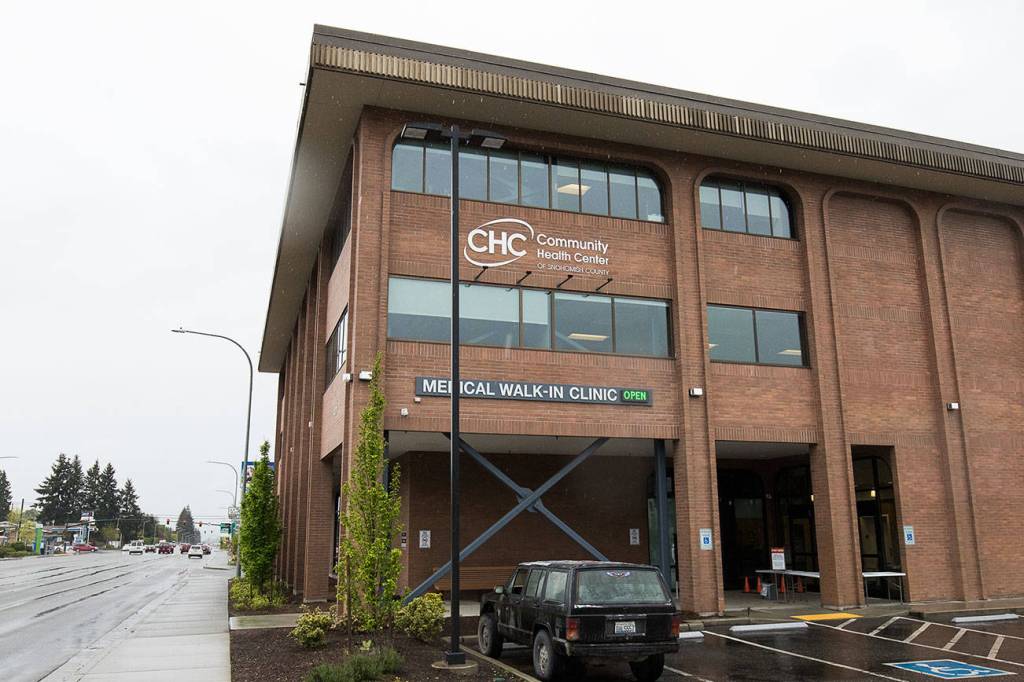
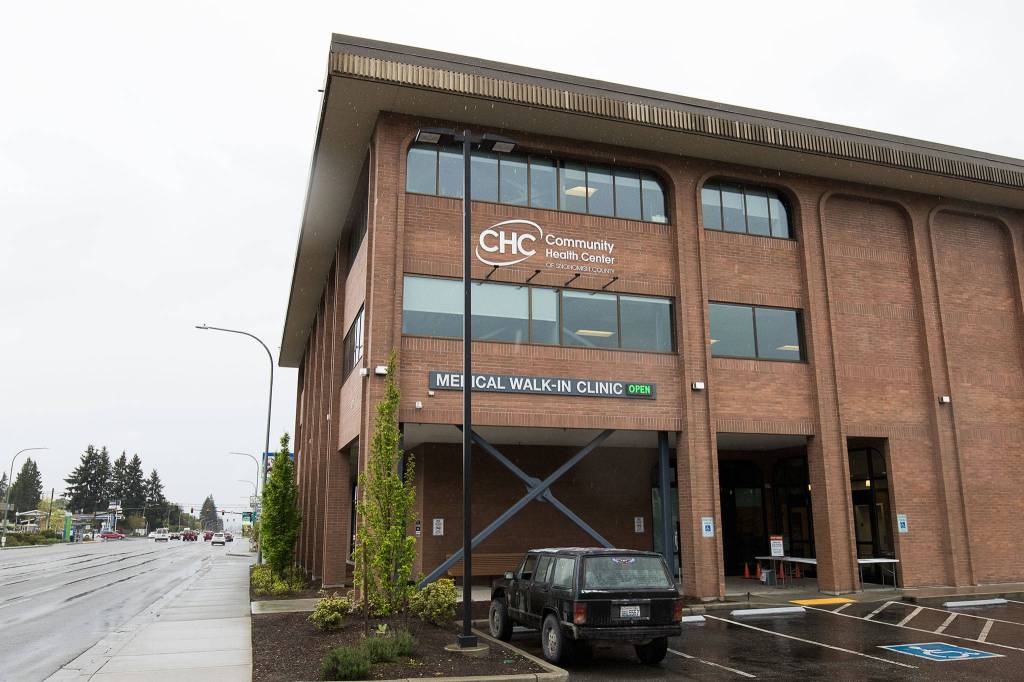
CHC of Snohomish County and Sea Mar Community Health Centers, which operate clinics throughout the county, have faced blistering revenue losses. But both organizations — larger, in comparison to many of the state’s other community health center operators — suspect they will persist through the pandemic.
“A lot of the health centers have laid off up to a third of their workforce or more,” said Mary Bartolo, executive vice president of Sea Mar Community Health Centers. “We have not had to do that.”
The organization is now losing $6 million to $7 million in monthly revenues, or about 30 percent of its usual earnings, Bartolo said.
For CHC of Snohomish County, revenues are down by 35 percent or so, estimates the organization’s CEO Joe Vessey.
The organization suspended most of its dental operations in mid-March, when Gov. Jay Inslee halted elective surgeries and dental services, Vessey said. Those dental practices typically account for about a third of its revenues.
Meanwhile, the medical services performed at the nonprofit’s clinics have declined by about 40 percent, Vessey said.
CHC of Snohomish County has attempted to make up for the lost revenue by offering telehealth options to patients, and about 160 staff members have been furloughed to cut costs.
Still, the losses are nearing roughly $2 million a month, Vessey said.
“I believe that CHC of Snohomish County will weather the storm. I am worried about other community health centers or other providers within the health care system that are not able to weather the storm,” he said. “It will just put pressure on the entire system and potentially make us more vulnerable as we face future outbreaks of COVID-19.”
Rachel Riley: 425-339-3465; rriley@heraldnet.com. Twitter: @rachel_m_riley.