Editorial: School absenteeism crisis needs an all-hands effort
Published 1:30 am Thursday, January 25, 2024


By The Herald Editorial Board
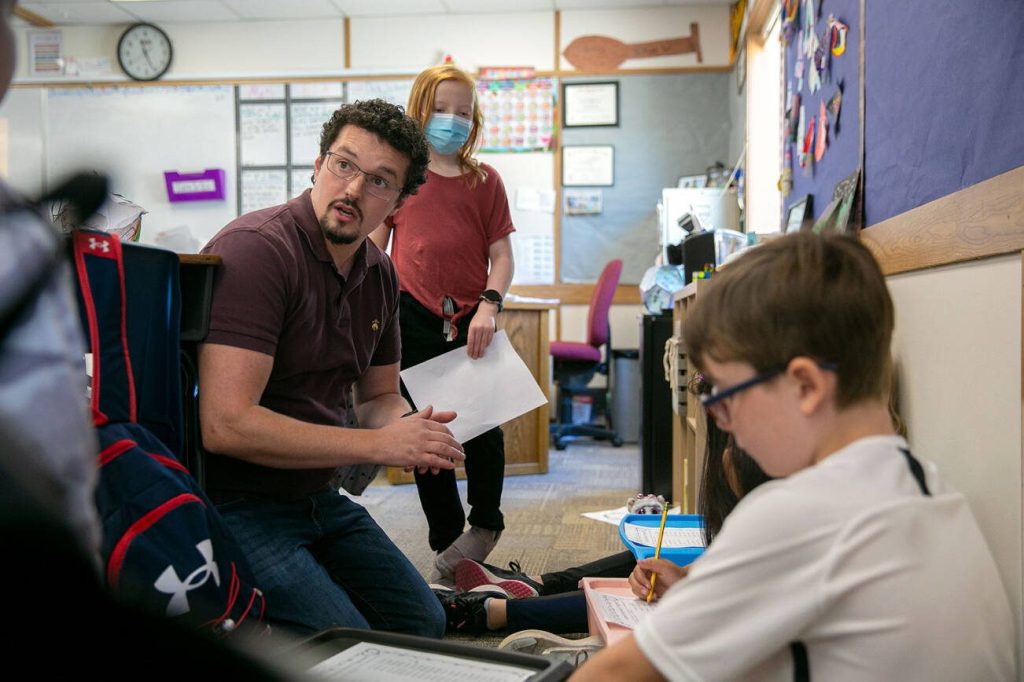
Some of the side-effects of the covid-19 pandemic have taken longer to shake than others, among them lower attendance and higher absenteeism at public schools, a problem noted across the country.
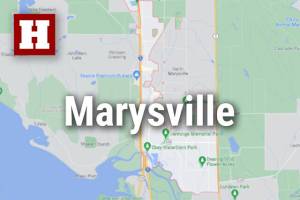
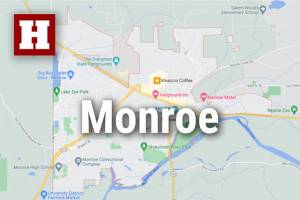
Snohomish County schools saw the same drop, as reported last week by The Herald’s Jenelle Baumbach. Comparing pre-covid attendance during the 2018-19 school year to that of 2022-23 — the first full year of in-school attendance after the pandemic — Everett schools saw students with fewer than two absences per month drop from 86.5 percent to 70.3 percent; in Monroe, that mark dropped from 89.4 percent to 69 percent; and in Marysville, from 78.1 percent to 59.5 percent, meaning more than 40 percent of students missed more than two days a month.
Those numbers are similar to national figures, where more than a quarter of students were chronically absent, meaning they had missed at least 10 percent of the 2021-22 school year; prior to the pandemic the national average was closer to 15 percent.
More recent figures show improvement, with data released by the National Center for Education Statistics from a November survey reporting that 90 percent of students were showing up for classes on a typical day, close to school years prior to the pandemic.
But even with that improvement, a return to pre-pandemic attendance levels still falls short of what we should want for all students: regular attendance that leads to learning, achievement and success in post-secondary education and careers.
Missing more than a handful of days during a school year can mean missed learning opportunities, lower test scores and achievement, valuable social interaction and even regular meals for some students. In time, it can result in higher rates of drop-outs, failure to graduate and a cycle of poverty because of limited job opportunities.
“Washington has had this challenge for a while. Even as far back as 2017, we were near the top of the country in terms of chronic absenteeism,” said state Sen. John Braun, R-Chehalis, at a K-12 education committee hearing earlier this month.
The challenge calls for an all-hands effort.
Braun, the Senate’s minority leader, was speaking on behalf of bipartisan legislation he has proposed with Sen. Lisa Wellman, D-Mercer Island, that looks to provide more support for students who are chronically absent and at risk for not graduating high school.
Senate Bill 5850 seeks to create partnerships that can identify and reach out to individual students with attendance issues, find out what’s keeping them from class and provide the support and encouragement to reengage. Specifically, it would establish grant programs and funding through the state Office of Superintendent of Public Instruction and its regional educational service districts and local school districts to partner with community organizations, tribes and others.
Krissy Johnson, assistant director of attendance and re-engagement for OSPI, which supports the legislation, testified at the hearing that the intent is to build trust with students who have disengaged from school by relieving barriers to education, providing wrap-around supports including transportation, meals, course fees, counseling and other basic needs.
The Everett School District and the United Way of Snohomish County partnered on a similar pilot program during the pandemic that focused on the needs of the county’s more than 1,000 students without permanent stable housing, for which the Everett district is chiefly responsible.
“When a student stops attending school, it closes the door to a multitude of living-wage careers and further complicates their pathway out of poverty,” Monica Wilson told The Herald for a May 2021 editorial. Wilson is director of human services for Housing Hope, the nonprofit agency that provides housing for homeless and low-income families throughout the county,
The needs are broad and complex, Braun noted.
“Many students who chronically skip school or become ‘hall walkers’ are dealing with family issues, substance-abuse disorder, or mental-health issues,” Braun said in a news release when the bill was filed in December. “Others just don’t care to show up or they wander around as if school attendance policies mean nothing. This can’t continue.”
The legislation, Braun said, isn’t aimed only at issues of truancy; absenteeism is a problem whether absences are excused or unexcused.
“Regardless, it still adds and contributes to students not keeping up with the learning objectives in the classroom,” he said during the hearing.
The legislation makes a relatively modest funding request, a total of $487,000 through the 2026-27 school year, perhaps taking a “stone soup” approach that uses the grant funding to encourage greater additional efforts undertaken by community organizations.
But given a few years to show the efficacy of such an outreach to struggling students, state lawmakers should be encouraged to seek out more and permanent funding that builds on those partnerships. State lawmakers should need no reminder that — as the state constitution provides — “the paramount duty” of the state is “to make ample provision for the education of all children.”
That duty to students most in need of encouragement and support won’t be satisfied with a return to pre-pandemic attendance numbers.