Godfrey: Indiana shows that college football isn’t broken.
Published 9:30 am Tuesday, January 20, 2026
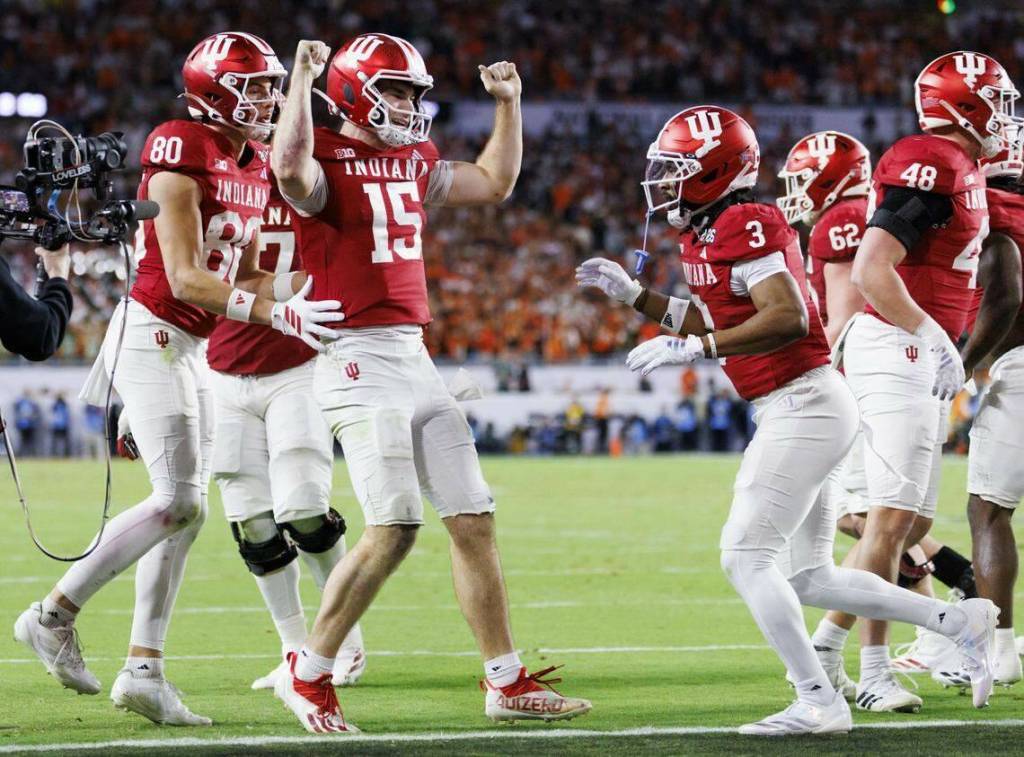
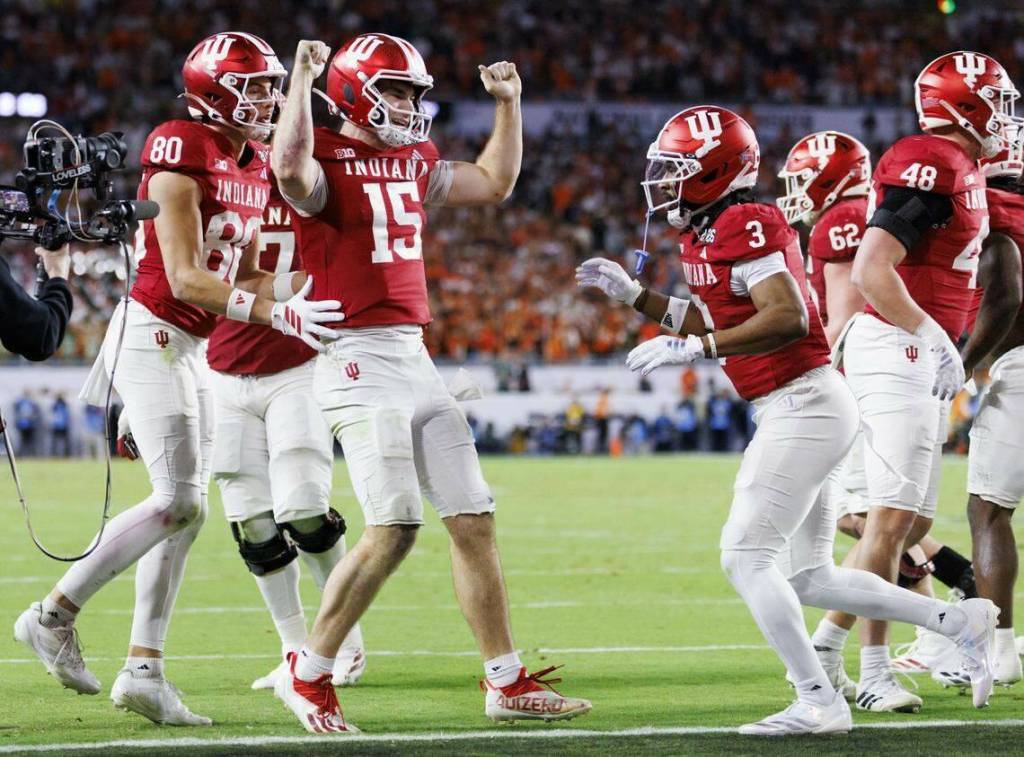


MIAMI GARDENS, Fla. — Mikail Kamara was a zero-star prospect out of Stone Bridge High in Ashburn, Virginia. After signing with Curt Cignetti’s James Madison program in 2020, the defensive lineman followed the coach to Indiana in 2024.
Along the way to Bloomington, Kamara’s development at JMU earned him three stars as a transfer portal prospect, according to recruiting services. On Monday night, he blocked a punt that led to a touchdown in the national championship game. The play not only blunted Miami’s momentum and pushed Indiana to a 27-21 win and its first national title, but it also helped upend decades of conventional wisdom in college football: Recruiting stars make championship rosters, and only the sport’s elite are capable of constructing them.
“I didn’t think it was possible, I can’t lie,” Kamara said after the game. “But to be here today, it’s surreal.”
Zero-star defensive line prospects who initially sign to a local Sun Belt Conference program don’t end up making a defining play in a national championship game. And in no universe does this happen at Indiana University.
Indiana’s undefeated, unthinkable national championship season is a story of transfer portal finds, NIL deals, one-year wonders and every other anxiety-inducing trend for college football purists. Compared with the Heisman Trophy-winning prowess of quarterback Fernando Mendoza, who quite literally bull-rushed Indiana to victory in the fourth quarter, Kamara was one of the lesser cogs in the inevitable Indiana experience.
The Hoosiers’ defensive line was far less explosive than Miami’s on Monday night, but it was effective enough to swallow up Miami’s ground game. (Outside of Mark Fletcher Jr.’s 57-yard touchdown run in the third quarter, the Hurricanes averaged 2.65 yards per carry.) It was an effort built by no-star projects, some of whom Cignetti and his staff refined over the course of four seasons at two different programs.
The lightning-fast ascension of Indiana football from legendary doormat to undefeated national champion could not occur without the brave new world of college football — NIL payments to players that mobilized a previously invisible fan base and donor culture, and the ability for Cignetti to scale his roster at warp speed via the transfer portal, using a combination of overlooked development projects and former James Madison players, most of whom were considered afterthoughts when signing with the Dukes in the first place.
This is how a miracle happens, and “Indiana, National Champion” is nothing short of exactly that. And while the composition of the Hoosiers’ roster stands apart from the Alabamas and Notre Dames of college football history, Indiana’s victory is in no way a lesser achievement.
About 65 percent of the Hoosiers’ snaps this season were taken by transfers, according to an analysis by the Athletic. They’re also the first champion in modern history to defy conventional logic that only teams boasting a high number of four- and five-star high school players can feasibly contend for a national title.
There will be a rush this offseason to justify or rationalize what happened Monday night, certainly among the sport’s conservative traditionalists and incredulous (or just bitter) rival fan bases.
It was a miracle, but it was an earned one, without question. If you’re too discombobulated by the rapid changes in the sport, consider Cignetti a Nick Saban for the new age. On the field, this Indiana team looked as ruthless on the margins as Saban’s vintage Alabama winners. Squint, and Monday night’s champion looked like the Crimson Tide, the same program Indiana put in a humorless chokehold in the Rose Bowl.
Besides, college football is always in an asterisk era. On a long enough timeline, these years in which one-and-done transfer quarterbacks commanded more compensation than most NFL draft picks won’t read as any less bizarre than the decades of free labor amateurism that produced unstoppable dynasties (often, at least of late, in the Southern states).
In the coming months, every aspect of Indiana’s inexplicable 2025 will be reverse-engineered and speculated about by opponents and pundits alike. Maybe Indiana simply landed the next Saban, or maybe it’s a combination of exceptional coaching and a talent evaluation (and retention) program that will come to define the next era of the sport.
Either way, Indiana utilized every facet of college football’s new era to build in a way we’ve never seen before. Maybe in the coming years we’ll identify the start of a trend in hindsight. Until then, though, the Hoosiers are a miracle, one that made college football worth watching, and that alone means the sport is doing exactly what it’s supposed to.