Local leaders back interest-free school bonds bill
Published 9:00 pm Tuesday, October 3, 2000
By ERIC STEVICK
Herald Writer
Local labor leaders on Tuesday threw their support behind a bill before Congress that would provide $25 billion in interest-free school construction bonds for school districts.
"We know that conditions matter," said Douglas Elmendorf, deputy assistant secretary for economic policy with the U.S. Department of Treasury. "Common sense suggests it, but studies confirm it."
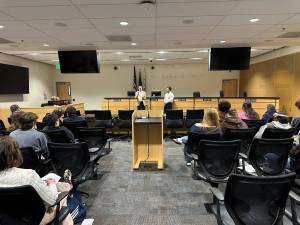
Elmendorf attended a press conference at Mariner High School aimed at focusing attention on the physical condition of the nation’s school buildings.
Studies cited Tuesday included:
"We have a crisis here and it’s time we do something about it," said Jeff Soth, assistant to the executive secretary of the Washington Building and Construction Trades Council.
Traditionally, school construction has been paid for by school districts and state taxpayers. Supporters of House Bill 4094, which has broad bipartisan backing, said it is time the federal government invest some of the nation’s surplus into improving existing school buildings and providing relief from overcrowding.
The bill would create $24.8 billion in interest-free construction bonds for school districts. By providing bondholders with a tax credit in lieu of interest, the bonds would allow schools to save as much as half the cost incurred under traditional financing plans.