‘Water is life,’ but many in developing nations struggle for it
Published 1:30 am Saturday, October 6, 2018


TULALIP — They make the trek each day to gather the household water supply.
Women and their children often walk more than 3 miles through scorching heat. Then they have to carry the 40-pound jugs of contaminated water back home.
“Water that you or I wouldn’t give to our dogs,” Tyler Riewer said.
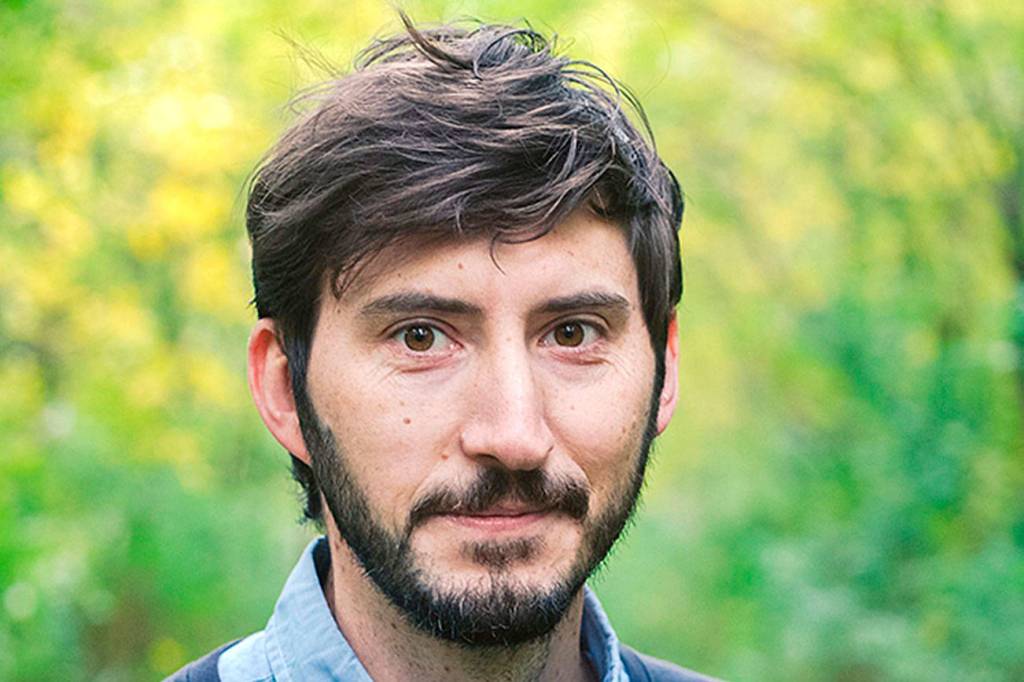
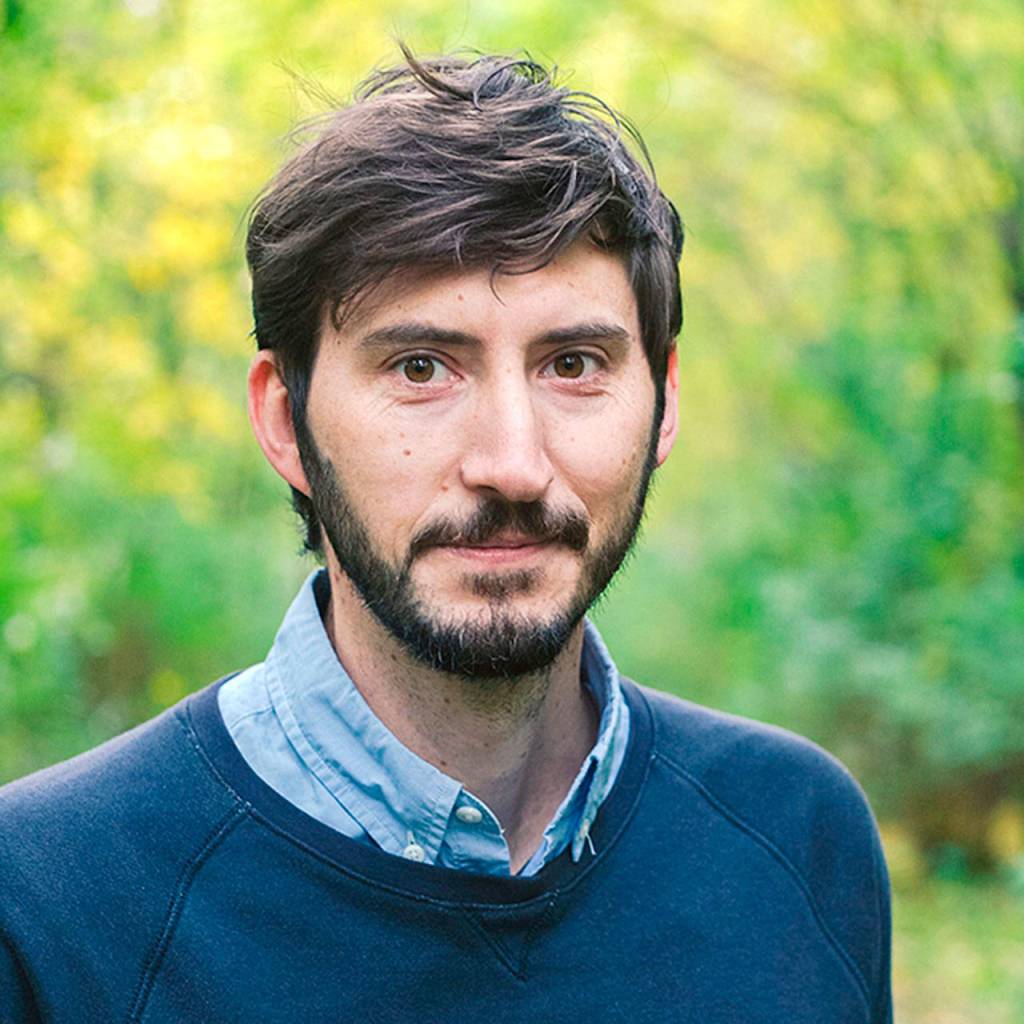
Riewer is the brand content lead for charity: water, a nonprofit with a mission to bring clean water to everyone in the world. He travels to developing countries where the organization has done work and shares the stories of people who live there.
Riewer is the keynote speaker at the At the Edge of Amazing event on Thursday at the Tulalip Resort Casino. The Snohomish County Health Summit conference is sponsored by the Providence Institute for a Healthier Community and the Snohomish County Health Leadership Coalition.
The annual effort to improve health in Snohomish County has been around for four years now. Organizers added a second day to the event this year. About 300 people are expected to attend.
This year’s theme is “A Stage for Change.” Each person should feel inspired afterward to help others in a new way, said Michelle Morford, director of operations at the Everett hospital’s institute.
“It’s OK to think outside the box, and sometimes that’s the only way we’re going to make lasting impacts,” she said.
Riewer was chosen to speak because of the way charity: water has brought global issues to the local level, Morford said.
Every cent donated goes toward providing clean water, Riewer said. The group’s website shows where that money is going, and tracks how much water has been given. The foundation works with trusted partners to make sure everything runs as promised.
Riewer, 36, plans to talk about how the nonprofit is different from others. He also hopes to share some setbacks they’ve had along the way.
“Finding new ways to do things means you can’t be afraid to fail,” he said.
The organization, with its headquarters in New York City, was founded in 2006.
About 663 million people live without clean water worldwide. So far the foundation has provided millions of people in 26 countries with clean water, mostly in Africa and South Asia.
Riewer has visited around 10 of those places during the five years he’s worked for the group.
He recalled one visit to Niger in West Africa.
“It’s truly one of the most brutal environments I’ve been in,” he said. “It was 115 degrees. There was no escape from the sun.”
Women and children are usually responsible for retrieving water each day. They gather it from decades-old holes in the ground.
They throw a rope into the well, scoop some water into a bag that’s attached to the rope, and pull it back up to the surface.
There’s often a log that sits on the edge of the pit. Years of the repeating motion of rope against wood saws grooves into the log.
“You can image what it’s doing to their hands,” Riewer said.
During that trip, he spoke with a woman who had nearly died once while collecting water.
That day she carried her baby on her back. As she was leaning over the well, the child kicked. She was knocked off balance, and they both tumbled into the water.
Eventually, someone heard the mother’s screams. Her shoulder was broken, but both lives were saved.
“It doesn’t change the fact that she’ll have to be there every day, because water is life,” Riewer said.
Riewer has also watched as communities get clean water for the first time.
He was visiting once as a drilling rig made its way underground. Water sprayed into the air when it reached the source. Children ran through the mist as if it were a sprinkler.
For the past couple of years, part of Riewer’s job has been to travel around the U.S. to help spread the word.
“We’re passing the microphone so these people get to share their stories,” he said.
Stephanie Davey: 425-339-3192; sdavey@heraldnet.com; Twitter: @stephrdavey.
If you go
What: At the Edge of Amazing: Snohomish County Health Summit
Where: Tulalip Resort Casino, 10200 Quil Ceda Blvd., Tulalip
When: Oct. 10 and 11
Tickets: $175 both days, $99 Wednesday only, $150 Thursday only
More: www.edgeofamazing.org