This underwater photographer has made some friends beneath the sea
Published 1:30 am Sunday, May 12, 2019
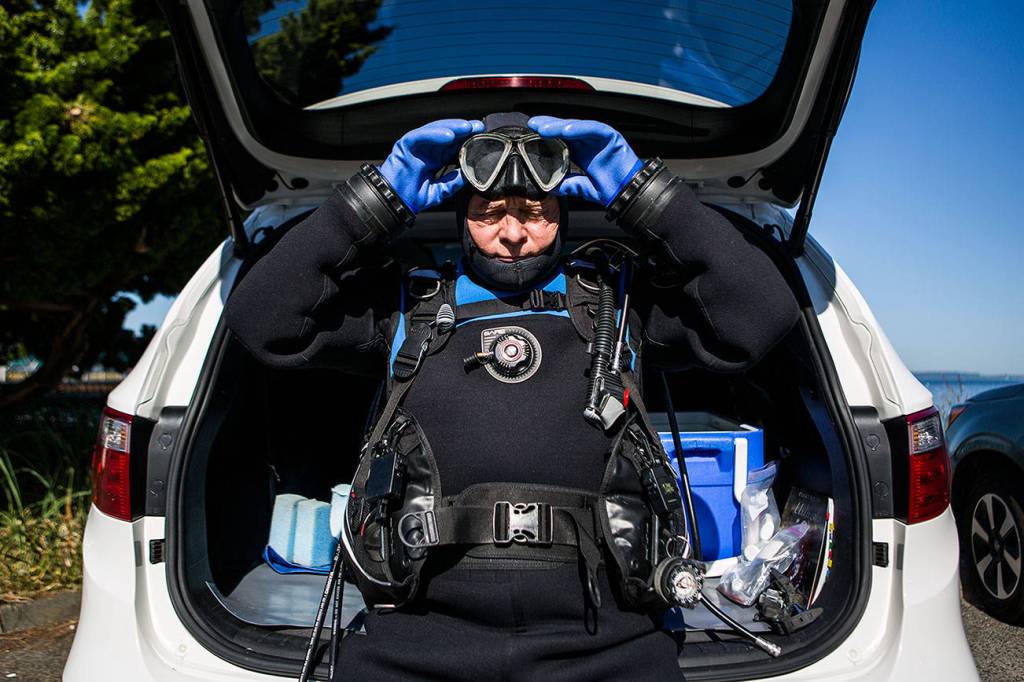
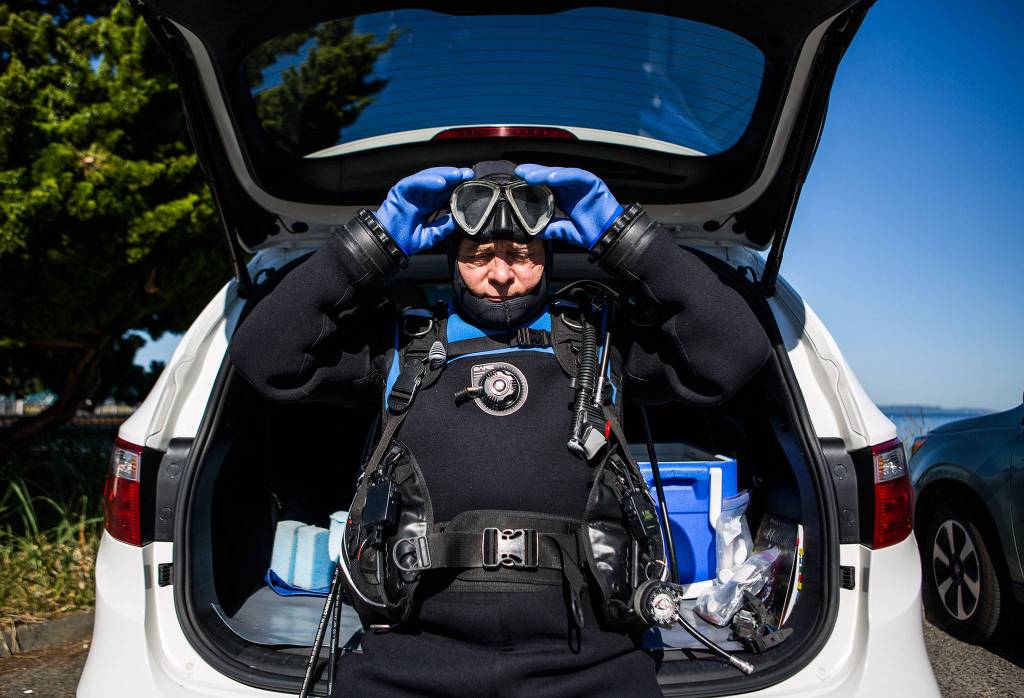
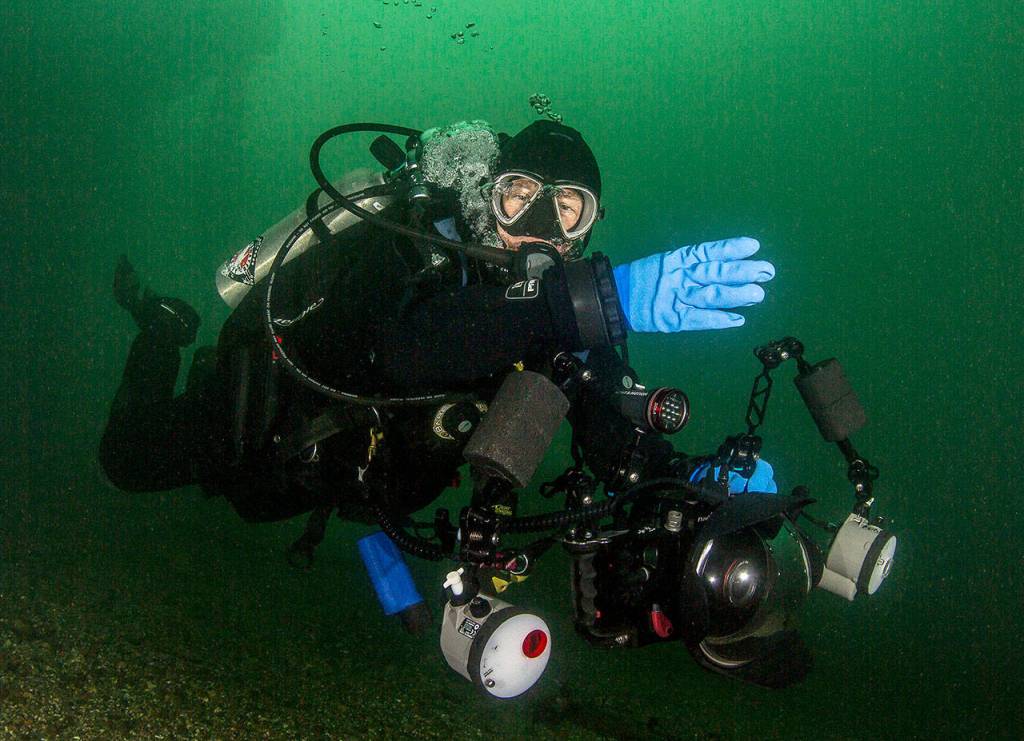


In the six years he’s been an underwater photographer, Drew Collins has dived with great white sharks, swam with schools of graybar snappers and come face-to-face with a green moray eel’s razor-sharp teeth in the warm Pacific Ocean waters off Mexico.
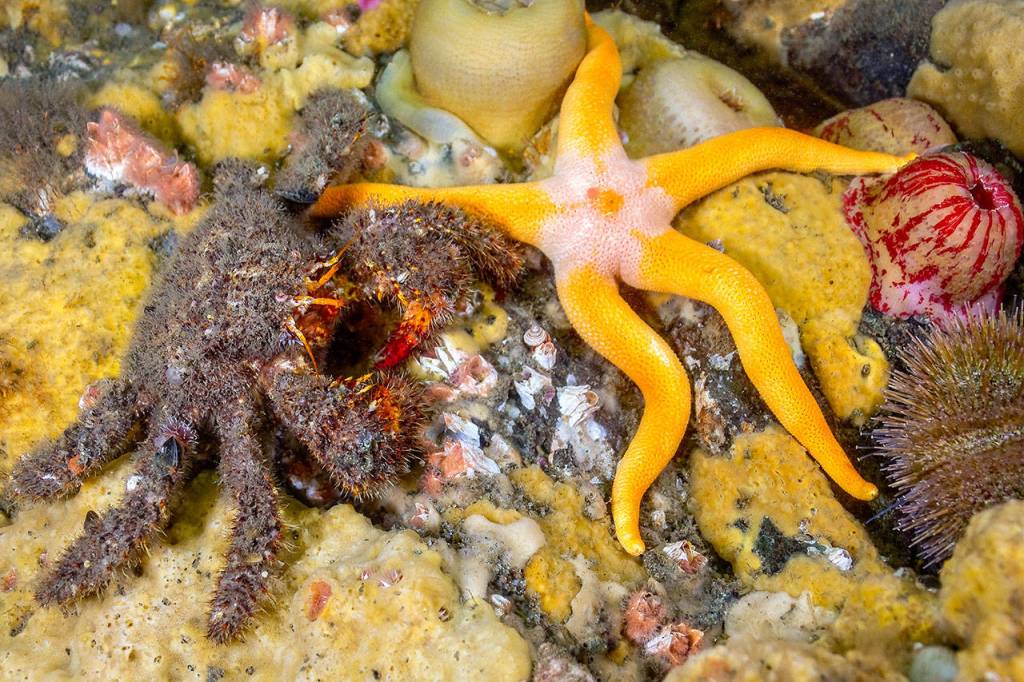
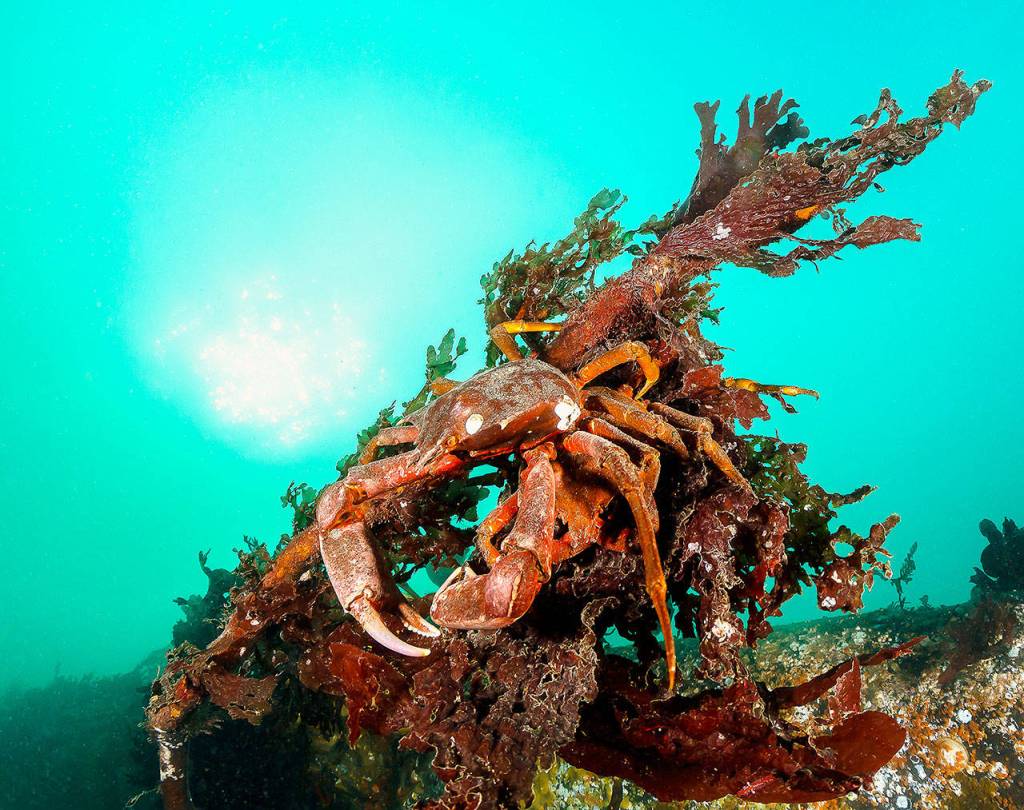
Yet he would trade all of it for just a few hours in Puget Sound, where the world’s largest octopus (Pacific octopus), clam (geoduck) and dolphin (orca) dwell.
“We have such diverse life living in Puget Sound,” Collins said. “So many people (live here) but they never really appreciate what’s below the surface.”
Collins, 61, an underwater photographer and videographer from Shoreline and author of “Puget Sound Underwater,” will share stories from his adventures at the next Marysville’s Outdoor Adventure Speaker Series event Tuesday at the Marysville Opera House.
He’ll also talk about Made In Puget Sound, his nonprofit organization that works to protect Puget Sound through conservation and education.
Collins is a retired hospitality industry specialist who learned how to dive at Edmonds Underwater Park in 2009. His first training class took place on a cold, rainy and windy day in April when he and seven others went underwater for about 22 minutes in old wet suits that were anything but warm.
“I’ll never forget that first dive,” he said. “We’re in these terrible conditions and can’t see more than 10 feet. I remember most of the people saying, ‘This is terrible.’ I said, ‘This is the coolest thing in the world. Let’s go again.’ I was hooked.”
His passion for diving quickly turned into an obsession as he spent almost every other day in the water, using either a small inflatable boat or just walking out into the sea.
He got his start in underwater photography with a basic point-and-shoot camera — he said the results weren’t very good — but later invested in professional-grade Canon cameras.
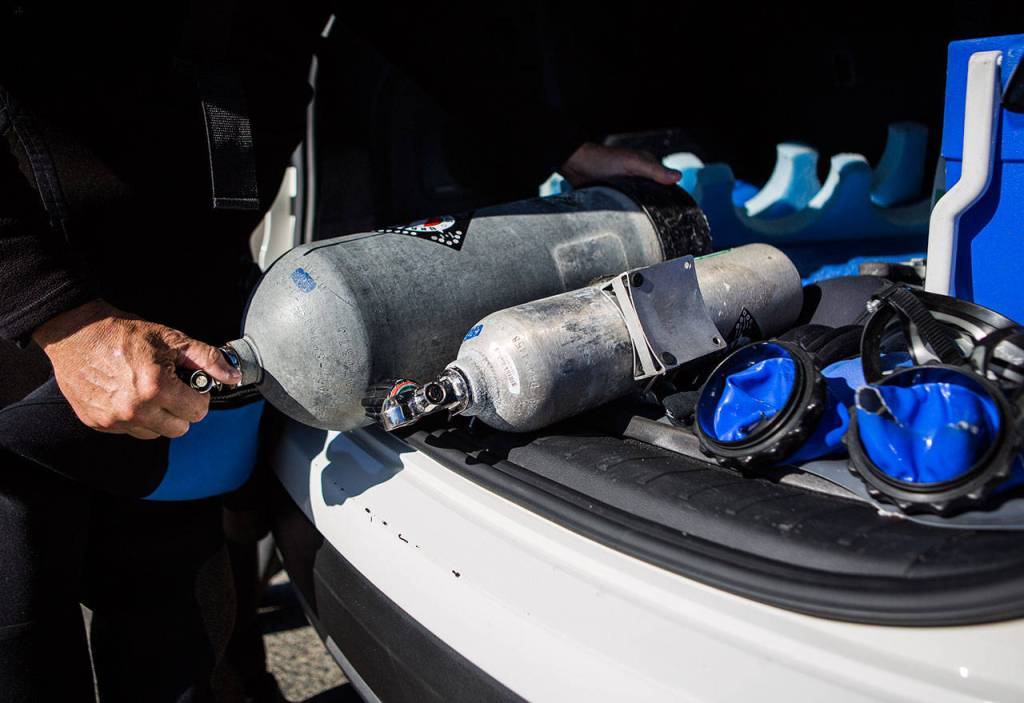
He realized early on that it was difficult work. His gear weighs about 170 pounds, local waters aren’t very cooperative and his subjects are constantly on the move.
“Puget Sound is cold, it’s green and it’s dark, sometimes murky,” he said. “The water is almost moving, even in slack tides, and the animals are moving. Even when I’m getting a stationary shot of an animal, a piece of kelp will float through or fish will swim by. I’ve been shooting something and a 300-pound harbor seal will come by and swallow it up.”
After years of practice, along with tips and tricks he’s picked up from professionals, Collins now sells his underwater photography. In addition to marine life in Puget Sound, while on vacation he’s taken pictures in the waters off the Socorro, Cozumel, Solomon and Maldives islands.
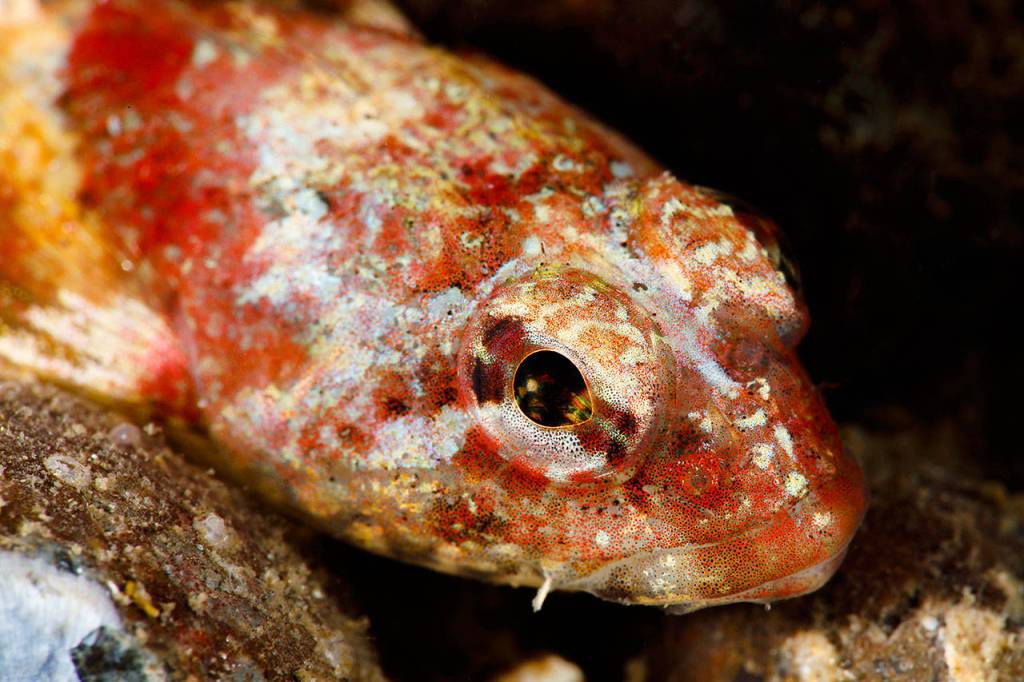
His work, which rely on focus, strobe and video lighting, are often a close-up focusing on the creature’s eyes.
“That’s so your viewer can make a connection,” Collins said. “But when you’re talking about an animal the size of a marble and focusing on its pupil while 65 feet underwater, it’s incredibly challenging.”
He’s also produced videos about lion’s mane jellyfish, stubby squids and harbor seals.
The number of species he’s photographed is far too long to list, but one of his favorites is Puget Sound’s Pacific octopus. The creature can grow up to 22 feet long.
“They have three hearts, blue blood and incredible intelligence,” he said. “Many are playful.”
Collins spent five years researching and interacting with the cephalopods while a volunteer at the Seattle Aquarium. He remembers being fascinated by their ability to unscrew screws from drain covers and pipes with their tentacles. He also bonded with one octopus who he swore could recognize him whenever he introduced the creature to the aquarium’s visitors.
His comfort with marine life has allowed to make some friends beneath the sea over the years.
He once had a 12-foot octopus give him a hug. He’s also pet wolf eels, who he says are like puppies, out of gratitude for letting him enter their space. He typically strays away from physically interaction with marine life, but these creatures are an exception, he said.
“They grow 10 feet long and live 45 years,” he said of the eels. “They’re very curious. They love to come out and interact with divers and photographers.”
His connection to marine life inspired him to create his nonprofit organization, Made in Puget Sound, which uses his work underwater to highlight and educate people about Puget Sound and the issues its faces, such as toxins, pollutants and ocean acidification.
“A thousand people move to the Puget Sound area every week, and it’s adding more stress to wildlife and ecosystems,” he said. “We all need to work to keep it clean and healthy, so this wildlife on land and water will be around for our kids and grandkids.”
Evan Thompson: 425-339-3427, ethompson@heraldnet.com. Twitter: @ByEvanThompson.
If you go
Marysville’s Outdoor Adventure Speaker Series continues 6:30 p.m. May 14 with Drew Collins’ presentation on “Puget Sound Underwater” at the Marysville Opera House, 1225 Third St., Marysville. Entry is $5 at the door. Call 360-363-8400.
The Marysville Outdoor Adventure Speaker Series is held the second Tuesday of the month, January through May and September through November. Presentations cover hiking, climbing, snowshoeing, biking, photography, boating, birding and more. More at www.marysvillewa.gov.
Learn more about Collins’ work at www.madeinpugetsound.org.