Community college classes are going to cost a little more
Published 1:30 am Friday, June 21, 2019
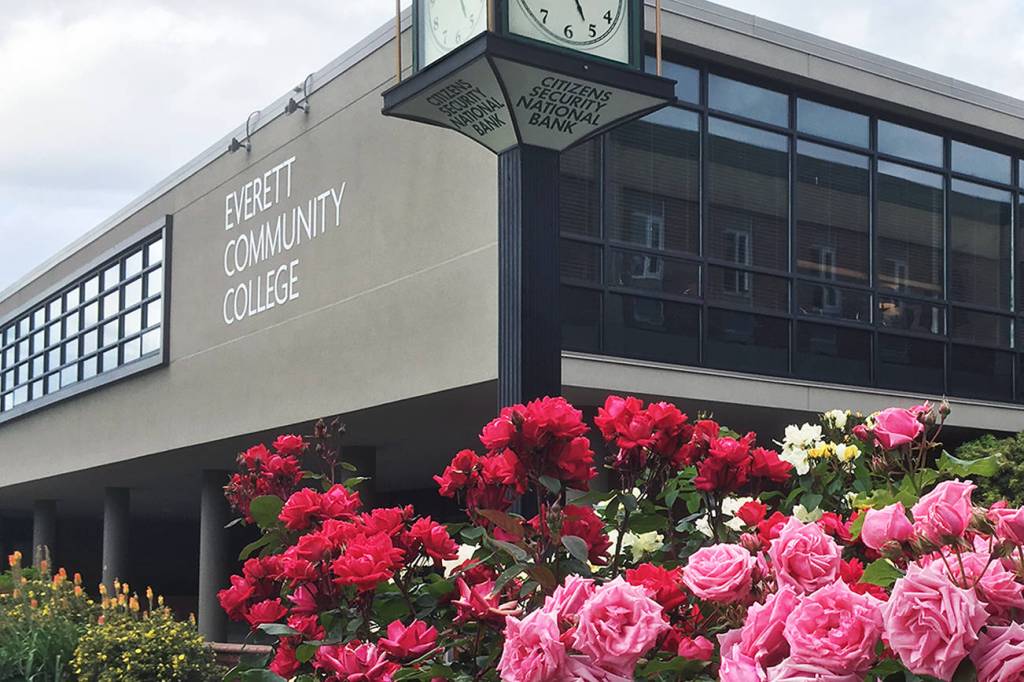
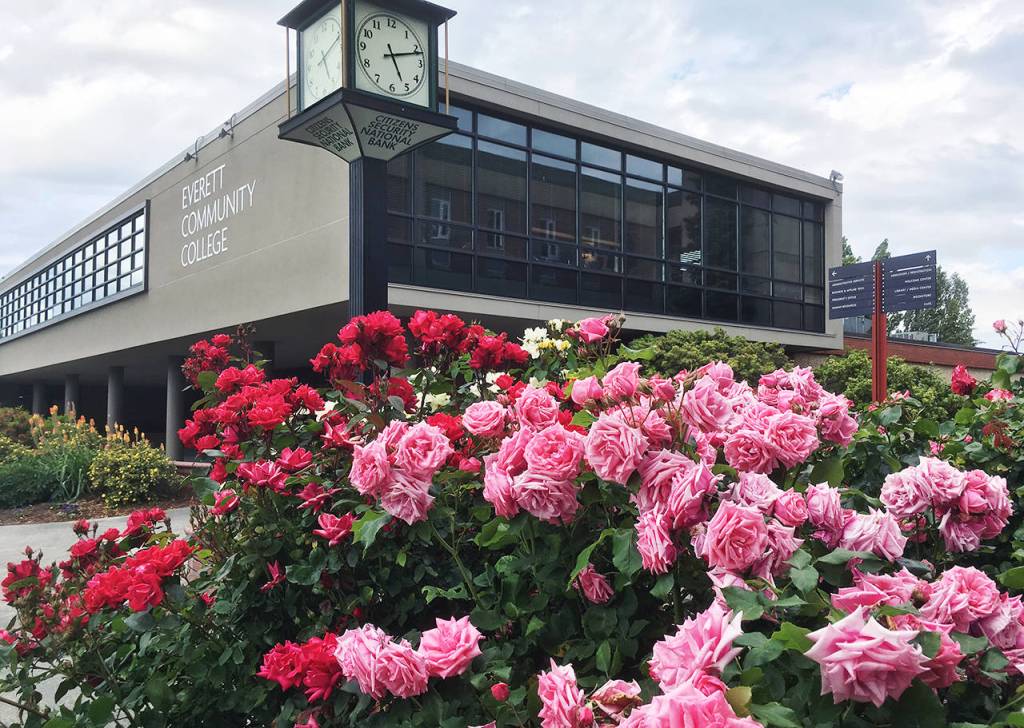


EVERETT — Students will pay a little more this fall for classes at community colleges in Everett and Edmonds.
Tuition is set to rise 2.4 percent, which will cost full-time students at those campuses another $100 or so for the 2019-20 school year.
The increase was set by the state Board for Community and Technical Colleges. It is tied to inflation and changes in the median family wage and will apply throughout the system of 34 public higher education institutions..
In recent days, trustees of Everett and Edmonds community colleges approved new budgets containing the hike and using the money to sustain existing offerings.
For Edmonds Community College, it will provide a wedge of financial stability after an extended period of belt-tightening. A year ago, college leaders had to contend with a $1.3 million shortfall, ultimately erasing it with nearly $1 million in spending cuts and restructuring within departments.
On June 13, trustees approved a budget laying out $58.5 million in spending through June 30, 2020.
“We’re in a really good place at a very challenging time,” said Kevin McKay, the college’s vice president of finance and operations. “While we’re balanced this year, it is very tightly balanced. We’ll be looking for opportunities for more efficiencies.”
At Edmonds, tuition for students who are Washington residents will climb from the current $107.59 per credit to $110.26. Those rates apply to the first 10 credits. It will be $54.58 for each additional credit up to 18 next year. The cost for 15 units — a full-time equivalent student — will climb from $1,342.20 to $1,375.50 this fall which adds $100 in tuition in the course of three quarters.
Nonresident students carrying a 15-credit load will see their quarterly fees rise from $3,152.50 to $3,190.45, and will pay nearly $114 more next school year.
At Everett Community College, trustees Tuesday approved a $70.7 million budget.
It counts on hiking the cost for each of the first 10 credits from the current $107.34 to $109.99. Each additional credit up to 18 will cost a little over $54 next year. Thus a full-time resident student will pay $1,372 a quarter, up from this year’s charge of $1,338.95. Full-time nonresident students will pay $3,186.95 a quarter, up from $3,149.25.
Denise Gregory Wyatt, vice president of administrative services, said it’s a “hold steady” budget as campus leaders continue “looking for ways to grow our enrollment and making sure everyone who wants to, has the ability to attend.”
Tuition for students at Washington’s community colleges has experienced large rate fluctuations in the past few years.
It went up 13 percent in the 2011 and 2012 academic years, according to the state board.
Then, in the next two school years, the Legislature acted to keep the rate from climbing. In 2015, lawmakers took steps to reduce tuition by 5 percent and keep it from going up in the 2016 academic year.
Starting with the 2017-18 school year, state policy has tied the size of any increase with the rise in the median family wage. That’s led to increases of roughly 2 percent last school year and again this school year.
Jerry Cornfield: 360-352-8623; jcornfield@herald net.com. Twitter: @dospueblos.