An app to help you know if your child has an ear infection
Published 1:30 am Saturday, August 3, 2019

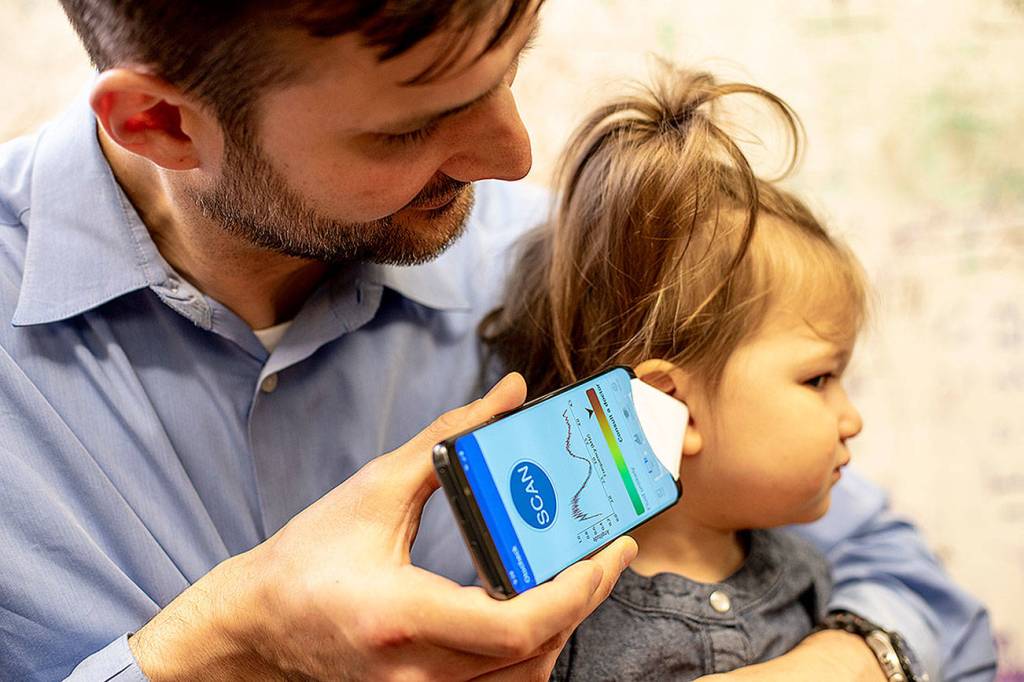
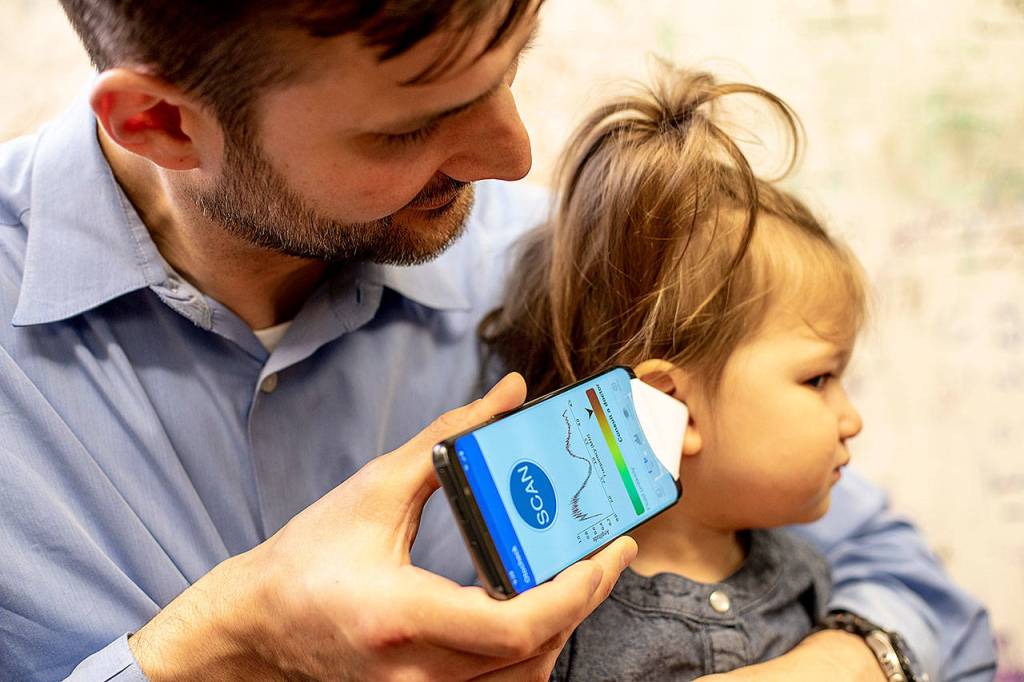


Kelly Estes is a veteran of the ear infection “wars.”
Her daughter, Ella, began suffering from the painful infections when she was just five months old.
“She had infections every six weeks,” her mom said. The problem was, she didn’t have some of the symptoms — such as fever — that typically signal ear infections.
“Every time I called the doctor I would say, ‘I think she has an ear infection.’” Estes was told if her daughter didn’t have a fever, she didn’t have an ear infection.
When asked about symptoms, Estes told them of her child’s moodiness and crankiness, that she was not sleeping well and that “she was just not being nice.”
And when taken to a clinic for a check up, her daughter was in fact diagnosed with multiple ear infections, Estes said.
A few years later, Kelly and her husband, Josh, who live in Marysville, began noticing the oh-too-familiar symptoms following the birth of their second daughter, Reese.
“A kid can be happy one day and the next day be a screaming mess,” Kelly Estes said.
Her reaction was immediate when told that a University of Washington doctor is developing a smartphone app that sends sound waves into the ear to help detect whether children have ear infections.
“That’s amazing,” she said. “It would have at least given me peace of mind to call the doctor and say I’ve used the app and yes, there’s a potential rather than saying she’s just moody.”
The app can be used on both Android and iPhone smartphones. Dr. Randall Bly, who worked with a three-member team of UW computer scientists to develop the app, said he hopes it can be available to the public in about a year, following review by the federal Food and Drug Administration.
It’s too early to know exactly how much it will cost, but “we’re not going to be happy unless it’s accessible and affordable,” he said.
Bly, a UW assistant professor specializing in head and neck surgery, practices at Seattle Children’s Hospital. It was stories like those experienced by Estes that inspired the project.
“It’s very much motivated by patients and families who have really struggled,” he said.
The small eustachian tubes in young children’s ears, which are relatively horizontal, makes them more susceptible to infections.
The app has been tested on a variety of smartphone models. For the app to work, the phone’s microphone and speaker has to be located on the bottom of the phone.
A small paper cone, which could be made at home, is attached to the phone to direct a sound wave into the ear canal. The app measures the sound waves that bounce off the eardrum. The shape of the acoustic “fingerprint” that’s created indicates if there’s middle ear fluid.
Although the results need to be matched with a child’s medical history, if the test shows there’s not fluid, “it’s very unlikely it’s an ear infection,” Bly said.
“I think of a child’s symptoms with an ear infection such as fever or pulling on the ear, it can be used in a way similar to the way a thermometer is used,” to provide information to health care providers, he said.
The app was tested on children who were about to undergo getting tubes temporarily implanted in their ears to reduce pressure and future infections.
The results were matched with what physicians saw during the surgical procedure — whether there was fluid behind the eardrum. Tests showed the app predicted ear infections with high accuracy — 85 percent of the time.
Concern that a child may have an ear infection is one of the most common reasons for kids’ visits to a doctor, he said.
Parental concern goes beyond their child being in pain from the buildup of ear fluid. Frequent ear infections caused by fluid that builds up in the ear canal can cause hearing loss, which can lead to speech and language delays, Bly said.
“I can see the frustration on parent’s face,” he said. “Those are all very valid concerns.”
Parents began sending Bly messages asking when the app would be available following the May publication of a study of the app’s effectiveness in a professional journal.
He said its need is underscored every day in the young patients he sees with ear infection symptoms.
Kids do tend to outgrow ear infection, but it’s often not until they’re 8 years old or more.
“It really is a challenge,” Bly said. “It’s very frustrating to see your child not feeling well.”
Sharon Salyer: 425-339-3486 or salyer@heraldnet.com