Looking back: Lake Stevens votes to become a city
Published 1:30 am Saturday, November 23, 2019
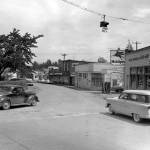
The tally wasn’t close.
On Nov. 19, 1960, voters went to the polls and overwhelmingly approved forming the brand new city of Lake Stevens.
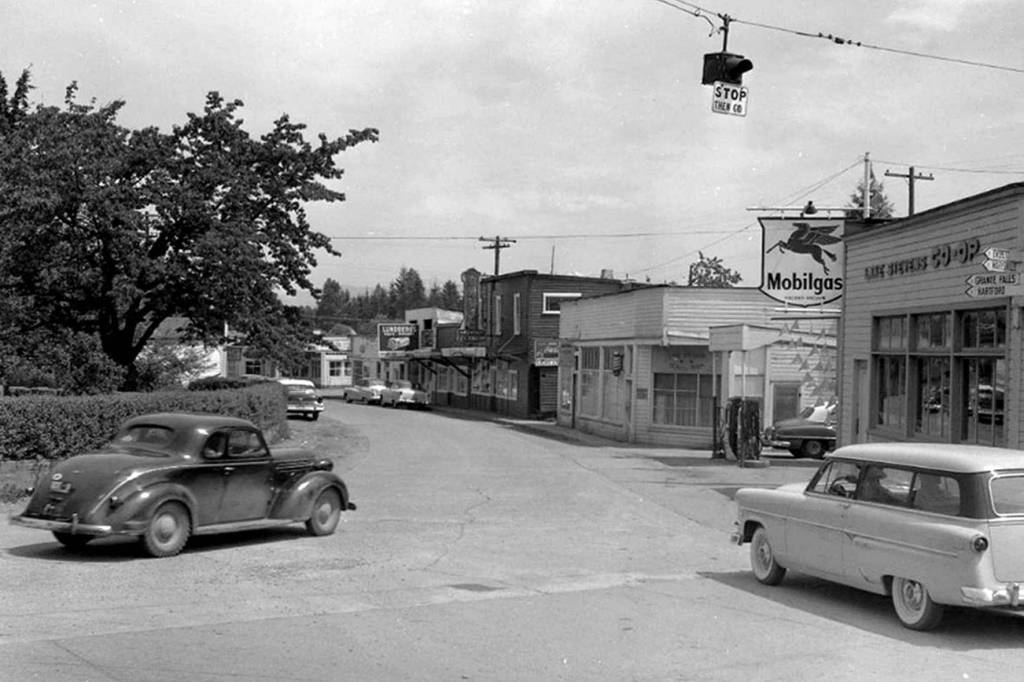
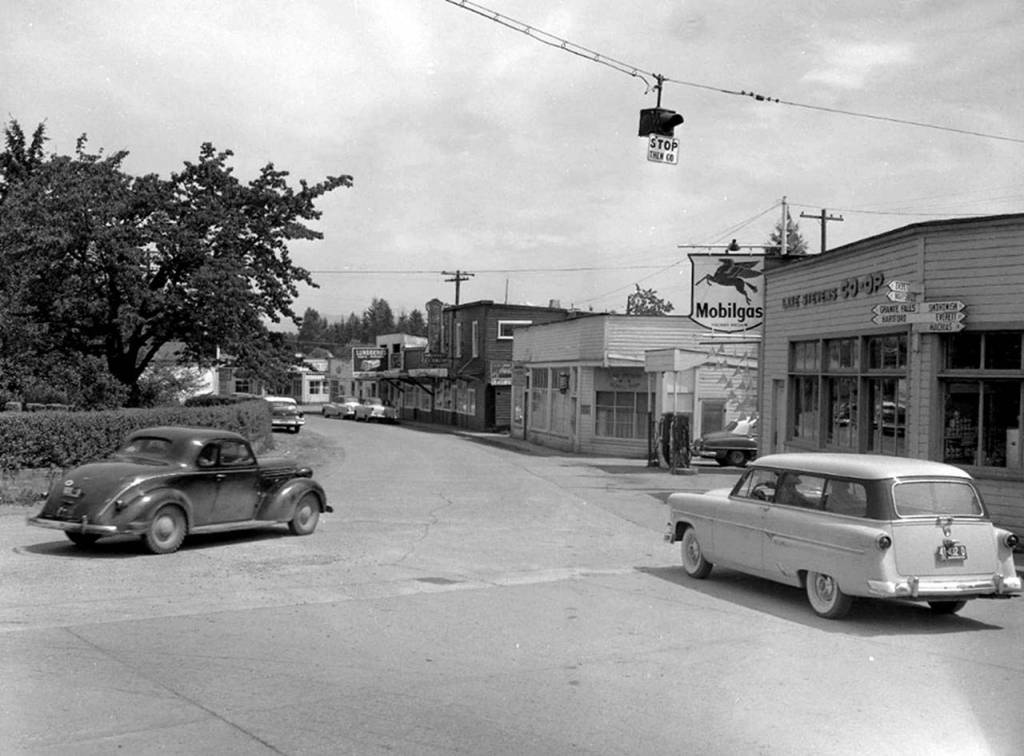
By then, a community had existed on the banks of the city’s namesake lake for more than a half century.
In 1907, the Rucker Brothers Timber Company built a large sawmill in a cove on the northeast end of the 1,000-acre glacial lake, the county’s biggest and deepest, and itself named after one of Washington’s territorial governors. In the coming years, mill workers, their families and others populated the village that grew around the mill and nearby water.
Following significant fires in 1919 and 1925, the “world’s largest sawmill” was dismantled.
Despite the loss of the company town’s leading industry, Lake Stevens continued to prosper in the decades that followed, with the newly motoring public flocking to fishing resorts and beaches sprinkled along its eight-mile shoreline.
By the 1950s, development was shifting to the west side of the lake.
By the end of the 1950s, a group of businessmen began to discuss incorporation. They were alarmed by the number of business owners who planned to relocate to a new shopping center, Frontier Village, then under construction at Highways 9 and 204 on the west end of the lake, and feared that the opening of the new Highway 92 to the north would divert traffic from downtown.
The campaign promised local police, street lights, a new library and no tax increase for the 900 residents living within the proposed boundaries. Opponents worried the area lacked the tax base needed to support a new city and would divide neighborhoods.
The measure passed 299-40.
In time, the city would annex most of the land surrounding the lake, including the area of Frontier Village, and grow to its current-day population of more than 32,000 residents.