Neighbors appeal permit for Stanwood residential treatment facility
Published 1:30 am Monday, April 3, 2023
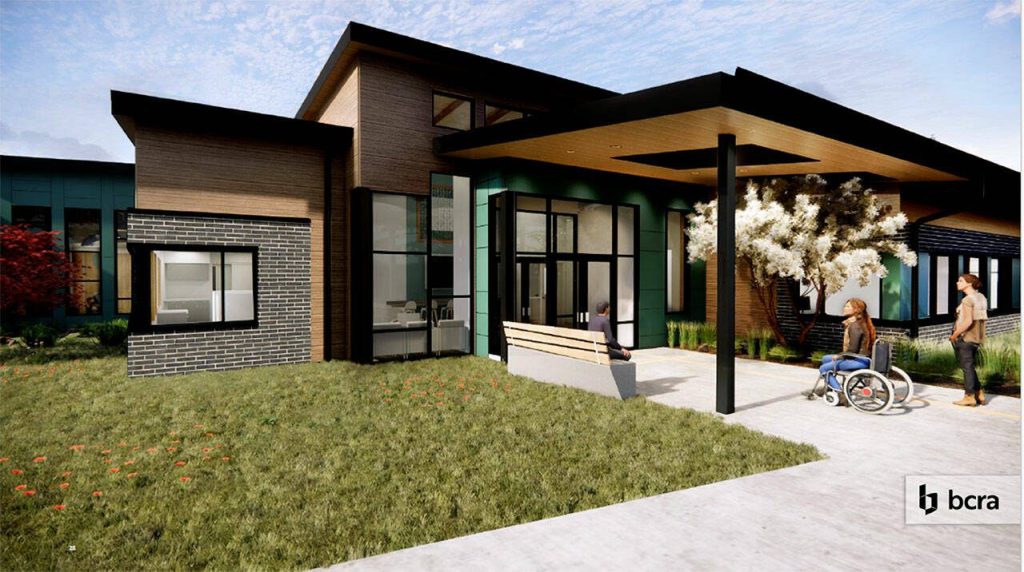


STANWOOD — The Snohomish County Council may get the last word on a proposed residential treatment facility near Stanwood.
An appeal filed late last month challenges a permit issued for its operation, contending county land use rules bar its development on protected farmland.
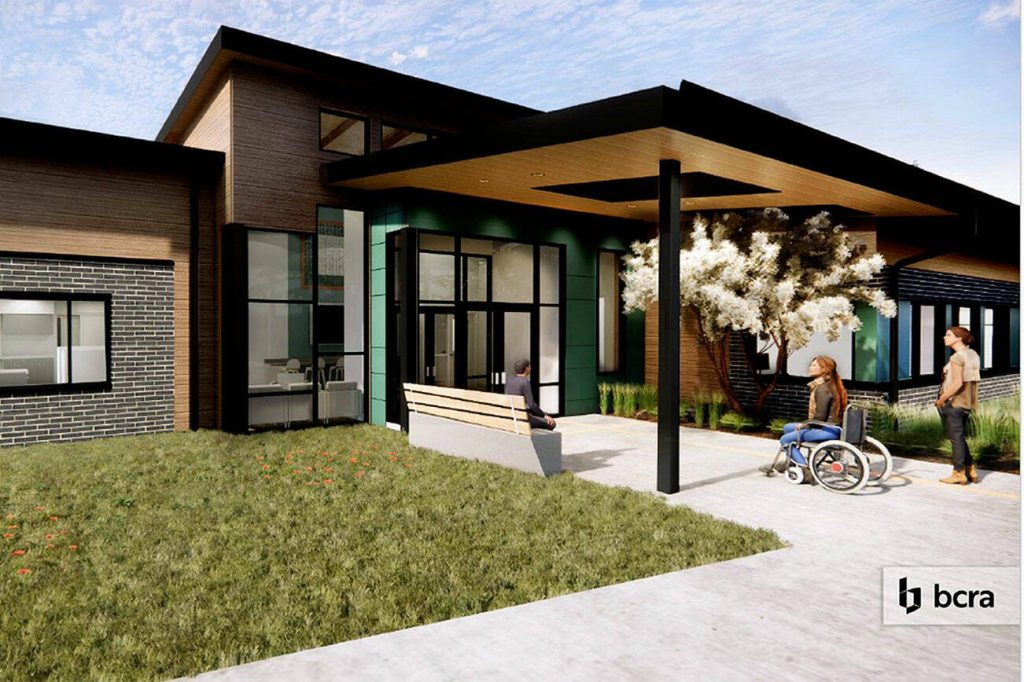
Eight Stanwood-area residents want the council to reverse the Snohomish County hearing examiner’s decision granting the Tulalip Tribes a conditional use permit for a two-wing, 32-bed secure behavioral health center where people would be involuntarily committed for up to six months. It is planned on an undeveloped parcel the tribes own on 300th Street NW.
They argue the property is zoned Local Commercial Farmland and county rules dating back to 2002 prohibit a non-agricultural development in this manner.
“While I believe the applicant has good intentions with their project, it’s simply illegal to put it in the middle of Stanwood’s Local Commercial Farmlands,” emailed Steve Snowden, an appellant who lives on neighboring property. “It’s simply a location that has been deemed agricultural lands and we must protect the little designated Local Commercial Farmland that we have left.”
An executive with the Wenaha Group, consulting with the tribes on the project, disagreed.
“We are confident that the Hearing Examiner rendered the correct decision under the applicable county regulations and other guidance in place,” Keith Banes, project executive for Wenaha Group, said in response to questions.
A hearing on the appeal is scheduled for May 10.
The project calls for two 16-bed buildings to be constructed at the southeast corner of 300th Street NW and 80th Avenue NW, north of Stanwood city limits. If the permit is approved, the first building could go up as soon as 2024.
The treatment facility is intended to serve adult patients who are involuntarily committed by court order for stays between 90 and 180 days and adults who commit themselves to inpatient treatment. While it is possible a patient could have been convicted of a crime in the past, the facility will not serve anyone currently in the criminal justice system, according to the conditional use permit.
The Tulalip Tribes agreed to build the treatment center as part of a 2020 sales tax sharing compact with the state. Once completed, the state Health Care Authority will hire a behavioral health operator to run the facility. Needed funding is included in budgets proposed by Gov. Jay Inslee as well as both the state House and Senate.
This project has divided the community as evidenced by comments in public hearings in January. Supporters argued new mental health beds are desperately needed. But neighbors, including those involved in the current appeal, objected to the proposed location in a rural neighborhood and raised safety concerns.
Snohomish County Hearing Examiner Peter Camp issued the conditional use permit March 7.
In it, he imposed conditions to prevent patients from walking away when released, to alert the community if one wanders off and to ensure the center will not look like an institution when constructed. Those conditions came in response to concerns raised by residents and elected leaders in a yearlong review process.
On March 21, Snowden and his wife Megan, along with Kathleen Richardson, Sue Keller, Christi Bell, Joyful Tower and Christopher and Patricia Larson, filed their appeal. Last year Richardson unsuccessfully challenged the environmental review conducted for the project.
It focuses primarily on allowable uses on property zoned as Local Commercial Farmland. They argue non-agricultural developments are barred on parcels of less than 10 acres. This project is on a 4.66-acre parcel.
Residents argue Camp “erroneously cited a novel CUP (conditional use permit) test that involves assessing the need for social services and then balancing the loss of agricultural land against that need.”
“We think the hearing examiner missed a code provision that bars use of this piece of ground for this,” said Tom Ehrlichman, attorney for the residents. “Regardless of how meritorious the project, the rules apply to the ground,” he said.
And they argued if the decision stands it will set a dangerous precedent, putting thousands of other acres in the county deemed Local Commercial Farmland at risk of development.
Banes said this site would not have been chosen had the rules prevented it.
“We would not have attempted to permit this facility on this parcel of land if it was not an allowable use and ‘permittable’ under the zoning regulations, and we do not believe Snohomish County would have recommended the issuance of the permit and disregarded its own zoning regulations and other guidance in place if the facility could not be permitted on this parcel of land,” he said.
Only four council members will decide the appeal. Council member Nate Nehring, who represents Stanwood, is recusing himself after publicly voicing concern on the location early in the process.
“While that application was pending before (planning and development services) I submitted a comment letter expressing concerns with the project. Consistent with the appearance of fairness doctrine, I am recusing myself from this matter,” he wrote in a March 27 letter to county staff involved in administering the appeal.
Council members Strom Peterson and Sam Low, who also are state representatives, will participate even though the appeal will be heard after they vote on a new state budget containing several million dollars for operating the center.
“Voting as representatives on the entirety of the state budget does not by itself create a conflict for those representatives when hearing a closed record appeal on a project that may be funded in part by that budget,” council Chief of Staff Heidi Beazizo said in an email. “When serving in a quasi-judicial capacity, Councilmembers are bound by the appearance of fairness doctrine and will make any appropriate disclosures prior to hearing the matter.”
Peterson and Low each said they will make such disclosures.
Jerry Cornfield: 360-352-8623;