Community Transit earns “Salmon-Safe” certification
Published 1:30 am Friday, March 6, 2026
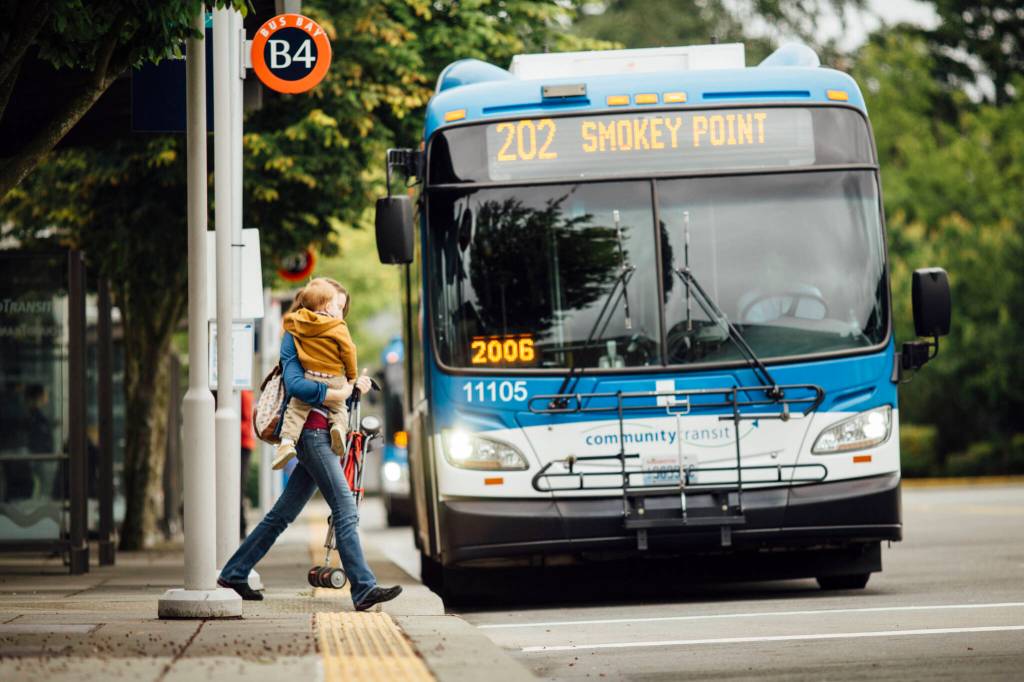
EVERETT — Community Transit has earned a designation from a nonprofit certifying it as “Salmon-Safe,” the transportation agency announced in a press release Friday.
The nonprofit environmental organization that designates the certifications, Salmon-Safe, mostly awards the designation to farmers, construction contractors, infrastructure projects or parks. Community Transit is the first public transportation agency to receive the accreditation, according to Salmon-Safe and Community Transit.
The agency’s operation facilities span about 50 acres of paved surfaces and rooftops, a Community Transit press release read. Stormwater runoff from those paved surfaces can contain pollutants, which can impact local waterways when rain carries the pollutants into storm drains.
The transit agency earned the certification by committing to reducing stormwater pollution, protecting green spaces, using environmentally protective maintenance and landscaping techniques, and training staff to prevent water pollution, the press release read. Those measures will help reduce impacts on salmon habitat and keep water clean for the fish, said Ellen Southard, an engagement specialist for Salmon-Safe, in a video published by Community Transit.
“Community Transit has committed to ongoing monitoring and filtration of our stormwater or rainwater across our site, our bases. And we will also be looking at our practices for the built environment,” said Alexa Russo, Community Transit’s senior sustainability program manager, in the video. “So how do we construct our buildings in a way that does not negatively impact our stormwater runoff? We will also be looking at the way that we maintain our external landscape. What kind of plants do we have? How do we maintain those spaces? Those are all some of the commitments that we’ve made to Salmon-Safe certification.”
Will Geschke: 425-339-3443; william.geschke@heraldnet.com; X: @willgeschke.